Play this song while reading today’s update. It will help set the tone.
Progress!
I had the last of my radiation treatments this week…the last for a while at least.
We have radiated what can be radiated, and it’s time to give my new medication a chance to work.
New medication?? Yes, that’s right.
We have an answer! We have a mutation!
Even though the biopsy last week was a dude, the bloodwork provided the missing link. I officially have my mutation and plan moving forward….put your hands together for EGFR19!
OR not…we don’t want to encourage this thing to thrive any more than it already has. It’s time to show it the door.
So what exactly is the EGFR19 mutation?
Let’s dive in!
In short, EGFR is a protein found on the surface of both healthy cells and cancer cells. When the protein is damaged because of a genetic mutation, it doesn’t perform the way it should, causing rapid cell growth and helping the cancer spread. So we still don’t know why this protein was damaged, or how, but it must have been something to do with the state of my body last summer/fall; there was just the right combination of environmental and stress factors to make this protein malfunction and start allowing the cancer to have it’s way with my bones.
So the 19 version is actually quite common, and that means is has been studied and there have been medications used to combat it for quite a while. What a relief. My enemy is known, named, and now can be combatted.
EGFR19 accounts for about 60% of lung cancer mutations and is the most common activating mutation in advanced non-small cell lung cancer – that is, people who don’t smoke.
I’m ok not being special here. I’m fine with having the run-of-the-mill lung cancer mutation. I don’t have to be special all the time!
And the medications! There are proven medications I can take. Whew.
Word on the street is that I’m going to start taking Osimertinib soon. We need to give my body a few days to process the last round of radiation, to soak up the chemo that is coming today, and then bam….hello Osimertinib!
I’m happily using lots of !! today. It seemed like an appropriate day to !! it up.
The brand name for this drug is Tagrisso, and wow, do the drug companies take advantage of us cancer patients to get filfy rich off of our sickness. Just a bit of digging told me that taking this drug could cost somewhere like $17,000 a month for an annual cost of $210,000. WHAT?!?!?!?!🤯
Those are scary numbers. I can’t afford a month, much less a year of the stuff. Fingers crossed for insurance to come in. This is why cancer patients spend all of their savings and go bankrupt. Do the drug companies need to charge us $294.68 per pill? It’s criminal.
Back to what it does. Osimertinib is a Tyrosine kinase inhibitor (TKI), which means the drug will inhibit the EGFR signaling; in other words, it will slow or stop the growth of cancer cells.
This will be a once-a-day pill that comes with a whole slew of fun side effects, including diarrhea, rashs or dry skin (I’m going to need to be very careful in the sun, especially because the skin rash could look like acne with nasty pus-filled bumps). Oh joy. I might also have nail or hair changes, fatigue, appetite loss, and a cough or respiratory issues. But seriously, all in all, these side effects don’t seem too challenging.
Best of all? This drug can cross the blood-brain barrier, offering benefits in cases of brain metastases. That means it will probably work on the 27 tumors I have floating around in the fluid outside my brain. Hazzah!
So, if my body tolerates and responds to the drug, my survival rate could be as high as 88%! The median overall survival rate is 38.6 months…that’s over three years, which I guess is good? If I can milk the highest success rates out of this drug and do all the other things to stop or slow cancer like focus on exercise, diet, lifestyle, etc, than hopefully, I can live a somewhat normal life?
I still have the case of the collapsing C7 to deal with, so that’s a wrench in my body’s recovery, but I’ll be seeing someone at the end of the month about that. My collar is due to come off in a few weeks and I’m already working on some neck strengthening exercises so that I can manage the floppy neck, and soon I might be able to start driving again. Sweeeet. I know my meds will change quite a bit with the introduction of this new drug, and I hope I can come off most of them.
What else? I need to focus on getting my strength back. I’m walking now, hope to walk a bit more each day, I need to build my muscles back, and I can’t wait to get back into yoga. It still might be a month or more to start doing yoga again because I’ll have to wait a while for the meds to work on the neck and spine and rib tumors. Actually I have no idea how much time any of this will take. I imagine there will be frequent testing to see how I’m responding. And I need to respond because right now I’m still having significant pain in my neck/back/ribs, and I know my bones are compromised. They will need to have a chance to heal before I get all twisty on the mat.
So time. It sounds like I’m going to need to give my body time to knit itself back together and for the medication to have an effect on the cancer. I have time, though. I filed for disability this week, so that process has started, I have a ton of books to read, I have writing to write, I have some nice puzzles and other projects to work on, I have walking to do, I have friends like you to visit with, I have a birthday party to plan and get excited for, I have nintendo games to play and an endless amount of streaming TV and movie channels to watch. I have all the fun things that come to Bend in the year…hopefully I’ll be able to start interacting with the outside world more soon!
So yeah, you all are up to date now.
I have my third chemo treatment today with one more on the books for the end of the month, then the new medication to take.
I’m turning 48 on June 9, and feel like this is the year to go big with all of you and have a party! My dear friend Amber lives in Corvallis on an acre of land, has a wood-fired pizza cart, and offered to host.
We are still working out details, but we are envisioning a Saturday afternoon/evening shin-dig. Folks can camp or get a hotel/air bnb nearby, or just come for a few hours.
We’d get a keg, some wine, a porta potty. Amber will make some pizzas, maybe we have a band or ask some musicians to come and play too?
I’m so excited thinking about how fun this can be!
We’ll probably set up an eventbrite or something to figure out numbers and to help cover costs to throw this party…so more details to come, but for now mark it on your calendar; can’t wait to see you!
I don’t really know how to think or feel most days.
Many of you remark on my positivity and resiliency, but I think a lot of that comes down to what my body and mind’s basic operating principles are: to be optimistic and hopeful. I think a lot of my current mental state can still be chalked up to denial, or disbelief. I truely can not conceptualize that I have Stage 4 cancer (at some point I said it was Stage 3, but really it’s Stage 4 due to the levels it has spread in my body…this is all an imprecise science…but at this point I don’t think it’s useful to pretend it’s better than it is).
I had another biopsy last week to try and figure out what mutation I have and determine the best course of treatment, but somehow that went awry and they sampled plain old bone that doesn’t have tumor. I’m not sure how that’s possible given the CT scanner that was used to try and target the tumor for sampling, but I’m left with a useless test and no more answers than before. I haven’t talked to my oncologist yet about the bum test, I’m sure he’s NOT HAPPY, so I’m not sure if I’ll get scheduled for another, or if he will have enough information from the blood testing that was done a little over a week ago.
Regardless, I’m left in the hazy in-between state of not knowing. I’ve been in this not-knowing place for many months now, and it forces me to live in the present like never before. I really want to plan my year. Typically I would have multiple hikes, trips, local river adventures, etc. mapped out for 2025, but all I can really do are pencil in some ideas about what Kirk and I would like to do, if I’m able, later this year. I am really good at going with the flow, but I’m also a lover of spreadsheets and calendars and get a lot of joy and satisfaction out of planning. For now I’m planning for the maybes. Why not map out a 2-week Portugal Camino walk just in case I can do it at some point this year? Why not think about river trips we might be able to take this year if I’m stable enough? That gives me something to look forward to, and a reason to keep on despite the not-knowing.
The not-knowing is also a great place to look-back. The looking back at past periods in my life has been a fun adventure, and I’ll admit, a challenging one. I posted my PCT video montage a few days ago, and had a complete break-down when I got to the northern Washington section. It probably had a lot to do with my music selections (Phish’s Swept Away (sob!) and David Grey’s Slow Motion (), but also it really brought home the fragileness of life now, life then, and the fact that some people don’t make it out of this cancer journey. Some do pass on to another state. I keep not believing that’s my path, so it’s overwhelming when some of that pierces through my optimism.
I’ve lost people. Missy, my best friend in high school and college lost her cancer battle (lung cancer in a non-smoker!) a year ago in October. It was fast too. From March to October we rallied around Missy (me in my typical disbelief) as she and her wonderful husband Garrett and cutest young son ever, Parker, and her family did everything they could to keep her going. Our group of friends were able to have a video call with her just a week or two before she passed, and I was so grateful to have had that time to connect with her again. I didn’t believe she would actually go, or that I would find myself dealing with something similar a little over a year later. So today I’m going to go back to explore my time in Wisconsin; Missy’s Celebration of Life was the last time I visited Wisconsin in October of 2023.
Here are a few photos of my dear friend and I:
So here I am, feeling a bit more raw than usual on this Monday morning in March. Wisconsin has always been an important part of my story, and I credit my time(s) there with helping me become the person I am today.
Wisconsin can be broken down into two phases:
Childhood (I was born a cheese head and lived there till I was 12)
Post Peace Corps (I moved to Madison for about 7 months in 2001 after I returned from the Peace Corps)
Most excitingly, I have an upcoming trip to attend the International Trails Summit in Madison in mid-April too! I really hope I’m healthy enough to go, and if any of you cheese-heads are reading this and want to connect while I’m there, please let me know! I have a bit of time on the front end, and would be willing to tack on a day or two on the other end as well…
Childhood
No trip back to my birth would be complete without explaining how my adventurous and amazing parents ended up in the Midwest. For all of the non-traditional life paths I have taken, a pretty big deviation from the technical and engineering-focused life choices of my three brothers, hearing more about the early Wisconsin years puts a lot into context. My folks did a great job of showing me that anything is possible, and that idealism can be a good way to make decisions in life.
My dad grew up in California in the San Jose area, and joined the Air Force after college. He was stationed in West Virginia when he met my mom in the 70s. My mom found her way to West Virginia from Lafayette, Louisiana when she took a job as a nurse and moved out of the south with her brother, my Uncle Al, also in the Air Force.
Legend has it my uncle was planning to introduce her to a dude named Steve at an Air Force party. She met Steve and it was a quintessential head-over-heels love affair, but as it turned out her Steve wasn’t Uncle Al’s Steve! Didn’t really matter though, my folks were quite taken with each other. The wedding happened a short while later, and that’s when the adventurous spirit that I inherited from them both appeared.
I will probably get some of these details wrong, but essentially my Dad had decided to leave the Air Force, and the plan was my folks would get in a car, road-trip across the country, and find a place to call home along the way. That place happened to be Wisconsin. They made it to central Wisconsin, and happened upon an old farm house in a very rural part of the state that spoke to them. Somehow, the idea of living like the Amish, a kind of back-to-the-earth ethic, was strong at the time, and the white-washed old farm house with apple orchard in the rolling glaciated idyllic Wisconsin was going to be the setting for their new start.
The nearest big cities were Stevens Point (where I was born), and Waupaca (where I went to school), and the farm house was bracketed by the small little towns of Almond and Wild Rose. I mean, just the names sound so picturesque. I don’t remember a ton about the farmhouse, but stronger memories remain from when my folks bought some property and started building their own house by hand a few miles away when I was about 5. Community and friends were a huge part of their (and my life) during that time. My folks formed some strong bonds with other young couples, and we spent many hours together as our the families came together for cider pressing and chicken plucking parties. Many of the families were also doing a homesteading-back-to-the-earth thing in central Wisconsin, and we 70s kids benefited.
Then there was the earth-bermed house. My parents were very interested in energy efficiency and sustainability at the time, and decided to build an earth-bermed house. It would face south to get the passive solar rays, and have dirt mounded against the sides and back of the house to the roof to help create a stable temperature inside. This earth-bermed house would later be eclipsed by the house they built in Illinois a few decades later, a real earth-ship! The Illinois house was completely ensconced in earth (about 5 feet on top of the poured concrete structure) complete with solar tubes to bring some light into the back corners of the house. My dad called it the hobbit hole, and it was about the coziest place around. They left their hobbit hole in 2020 when they decided to move to Lafayette to be closer to family as they aged, but those houses and the memories of living close to the earth and the natural rhythms of nature left strong mark.
Wisconsin and our little slice of paradise was the perfect place to grow up. I’m a solid generation X kid, and a true product of the 80s. I don’t think we got more than a few TV channels until I was in high school, and even the VCR got very limited action in our house. My three younger brothers and I spent the majority of our childhoods running around outside, climbing trees, building forts, riding bikes, reading books, and finding ways to entertain ourselves.
My parents were still quite ensconced in the community vibes of the area after the new house was built, and we had multiple families with kids our ages within biking distance in all directions of our house. We had acres of woods to explore, and there were lakes and ponds and creeks and corn fields that featured heavily in our play. We lived close to several Amish families, and when their horse and buggies would drive past the house, we would play dodge-the-horse-poop on our bikes. Sometimes we would visit them to buy fresh eggs and marvel at the peacocks that would parade in their yard. My parents let us on a looooong leash, and we would often spend all day adventuring with our friends in the woods. Because I had three younger brothers, I would need to find my own escapes, and would often climb a tree with a book to find some quiet. I became quite attached to reading books outside…one of my great loves to this day. I 100% believe this upbringing is what paved the way for me as an adult to be so comfortable outside, with being alone in the wilderness, with change and uncertainty…I learned how to occupy myself. I learned to find awe and wonder in nature. I learned how important friends and community were, and grew up with the wisdom of Mr. Rodgers and Sesame Street guiding my upbringing. It was as good as it could get.
When I was 12, my Dad, who had been working in computing at the University of Wisconsin, Stevens Point, took a job at Bradley University in Peoria, Illinois. I remember this time with excitement and anticipation… perhaps that was because I was on the cusp of my teenage years and the premise of moving to a larger town with malls and more boys was quite exciting. I was solidly into my New Kids On the Block obsession phase, and did I mention boys?
Post Peace Corps
It wasn’t until 2001 that I returned for my second Wisconsin phase, the post-peace corps pre Appalachian Trail time. It was all because of Cindy that I returned to Wisconsin. Cindy was a fellow volunteer, and I remember meeting her at the beginning of our Peace Corps time. We spent a few days in Washington DC in the summer of 1999 when we all had to report for the start of our service, and got whisked around town for a few days getting LOTS of shots and going through various orientations. It was a bewilderment of activity…but I remember sitting next to Cindy on the bus and discovering our Wisconsin connection.
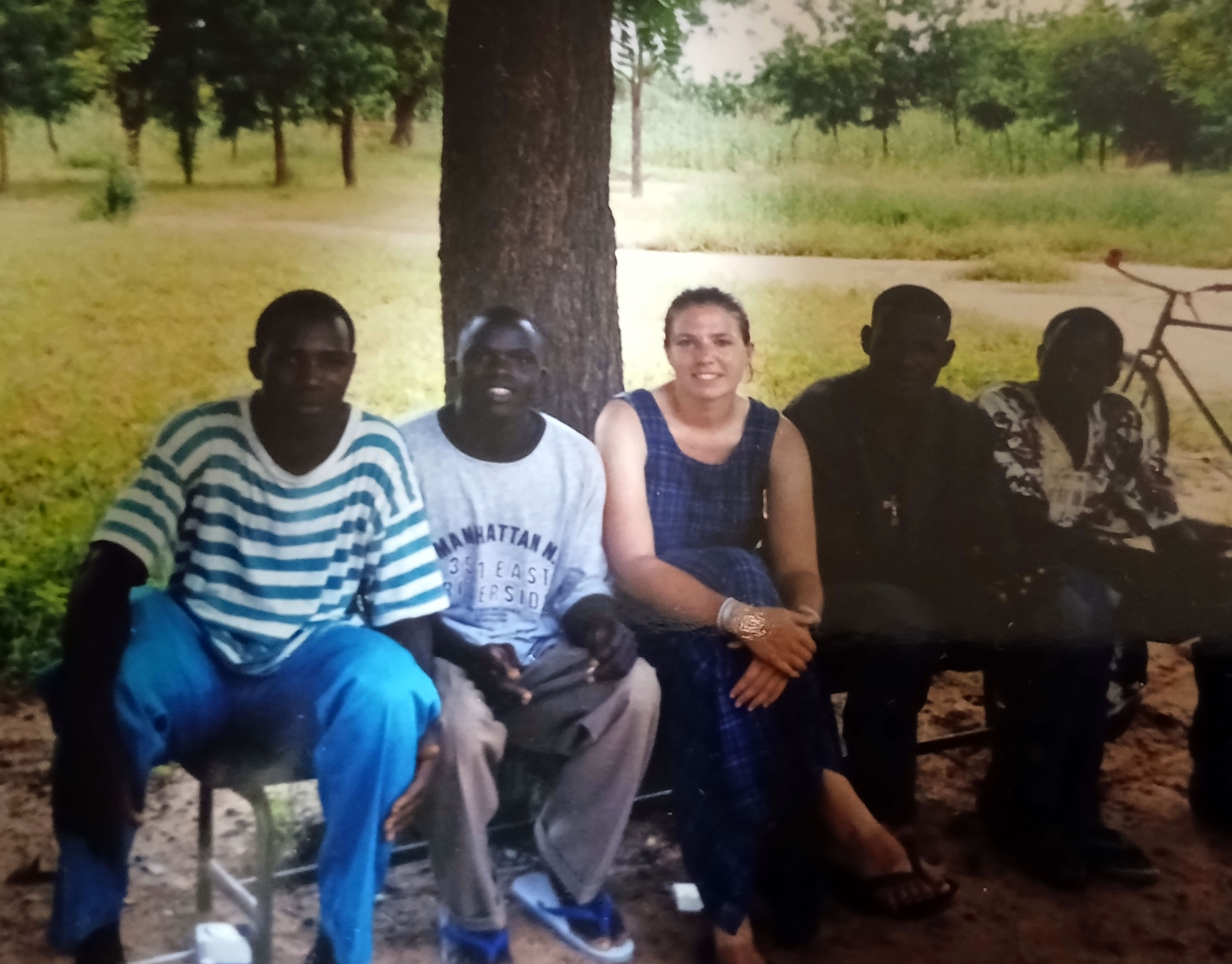
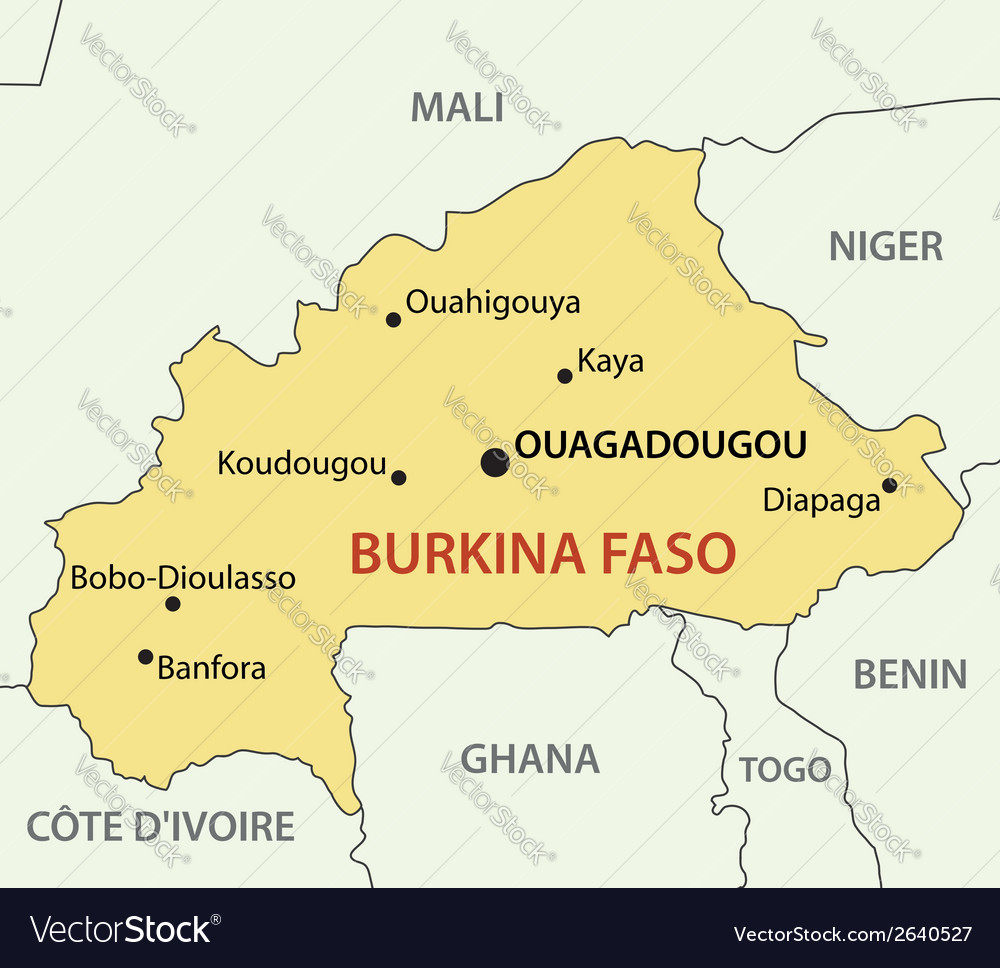
Fast forward to training…we lived with host families in Bobo-Dioulasso during the first three months while we were in country. Cindy and Mia’s family lived fairly close to us (I roomed with Collaine…and fun fact, all four of us are currently Oregonians!), so she became part of my core friend group…which was cemented when we received our village assignments and were both sent to the far northern part of the country. Cindy and I both traveled to the regional center of Ouahigouya to get things like mail and interaction with other volunteers. We spent long hours playing cards, drinking beer, and sweating under the hot hot sun. More to come on the years we were in Burkina Faso, but it was during the first few months of my service that I had decided that I would hike the Appalachian Trail when I was done, and somehow convinced Cindy to hike it with me.
When our time was coming to an end in 2001 and I was still planning to hike the AT in 2002, Cindy convinced me to move up to Wisconsin and spend the fall/winter in Madison as we prepared for the hike. It was an easy sell…I found a job at the university, moved into a group house with some of Cindy’s college friends, and embraced my cheese-head origins for a short while.
How would I characterize this second Wisconsin phase? To start I’d encourage you to play Brian Eno’s Ambiant 1 Music for Airports.
The house I lived in was off of Monroe Street (near the football stadium and Lake Wingra) and was pretty crunchy. What do I mean by that? My housemates listened to records, we didn’t have a TV, they brewed beer and were very wholesome. A record I played over and over and over was Peter’s Ambiant Music for Airports. This became my musical touchpoint for this phase of life.
I got a job in the Department of Landscape Architecture at the University of Wisconsin Madison, and while I didn’t really have a background or much interest in landscape architecture, it was a very Wisconsin department to work in. I ended up really loving the professors and faculty that I worked with, and this is where some seeds were planted in my brain, or the seeds of influence started overlapping. There is a big conservation ethic and history to Wisconsin, and several influential people like Aldo Leopold and John Muir were also cheese-heads.
Leopold was extremely important to the Landscape Architecture department as he experimented with the revolutionary notion of restoring ecosystems damaged by human activity, both on his own land along the Wisconsin River and at the university’s arboretum. In his book, A Sand County Almanac, he weaves science, history, humor, and prose to articulate the bond between people and the natural world with the hope that people would treat the land with love and respect…an ethic and operating principle that I now hold central. I seek to use long-distance hiking as a way to deepen our connection with the natural world. If we can understand that we are a part of nature, and that what happens to the natural world is happening to us, we will act differently.
So this Wisconsin time was fruitful. Ideas and influences were taking root. Philosophies and ethics were germinating, and this whole time was one great meditative and contemplative phase for me. Cindy was living in Milwaukee at the time, and we would meet occasionally to hike and talk about gear (neithor of us really knew what we were doing with the whole hiking/backpacking thing), but we kind of figured some things out that winter. I didn’t know many people in town, so spent many hours walking the city, reading books, visiting coffee shops, and generally flaneuring my way around town.
I didn’t have a lot to do as a student liaison in the Department of Landscape Architecture, so I took it upon myself to find useful projects to keep my brain busy and help out. I decided to redesign their website, so I taught myself web design using Dreamweaver (the platform of the day) and had great fun designing the website after a technical landscape architecture rendering. This was when I started to apply my design skills to whatever I happened to be working on, and credit a lot of my creativity and out-of-the-box thinking to trying to be useful and learn something wherever I happen to be. I also took it upon myself to archive the department’s records, which stretched back decades. I carefully organized and catalogued file box after file box of papers and materials that choked the office. It was a way of keeping myself busy, which was the main goal. There is nothing I hate more than having to pretend to be busy or occupied. I’d much rather give myself a daunting and impossible task than have nothing to do.
All in all, this second phase of Wisconsin life was fairly short and sweet. In the spring of 2002, Cindy and I made our way out east and started hiking the Appalachian Trail…something that obviously has become the passion and obsession of my life.
My April trip back to Wisconsin is going to be a wonderful overlapping of all of these worlds. The nonprofit American Trails puts on an International Trail Summit every two years, and their Executive Director, Mike Passo, happens to call Marshfield, Wisconsin home (Marshfield wasn’t too far from where I grew up). I’ve been getting to know Mike and Candace at American Trails since I started my consulting business two years ago, and gave a webinar presentation through their weekly series right after I started. Give it a watch if you like!
When I started my second business, Intentional Hiking, in the fall of 2023, I hosted American Trails during my launch event and our connections continue to this day as they might take on some of the work I had planned for 2025. More to come on this come, but I’m very grateful for the work American Trails does!
So for all of you Wisconsin people that may read this blog post, like I said in the beginning, if you want to connect while I’m there, please let me know asap and we can try and make something happen.
It’s about time for either another cup of coffee or a green tea, so I’m going to sign off and see about this Monday.
Sleep feels like a wonder drug right now…especially when I don’t get it on a regular basis. And it breaks my heart that so many of you also struggle to get regular sleep! It seems like an epidemic of sorts. My hope for all of you, for us together during this time, is to cultivate better sleep habits…our brains need it, our bodies need it, our communities need it.
Will you do that with me?
What is one action you could take to work towards better sleep?
One that I have been avoiding but seems the simplest to do is to stay in bed until at least 3am. I did not do that today. I woke up several times as usual, but got out of bed at about 1am. If I can stay put and at least try to sleep until 3am (given my usual 7pm bedtime) that would mean I’m giving myself a chance at 8 hours. I pledge to do that the rest of the week. Pinky swear.
So biopsy. I had my deep bone biopsy yesterday at St. Charles Hospital in Bend. I had to get propped up on my stomach so they could take the sample; it was a CT-guided biopsy of the ovoid mixed lytic and sclerotic osseous lesion within the L4 vertebral body….that means they put me through a CT scanner to find the meatiest tumor which happened to be in my back rib. I was awake during all of it, but was pumped full of pain medications, so I felt pressure when the doctor pushed a drill into my bone, but not pain. Very trippy.
The doctors and nurses were most kind, and the world being the magical place that it is, I even had a connection with my recovery nurse when we found out that we had thru-hiker friends in common. Thank you world, you show me support in the most unexpected places!
Lets see, shall we go down memory lane again today? Lets explore the time after my Pacific Crest Trail thru-hike…that hike was so exhilarating and transformative that I decided I needed to find a job outside, somehow related to hiking. No matter that I had just gotten my master’s degree a few years before; I felt a very strong pull to the hiking community and wanted to immerse myself in that world. (Grad school happened at Goldsmiths College in London from 2003-2004 following my Smithsonian internship and will be a story for another day).
I finished the PCT on September 20 with Nemo and Pouch, and returned to Portland to figure out what the heck I would do next.
A triumphant She-ra at the PCT border monument.One of the best things about hiking the PCT in 2006 was meeting NEMO.Pouch and NEMO fell in love on the PCT and now are married and live on a farm in upstate NY!They are some of my best friends to this day.
This seems like a good place to tease my own PCT photo montage video that I made. This one isn’t as long as the class of 2006 one that Pro-Deal made, but at 45 minutes, it’s a commitment!
When I returned to Portland after the trail I found a new place to live…before the PCT I had been living in a group house in SE Portland on 44th and Lincoln (near Mt. Tabor), and this time I found another room to rent up in NE near the Lloyd Center. I didn’t go back to my graphic design job, and instead worked as a metal roofer for a few months.
I know! Random, right? Metal roofing? What the heck?
I became good friends with several other Portland hikers while we were hiking the trail that year, and it seemed like a good temporary job to work with them for the winter on metal roofs. In retrospect, metal roofing in the cold/wet/gray/rainy season of the Willamette Valley in Oregon wasn’t a brilliant move, but because I was working with friends, it was a pretty fun winter gig.
Luigi and Lint and I had spent some good time on the trail together that year; and as for the job, most days we carpooled together down to a Portland suburb to work. I didn’t know what the heck I was doing, but I am pretty good at following directions so was able to figure it out and do a passable job. A kayaker friend of a friend owned the business, and there was a whole group of us hikers/kayakers who worked together.
Those few months in Portland were so much fun. We were big bike nerds then and got into the whole bike-punk, zoo-bomb scene, which basically meant we rode kids bikes and tall bikes around town; we went on midnight mystery bike rides and got into a whole bunch of other shenanigans. Too much fun!
Here are some more pics from that time…
So during this time I was also trying to figure out what a job in the outdoors meant, and how I would get one. Another friend I made on the trail that year was Jack “Union” Haskel, who ended up being a pretty big influence on my next few career moves. I learned that getting certified as a Wilderness First Responder would help me get a job in the outdoor industry, so that winter I took the 80-hour course so I could be qualified to lead trips in the outdoors.
We also decided to apply to be the Backpacker Magazine’s Get Out More team, which would have meant traveling the country in 2007 and talking to people about hiking and camping and all things backpacking. We didn’t get the gig, but I started applying my graphic design and writing skills to outdoor work, which is still a big part of what I do today.
I designed our Get Out More Team Application to look like pages from Backpacker Magazine.
I applied for a bunch of seasonal jobs for the 2007 season, and finally got some traction with the Southwest Conservation Corps (SCC) which was based out of Durango, Colorado. Trail work was another side of the trail community that seemed essential to the thru-hiking world, so I found an Americorps program where I could train to become a trail crew leader with SCC and then lead trail maintenance crews around Colorado that year. I knew I was in the right place at the right time when I had my interview and learned that SCC had just hired a new Executive Director, Nelson Cronyn, who just happened to be my Peace Corps Burkina Faso Country Director! What a small world is that!?!?!
I left Portland in February of 2007 to head down to Durango for a few months of crew leader training, and jumped in head-first to the trail maintenance world.
Of course I met some amazing people down there, and folks who I am happy to still call friends today.
In fact, Amber is coming to visit me TODAY!
Amber and I led a group of tribal youth in a front-country hitch in Colorado that year, and have remained friends ever since. She now lives in Corvallis, Oregon with her wife Anne…You may remember I just mentioned Amber in a recent blog post, we hiked the Corvallis to Sea Trail together a few years ago. Amber still puts her trail work to good use and has been instrumental in keeping the C2C trail clear of logs…she is great on the chain saw!
Amber, me, Laurie, Nicole, Jonah, Artec & Carith (one of our leaders) in the Great Sand Dunes.Amber has skills.
Learning how trails are built and maintained has been core to how I’ve progressed in my career and as a hiker, and my time at the Southwest Conservation Corps was elemental in that journey. Over the next seven months we worked in places like Canyon of the Ancients, Mesa Verde, and the Great Sand Dunes; there were hitches in state parks and on backcountry trails; and I learned how to build massive rock and log retaining walls, cut down trees with hand tools and chain saws, and so much more.
All the time I was working around Colorado that year, the promise of the next trail I would hike was always hovering in the background. Durango happens to be the southern terminus of the Colorado Trail, and overlaps with quite a bit of the Continental Divide Trail too.
I decided to do a solo thru-hike of the Colorado Trail that fall and hiked out of Durango in mid-August and walked up to Denver (some 500ish miles) by the end of September.
You can read all about that hike on trail journals here:
First of all, thank you so much for all of your sleep suggestions, advice, tips, etc. The last few nights have been much better, I’ve been clocking in at 5 or 6 hours of sleep which is a huge improvement over last week, and have implemented a few new things after talking to some of you and my doctors:
Using sleep stories on platforms like Calm and Headspace. These are brilliant. I start a story and get invested. I listened to one last night about Mont Saint-Michele in France, a place I’ve always wanted to go since learning more about France in high school french classes, and the initial details really captivated me and brought me in, but as the story progressed maybe the details got more mundane, or I was getting lulled by the voice, but I don’t remember…cause it worked! I fell asleep. I think these sleep stories will be key for me coming up, especially if I am waking every few hours…which after talking with a lot of you seems very common! We collectively have trouble sleeping solid nights.
More meds. A lot of you suggested THC/CBD products, and some of you told me about other medications. I met with my palliative care doc this week and we talked about sleep, and we decided to try trazodone for a while. I don’t like taking meds, before all of this cancer stuff I almost never took medications and preferred a natural way if at all possible, but given I’m on 437 different meds now I’ve kind of given in and will try the pharmaceutical way for now.
Limit screen time. I was in the habit of picking up my phone when I would wake every few hours, to check the time, first, but then I would start scrolling. Which is all new for me, again before cancer I didn’t sleep with my phone in the room. So many things have changed with how I live my life now! I didn’t have my phone in the room, so would have to get up when the alarm went off in the mornings, and didn’t have the temptation to scroll. If I needed to get sleepy in the before times, I would read a few pages of a book and that would put me out. I don’t have that problem at least because of the HUSO sound therapy. I listen to that when it’s bedtime and I’m out. So anyway, I haven’t been picking up the phone as much, and I think that’s been helping.
What have I been up to this week? I don’t know, the days seem to melt into each other and it’s hard to determine what day is what. But I do have a big day coming up tomorrow, I get another biopsy! The two I had done in December ended up being useless, at least for what we need to know now about my genetic mutation, so I am doing it all over again tomorrow. I get a deep bone biopsy and it’s a legit procedure, so no food tomorrow and only clear liquids.
We are going with Foundation One testing, and the biopsy tomorrow combined with the blood draw I had last week should tell us what we need to know! So of course lets look into this Foundation One:
The company says they are an essential partner to patients, physicians, researchers, and biopharma organizations navigating the complex landscape of cancer care. Their genomic insights help guide informed decisions about treatment plans and research priorities. They built a powerful portfolio of comprehensive genomic profiling (CGP) tests that—via both blood and tissue samples—evaluate more than 300 genes known to drive cancer.
Liquid CDx: I had the labs drawn last week, and apparently this test is an FDA-approved companion diagnostic that analyzes guideline-recommended genes from a simple blood draw. It analyzes over 300 genes—making it the most comprehensive FDA-approved liquid biopsy on the market. Sounds good to me!
I believe the biopsy tissue sample will also be sent to Foundation One, and they will put it through their fancy-schmancy testing system to give us an even better picture of what the heck I’m dealing with.
So hopefully we’ll know more soon (I’m not sure what soon means…weeks? A month?) about the specific mutation(s) I have and what kinds of treatments are available for it.
I’m also going to get another radiation blast to my ribs…my ribs have been achy with the tumors and slight fracture I have going on in one of them, so we’re going to hit it again next week right before my third round of chemo.
I’m telling you, its a full time job to have cancer.
What else do I have going on? The hospital provides Reiki, so I’m doing some of that. My PT is coming over this week, so we’ll go over exercises now that I’m out of the wheelchair and walking around the house. I did a lot of walking yesterday at the hospital trying to get some labs done, and it felt good, and I’m a little sore today. It’s been super mild outside in Bend, so I think I’ll try some outside time here soon. I’m trying not to go too hard too fast, yesterday was quite exhausting by the time we finally got home. It’s going to take me a while to get back into walking outside every day condition again, but it’s on the horizon!
Lets go to intermission
Are you an Oregonian who loves hiking?
As many of you know, I enjoy hiking so much that I’ve become much more active in joining in with other trail advocates around the state to share our love of trails and strategize how we can work together to defend our current trails and build the trails we envision.
YOU CAN JOIN US TOO by registering today for Trails Day at the Oregon Capitol on March 10.
8:30-9:00 am: Attendees arrive at our training venue about a half mile from the capitol to sign in and pick up up a schedule, training materials and talking points, and materials to share with legislators. (There will be coffee and light snacks!)
9:00-10:30: Welcome and training: We’ll let attendees know what to expect, go over tips for a productive meeting with your legislators, and give a primer on our key issues.
10:30-11:00: Small group practice and Q&A.
11:00-4:30: Grab a (free) sack lunch and head to the Capitol for meetings with legislators and/or legislative office staff. Expect to have 2-4 small group meetings (generally 15 minutes) scheduled during the afternoon. We’ll ask each meeting group to share a short meeting report so we can track support for our issues and respond to any questions that legislators or staff may have. (You don’t have to have all the answers!)
5:00-6:30: (Optional) Join a group of trails advocates at the Joint Committee on Transportation Meeting. (We don’t yet know if there will be a public comment opportunity during this meeting, but it’s a great opportunity to see a bit of the legislative process at work.)
4:00-7:00: (Optional) As you wrap up your meetings, join other trails day participants for camaraderie, an informal debrief, and a bite at a local watering hole before heading home!
What are we asking for? Our platform is straightforward!
Oregonians love trails! More than 80% of Oregonians use local trails and are happier, healthier and more connected to their communities because of it.
Oregonians want to keep our trails open! We’re working toward a lasting legislative fix to recreational immunity through passage of SB 179 with amendments.
Oregonians want alternatives to walking, biking, running, and skating on high-traffic roadways! We must address the funding shortfall for the Oregon Community Paths program as part of a safe, green, fairly-funded transportation funding measure.
Oregonians want to see beloved trail projects move forward! We must continue to build on recent planning efforts for Oregon Signature Trails like the Salmonberry Trail and Oregon Coast Trail and not let those plans gather dust on a shelf.
Oregonians love trails! More than 80% of Oregonians report using local trails, so of course we want our state legislators to partner in the work to keep trails open and build the trails we envision for our communities.
I don’t know if I’ll be able to be (game time decision?) in Salem on March 10, which is why I’d like to ask you to consider going on my behalf!
I went last year and many of us were learning to speak up and have meetings with our electeds for the first time. It wasn’t that scary! I wrote up a blog post about how it all went last year so you can give it a read and decide if this is something you would like to participate in. You don’t need to be affiliated with a trails group, and you don’t need to be a hiker! The Oregon Trails Coalition represents motorized and non-motorized trail users, and there are lots of issues we can combine our voices on together.
Early this morning I got an email from Mark Trails (one of my CDT hiking buddies) with a photo that brought back a flood of memories.
Instead of rehashing these first few days going into Colorado with Mark, trying to ski the trail, and getting spit out, I’m going to redirect you to my blog posts from those days to help tell the story of one of the hardest weeks of my life on the trail.
Here are a series of links to my blog that will explain everything:
That was a good chapter of the CDT, things got a bit easier from there, actually did they? No, they didn’t.
Mark Trails and I went low again, he had a scary fall when we headed back to the trail from Creed. I lit myself on fire and had to walk with 3rd degree burns to Salida, and wow, I guess the brutality didn’t end at Durango. Keep reading my blog to get all the deets!! (at the bottom of each day’s blog post will be a link to the next day)
It’s hard not to do a deep dive into a past life when friends send you cards, videos, and memorabilia from old adventures. I’ve been reliving so many of these lives this year that it has brought a real vivaciousness to what can sometimes be old and stale memories.
A wellspring that keeps on giving is my Pacific Crest Trail thru-hike in 2006. When anyone asks what my favorite trail is, it’s hard to keep from gushing all over the PCT that year. And I say THAT YEAR. Every year on a long trail can have an entirely different vibe and flavor. Much of that can be determined by the weather, and the specific hazards of that year, but for me it almost always comes down to the people.
The people in 2006 are what made the trail so special for me, and judging by the number of folks I’m still connected to from that hike 19 years ago, I was not alone in basking in the afterglow of humanity we met that year. We were bonded by something that year. It could have been record level snows in the Sierra that forced us to hike in groups and look out for each other at hazard points. It could be that we were hiking before GPS and smartphones, so again, had to dig deep, read the terrain, and help those who weren’t as familiar with navigation (Note: that was me! I learned so much from my fellow hikers about reading maps and terrain that year…and I’m a much different hiker for it!). It could have been the fire that closed the Canadian border to us until right at the end when it opened again. It could have been so many things.
So, you might indulge me in this blog post because I’m going to go deep. What was it like to hike 2,663 miles from the Mexican to the Canadian border?
This photo will help kick us off:
This is a little of the flavor I brought to the trail that year. I think the flavor was “CRAZY”.
How about some backstory?
My real initiation into the thru-hiking life began four years prior when I thru-hiked the Appalachian Trail in 2002 (another story for another day). Suffice to say, I was hooking on the walk all day everyday thing, and knew that I wanted to keep my nomadic nature alive in the future, but wasn’t sure how or when.
After the Appalachian Trail, I had committed myself to figuring out the whole career thing. Shortly after finishing the AT and returning home to my parent’s house in Peoria, Illinois, I found myself stitching together a series of jobs to make ends meet. I made coffee drinks and slung pastries at Panera and was a cashier at Kohls, I can’t even remember the other odd jobs I had during those months at home, but they were the kind of jobs where I would occasionally run into old classmates from Dunlap High School or Bradley Univerisity and try to decide if I would hide and try to escape notice, or embrace it and tell them my story. That I was working there because I was between adventures (having just finished two years in the Peace Corps and a thru-hike of the Appalachian Trail), as a way of explaining why I was buttering their bagel, but it really served to push me to figure out the next thing. No offense to buttered bagels. Love them.
I was an english major and graphic design minor in college, and LOVED design and information. Information design. I wasn’t quite sure what that could or would look like, but I knew I wasn’t interested in the traditional career options of advertising or PR like many of my Bradley classmates. I wanted something different, something that made a difference in the world, something exciting.
During the months at home, I was scouring the internet for internship ideas and hit on one in Washington DC at the Smithsonian. They needed an exhibition design intern for the National Portrait Gallery. Interestingly enough, I had been thinking a lot about exhibition design as a career choice. As an exhibition designer I would be concerned with how a person would interact with a three-dimensional space, how I could tell a story or relay information within that three-dimensional space that would inspire, educate, inform, excite, etc., so I applied to the internship and promptly continued buttering bagels. I mean, the chances of landing an unpaid dream-gig like that halfway across the country seemed like a pipe dream.
Nothing much was happening in the way of job prospects that winter, so I made plans with my AT hiking buddy, Cindy, to move out to Portland Oregon, and try life out there. I knew that I wanted to hike the Pacific Crest Trail and I figured at least moving out west would bring that step a bit closer. I would have to get a job for a while to save up money and establish myself, but Portland seemed like a solid decision.
Come January 2003, I was two weeks away from my Portland move when I got a piece of mail from the National Portrait Gallery. I got the internship!!!
My first I thought no way, too late. I already had my plane ticket to Portland, I had a place to stay until I could find a long-term rental and there were just too many things in motion to pick up and change directions so suddenly.
Then I woke up. I mean, come on!! Miss this opportunity??? No way. I changed plans, accepted the position, and threw my future into the wind. I was moving to DC, baby!
Fortunately, I had a number of friends from the Peace Corps who lived in DC, and I was able to couch hop for a while until I found a room to rent up on Wisconsin Avenue by American Univesity. And what a room! For the tidy sum of $525 a month, I had a walk-through room in a big group house. A walk-through meant my roommate had to walk through my room to get to hers. This whole set-up was very college-ageish temporary. I had a mattress on the floor, no furniture, and no privacy. It was all good. My internship was 30-hours a week, and I had to get a job so I could afford to live there, so I worked approximately 30 hours a week at Armond’s Pizza around the corner…I was barely there anyway. BUT my housemates were all pretty rad. They were a very diverse bunch, one worked for the Fullbright program, several were in grad school, and several I just can’t even remember. We lived in a pretty nice neighborhood up on Wisconsin Avenue, and I got to know the surrounding neighborhoods really well as I walked and walked and walked them. If you didn’t know, I like to walk, and one of the the best ways to get to know a new city (especially if you are a broke 20-something) is to walk everywhere, and I did.
For work every day I would hop in the metro and take the train down to the middle of DC. I was officially the exhibition design and production intern and an intern at Center for Electronic Research & Outreach Services at the National Portrait Gallery. The two teams split my time in half. And for all of you who vaguely know that the Smithsonian is a big museum in DC, it’s actually a collection of big museums in DC.
The Smithsonian Institution is the world’s largest museum, education, and research complex, with 21 museums, 14 education and research centers, and the National Zoo. I was going to be working at just one of the museums, and it didn’t even have a physical space while I was there.
The National Portrait Gallery had recently decided to relocate to the old Patient office. The building was undergoing renovations (I got to take several tours of the gutted building while I was there; one of the big to-dos happened when they found some civil-war era graffiti on the wall from when the building served as a hospital for wounded civil-war soldiers. That’s pretty cool!)
The National Portrait Gallery was going to share the space with the Smithsonian American Art Museum, and it was all a very exciting time; the museum directors were in the middle of re-thinking and re-imagining what these museums would look like. Think about one exhibit that might be shown there: perhaps a permanent collection like the Hall of Presidents. I got to sit in on conversations that discussed things like: Would we hang their portraits at eye level with the public, which would make for a much more humanizing view into the leaders of our country? Or should they be hung up where we had to look up to them, venerate them, celebrate them? What kind of objects would we place next to their portraits? What colors would we use? How much and what information would be on each label next to each piece of art? These decisions were far beyond my intern position, but it was endlessly fascinating to think about…and these were questions that would be at the center of each exhibition that I would be involved with. It was so exciting!
And here you thought you’d be learning more about my Pacific Crest Trail hike, it just goes to show you where 3am brain goes! (BTW, I had a WONDERFUL night of sleep last night. I almost got in a solid 6 hours! #winning, so I think I’m firing on all cylinders today…or most of them anyway)
My main point of contact for the exhibition position was Caroline. And Caroline was amazing. She was the museum’s graphic designer and was in charge of all things graphics for the museum. She really took me under her wing and made sure my internship was so much more than hanging one exhibit while I was there. We took tours of all the museums, often to the collection areas where a vast array of objects never get displayed to the public. Check this out:
The Smithsonian Institution—the world’s largest museum and research complex—includes 19 museums and galleries and the National Zoological Park. Currently, the total number of artifacts, works of art and natural science specimens in the Smithsonian’s collections is approximately 155 million. The bulk of this material—more than 145.8 million specimens and objects—is part of the National Museum of Natural History. In addition, Smithsonian collections include 162,000 cubic feet of archival material and 2.1 million library volumes.
Among the vast collections are irreplaceable national icons, examples of everyday life and scientific material vital to the study of the world’s scientific and cultural heritage. The objects in Smithsonian collections range from insects and meteorites to locomotives and spacecraft. The scope is staggering—from a magnificent collection of ancient Chinese bronzes to the Star-Spangled Banner; from a 3.5 billion-year-old fossil to the space shuttle Discovery; from the ruby slippers featured in The Wizard of Oz to presidential paintings and memorabilia. Collection items vary in size, from the Concorde at 202 feet to the Fairfly wasp at .0067 of an inch. The largest single collection is Natural History’s invertebrate zoology collection with more than 49.8 million specimens, ranging from corals and vent worms to parasites and squid.
Only a small portion of the Smithsonian’s collections (estimated at less than 1%) is on display in the museums at any given time. Many collections are acquired and solely used for research purposes utilized by scientists and scholars from all over the world. Whether they are acquired from the depths of the oceans, tropical rainforests, archaeological sites, everyday life, or even extra-terrestrially, Smithsonian collections are preserved and maintained for public exhibition, education, and study.
And I nerded out on all of it. Moving to DC was one of the best decisions I made during this time of my life, and working at the Smithsonian helped me decide to apply to grad school in museum exhibition design. DC helped me go all in on information design.
So what did I do for my internship? Well, because we didn’t have a physical museum to work in, Caroline and the curators worked on getting a temporary gallery space to hang A Portrait of the Art World exhibit. We exhibited at the S. Dillon Ripley Center which was notable for the underground building’s copper-domed entrance between the “Castle” and the Freer Gallery of the National Museum of Asian Art. The Ripley Center also connects to the African Art Museum and the Sackler Gallery of the National Museum of Asian Art.
The exhibition consisted of 100 original vintage prints of photographs reproduced in the ARTnews magazine since it began publication as Hyde’s Weekly Art News in 1902. Included were portraits of both European and American artists by a cross-section of such noted photographers as Zaida Ben-Yusuf, Alice Boughton, Hans Namuth, and Richard Avedon.
I worked with Caroline and the other exhibition designers on the show, as they decided on colors, labels, label content, label style, label fonts, brochures, exhibition signage, exhibition press, and one of my favorite parts of the job, directing the museum’s cabinet maker in making stands, cases, walls, and pretty much any kind of furniture or display element that would be used in the show.
I got to spend hours with David in his cabinet shop, and I loved it. This guy could make anything. He had an amazing array of skills and tools and could take Caroline and the other’s vision for a display case and make it come alive. David also initiated me into the world of packing and unpacking the priceless works of art. I told you that each museum has an extensive collection of objects, and the exhibits throughout the year will pull from these collections to tell the story the curators decide to tell for each show. This means extensive and impressive systems for storing and preserving the art. Because we were a portrait gallery, there were thousands and thousands of portraits in collections, and each one of those portraits had to be packed and crated (and uncrated) when it was time to hang a show. One day David gave me a power drill and instructed me to open a Roy Lichtenstein painting. Oh boy, my hands shook, and I gladly handed over the drill once I got the first few screws out. I didn’t want to be responsible for a slight slip of the hand that could have massive implications for the painting.
I felt like I was operating on a different level the whole time I was in DC. I was doing it. I was there. This was exciting and important.
One of the fun projects Caroline had me working on was to come up with a series of swag that could be sold in gift shops that would commemorate some of the paintings from the ArtNews exhibition. Now in the real world these swag items had been designed and put into production months and months ago. For example, in the Smithsonian gift shop, you might be able to buy a silk scarf that carries a motif from one of the paintings on display in the exhibition. Just coming up with the design is one thing, then a vendor and production facility would have to be found, a display created, and just like the show was a curated affair, so is the gift shop. Each exhibition has a carefully selected set of note cards, gift items, memorabilia, and more to commemorate the exhibit. Caroline’s project for me was more of a fun assignment than a real-life opportunity, but I had so much fun with it. I came up with a bunch of different designs based on some of the paintings in the show…and I still have the project as an item in my portfolio. (remember those? Artists types had actual portfolios with pieces of work they had done over the years?)
So Caroline and I had great fun with graphics and hanging the show, but that was just half of my job. I reported to the other side of the building in the afternoons where I worked with Linda Thrift to help digitize portraits of the presidents. At the time I was part of an effort to build the Catalog of American Portraits. The goal of CAP was to build a body of information about portraits of “historically important figures” in collections everywhere, public and private, using a team of researchers who would photograph, measure, and record available information on a portrait-by-portrait basis.
What this meant for my day-to-day was hours and hours of photoshop work, and I primarily digitized photos of President George Washington. The museum had staff that would get to do the fun stuff, like track down said portraits (many were well known, but many others surfaced over the years….how many portraits of George Washington are out there? Thousands).
I scanned in the physical photos of each portrait and photoshopped each image so it would be color-corrected, cropped, scaled, made to fit within the digital container of the CAP system. It wasn’t the sexiest job in the world, but I often got to put my headphones on and photoshop the afternoon away. I had great fun getting to know the others who worked on the project, one of my favorites being Warren Perry who was a wonderful excentric who brought life and color to the room. I went back to look for some email exchanges with Warren and my search uncovered this little tidbit that gives him a bit more color: “I am writing a play as part of the NPG public programming for the re-opening and it is based on Walt Whitman’s time there as a nurse.” I mean, how fun and cool is that?
All in all my time at the Smithsonian was quite short. I applied to grad school while I was working there, and narrowed down my choices to about 5 schools, only 2 of which accepted me for the fall of 2003: The Univesity of the Arts in Philadelphia, and Goldsmiths College in London. Guess which one I chose? When I learned that I could get federal loans to go to school abroad and that their grad program was about half as expensive and could be completed in just over a calendar year compared to the University of the Arts’s 2-year program, it was a fairly easy decision. And my boyfriend at the time was living in London going to the London School of Economics, so that was a point in favor of moving overseas.
I wrapped up my time at the National Portrait Gallery by that August and was flying across the pond for the fall semester later that month. My time in DC though, really helped cement in my mind that I could do anything I wanted, and it was worth going for gold. It was worth putting in for the job I might not get, or the grad school application that might not get accepted. What if I did get the job and I was accepted? What then?
I’ve been living in the space of what is possible for years now. And it’s a good place to be. Imagine big, go big, deliver big, and you will be handsomely rewarded for your efforts. Oh, and make friends along the way. I can still touch base with many of these folks I worked with in DC all these years later and share stories and a laugh. People make all of these experiences and adventures truly come alive.
Well here I am and there was more I wanted to tell you about my DC experience…the Armond’s Pizza chapter of my life was a whole other world into itself! And then grad school…that all comes before my Pacific Crest Trail hike, in addition to the year I worked in Portland as a graphic designer…so I guess those adventures will be chronicled in other blog posts in the coming days and months. Did I know I would be writing my life story in these cancer updates to you? No, but it’s quite fun and I think I’ll continue as long as you all are enjoying it.
Are you? Should I keep going?
I think I’ll wrap it up for this installment, but not before giving you a big ‘ol gift from the Pacific Crest Trail class of 2006.
Back in the day when there weren’t that many of us ni the trail one hiker would often solicit photos from that year’s batch of hikers and put together a “class video.”. In 2006 that hiker was Pro Deal. Pro Deal (or Ryan Christensen) was a park ranger in Yosemite and a digital video guru who has brought many other excellent film projects to life (like this one called We Are Grand Canyon).
The PCT 2006 film is a doozy! Get yourself a bowl of popcorn, put on your cozy jammies, and immerse yourself in an hour and a half of hiker joy. It’s worth it!
In lieu of another cancer update this morning, I’m going to repost something I just shared over on my Facebook page:
Thanks for the pic Mark Trails! Mark and I had a great stay at Ghost Ranch along the CDT in New Mexico (click for day 32 of my CDT hike here), and I got to take a side trip into Santa Fe to hang out with Extreme Alan (Alan Scott) for a few days too!
Hard to believe this was 10 years ago.
And I’m glad for the memory because there is ALOT of uncertainty and chaos around how our trails and public lands are going to be managed this year.
This week the Continental Divide Trail Coalition is heading to Washington DC with the Partnership for the National Trails System and American Hiking Society to speak to congress on our behalf. These organizations are celebrating their 28th year of Hike the Hill, a joint effort to bring together the trails community to advance shared trail priorities with congressional and federal agency leaders.
They will be advocating for trails funding, public lands management and conservation, equitable access, and other top priority issues that sustain trails and improve access to public lands.
THIS YEAR the trails community faces a sense of urgency unlike any seen in recent years as a new administration and Congress look to reshape the federal government and funding.
It is paramount that the trails community’s voice is heard by attending in-person or if unable to come to DC, to meet locally with district staff to form or strengthen key relationships and demonstrate the importance and value of trails.
A cold night on the Blue Mountains Trail….probably about 3am, writing and drinking coffee as I tend to do!
Good morning folks.
It’s 2:02 am and I’m officially asking for your sleep advice.
Any and all suggestions are welcome!
Please provide:
Tips for falling asleep in the first place
Tips for staying asleep
Tips for getting back to sleep once I wake up
Foods that will help?
Rituals that will help?
What are the sounds/music/podcasts that will help?
Meds that will help?
Meditations/breathing that will help?
Lay it on me.
I’ve come to this pattern in my sleepless nights where I look forward to the dark and early hours when my brain has had 3-4 hours of sleep and I can get in some good reading or writing time. The house is quiet and I can indulge in having hours by myself to play.
I know a part of getting past this sleep interruption and into a solid 8-hour REM cycle will be interrupting this enjoyable part of my day, which may be tricky to do.
Are there other ways to go about it? Maybe I sleep for 4 hours, get up for 4, and go back for 4? I tried to go back to sleep yesterday morning for a few hours, but only lasted about an hour and never really fell asleep again. Just lay there and rested with my eyes closed.
I’ve been focusing on sleep for the past few days. Well, my focus is on getting more sleep – whether that is actually happening is debatable. My routine: At about 7 or 8pm I take my evening meds (some of which include sleep aids….much more on medication today, I’ve decided to go into a deep dive on the pills. What am I even taking??).
I put on my Husco wrist and ankle bands, my over-the-ear-headphones, plug them into my phone, and choose a sound/vibration sequence to fall asleep to. My options include (Wow, I had no idea there were this many until I typed them all out):
Stillness – Helps you quiet unwanted noise in your head
Relief – Aids inthe alleviation of pain and discomfort on a physical level
Ancestral – Awakens Ancestral memories held in your DNA
Integrate – Balances and harmonizes body, mind and spirit
Expand – Opens up the mind gate to higher consciousness and meditative states
Safety – Allows for comfort and release of fear
Calm – Deeply relaxes you so that you sleep soundly and wake up rested
Heal – Relaxes your energy centers and releases built-up anxiety
Serenity – Quiets the mind so that you remain completely awake and sharply aware
Regulate – Helps bring body systems back into balance after trauma, shock or stress
Vitality – Revitalizes what has been depleted in body mind or spirit
Peace – Creates calm in the midst of chaos and agitation
Ground – Brings you back into your body and anchors your energy to the earth
Tranquility – Soothes jangled nerves, transforming anger and frustration into inner stillness
Focus – Allows for easier access to problem-solving and synthesis of new material
Comfort – Gently washes away worry and soothes emotional grief states
Mystica – Reawakens magic and reconnects to primal memory
Release – Facilitates access to memories and resolution of deep-rooted issues
Harmonize – Synchronizes what is out of sync in body, mind or spirit
Clarity – Uncluttered the mind, quiets random thoughts and opens the door to inspiration
Free – Transcends feelings of entrapment and helplessness
Renew – Resources what is out of balance due to illness, stress or trauma
Oceana – Facilitates connection to life’s mystery and your fluid nature
Elevate – Frees your mind and spirit to soar
Opening – Increases mental perception and expands the body’s energy centers
Create – Stimulates and expands the creative flow
Rejuvenate – Stimulates the life force to enable cell repair and regeneration
Soothe – Reduces fear and anxious thoughts
Bliss – Opens the heart and mind to love and well-being
Awake – Brings body and mind back to a state of alertness
Transcend – Opens the mind to realities beyond the collective consciousness
Balance – Harmonizes yin (feminine) and yang (masculine) energies to create a sense of equilibrium
Nurture – Connects you to feelings of safety and warmth, generating a sense of support and well-being
Relax – Alleviates extreme stress and anxiety while deeply relaxing mind and body
It has become a ritual to get ready for bed this way:
I get all snug under the covers,
sometimes put my bed into zero-gravity mode (feet above head – I play with the sleep settings quite a bit, but I do like my legs elevated most nights),
take my neck brace off,
fluff a down pillow behind my head,
lay back,
put on the earphones,
Cover my eyes with a lavender-sented eye pillow that Carrie made for me years ago,
turn off the lights,
And pick one of the vibration experiences to start with. I usually choose a 30-minute sequence and often fall asleep before it finishes. Everyone once in a while I stay away through the full session and will pick another.
About two hours later my bladder wakes me up. I have a new pee-device that I can use when I wake up! This is a new addition to my cart this week. It fairs much better with my middle-of-the-night aim than the psytle did.
About this time I tend to hop on a device and scroll for a while (I know, I know…big that’s a big no-no for sleep interruption), then I’ll queue up a podcast or two, swap my over-the-ear headphones for some earbuds and sink back into the bed to have someone talk at me for the next hour or two. Often I’ll fall asleep, but sometimes I hang in there and listen to the episodes.
That might take me to midnight or 1am. After talking with one of my docs last week I decided to play with sleep meds this week. I’ve been deferring my 10mg of melatonin for a few hours, and instead of taking it at 7pm will take it one of the first few times I wake up. So far I haven’t noticed that helps much.
I know my meds are messing with my natural rhythms quite a bit, that’s why I want to do a deep dive into all of them tonight. But to be honest, I wasn’t sleeping well for MONTHS before my diagnosis. I was quite haggard, and my neck was a real problem.
Well, my ribs were too. Laying myself down and then sitting up last fall was a major chore. When I needed to set up I would roll over to my left shoulder and brace my arms on the wall (my bed was close enough to the wall that I could get some traction on it), I would brace my legs off the left side of the bed, and squeeze my abs enough so that I could evenly transfer the weight between my arms/shoulders, abs, and legs to lift myself to a sitting position. It didn’t always work out well and I might get a spasm out of the movements. Then I would scoot myself to the end of the bed to brace my legs again and hang onto the wall to stand up. I’m glad it’s not that much of a production anymore. The pain in my neck and back prevented me from getting good sleep pretty much up until my surgery in December.
And I haven’t even told you about my pillow fiascos! As you may remember, part of my thinking this past fall was that I was sleeping on my neck wrong, and perhaps everything could be solved if I could just find the right pillow to make things write. I started with a TEMPUR-Cloud Adjustable Pillow. It had removal filling so I could try and move the material around to find just the right scoop of the neck so that the meat of my head would rest a little lower than my neck…I spent alot of time looking into the placement of the neck and shoulders into alignment when I was sleeping. I am usually a side sleeper too (both sides please)! But with my intercostal injuries, I couldn’t lay on my left side; and on infrequent occasions, I would be able to find comfort sleeping on my right shoulder for a few hours before inevitably returning to my back position.
The problem with the Tempur pillow was that I was the one doing the adjusting and scooping out of filling. I had Kirk take a tape measure to my back to see if I could work on getting that alignment right, but I just didn’t trust that my efforts were working, and my neck still hurt, so I quickly abandoned that.
I had been seeing a Physical Therapist during this time, so I talked about pillow placement with them and ended up buying a version they sold at the clinic to try out. I figured they knew, right?
It ended up looking something like this:
I slept ok on it for a while, but by the middle of the night/morning, my shoulders would ache so bad that it would take hours of a heating pad in the morning to ease the pain so that I could feel an inkling of normality. And normality was in short supply this fall. I also think the bed we were sleeping on was too soft, and I was sinking into the mattress a bit too much, which was janking up my neck height too.
We needed a new bed for a long time before this, but putting an investment of a $5,000-$8,000 bed into the budget last fall just wasn’t going to happen. So I continued to suck it up and sleep poorly.
That’s about it for the pillow antics. Again, everything changed when I got to Louisiana and had surgery. My reasons for not sleeping now are less neck pain, than awareness and letting my brain turn on instead of keeping it dark and sluggish in the early morning hours. And maybe some pain.
Back to this week:
The big news is that I have started walking! Soooo, the next phase of cancer-independence has begun! I didn’t rush into it this week. Wednesday was the day, but I started like most of the others with my 6am med cycle. Kirk made me a coffee, and I putzed around on the computer for a while before deciding to get up. The only thing we had on our agenda that day was a 2:30 blood draw for my genetic testing (finally! I got the blood drawn, and will have another full biopsy next week).
Mid-morning I asked Kirk to get the walker out. His work buddy Greg gave us a walker to use along with a lot of other medical items that he had on hand for his Mom when she needed them. The walker was brand new, cherry red, and featured a platform where I could carry stuff or sit on should I get to the middle of the room and suddenly get tired.
Walking didn’t feel as weird as I might have thought; I lost count of the weeks I hadn’t been walking, but standing up next to those handlebars felt natural, and the steps came easily. I walked around the house and immediately started tidying things up. Ha, it’s hard not to!
I toured the house, inspected the fridge, and took a seat in the living room. Very satisfying. Using the walker is key because of its carrying capacity, but I did also take a few short walks without it. I’ll play around with movement for the rest of this week and my PT will come to the house next week and give me some proper exercises to work on.
So I didn’t really sew my walking oats until yesterday morning (or steam my oat milk).
I woke shortly after midnight and decided to get up. I loaded up my walker with a few books and headed out into the living room.
Tucked under one of my delicious new wool and cashmere blankets, I finished one of the books my friend Phyllis had loaned me.
Then I figured it was coffee time, so made my way to the kitchen to make myself an areopress. Mr. President had gifted us with a bunch of different types of dark roast, and my lovely friends Cookie Monster and Purple Rain sent me a big bag of the CDT blend of Triple Crown Coffee too.
I scooped some coffee into the areopress with a bit of decaf (seems like the right thing to do…. cut down a little bit on my caffeine intake), and put some oat milk into the frother.
Taking my latte back to my chair I felt that I was returning to a little bit of the life I once led prior to all of this. I’ve always been an early bird…really early. A typical morning last year BEFORE all the sickness would have me waking up at about 4am, I would make a cup of coffee and read/scroll until about 5:30 when I would either get ready for a 6am yoga class down the street at Namaspa, or get ready for a sunrise walk. I would do one or the other every day, and have for years.
6am yoga is about the best and only time I’ll make my way to the studio. The classes are small, the teachers are friendly familiar faces, and the baptist power flow at 90 degrees is just about the perfect way to wake up. I’ve been going to the 6am class 2-3 times a week since 2011. (I can be a creature of habit, and I credit my yoga habit with a lot of my general fitness.)
My sunrise walks have also been a source of great joy over the years. During the winter I would sometimes turn them into a sunrise ski, and often would meet my friend Marina at the Virgina Meissner snow park for a quick tour around the Tangent Loop. Other times I would head to Swampy snow park by myself and follow the blue diamonds into the woods with my headlamp until enough light would glow around me and I could fully immerse myself in the white world. My morning skis are one of the great joys of life. And they will be again, I know it!
Oh mornings, I love you.
This morning I got out of bed about 2am, went ahead and made myself a coffee, and finished one of my new Atlantic magazines.
So lets talk meds!
Here is my schedule:
4am
dexamethasone x 2 4mg tablets (steroid)
take with food (usually some nuts that I keep in the snack tray on my cart)
6am
levETIRAcetam x1 500 mg tablet (anti-seziure med)
gabapentin x1 300 mg capsule (nerve and bone paid med)
folic acid x1 mg tablet
ondansetron x1 8 mg tablet (anti-nausea, usually only days 4-8 after chemo as needed)
For days 0-3 after chemo I take a prochlorperazine x 10 mg tablet three times a day as a preventative nausea measure.
methadone x1 tablet (long-acting pain reliever)
Just last week I started methadone to replace the oxyCODONE I had been taking for months. I could take oxy anywhere from 2-8 hours apart depending on the pain levels I was feeling, but it was all over the place and now I feel much more even by taking methadone twice a day…it evens it all out, and I can always take an oxy for break-out pain as needed.
Methadone usually comes with a prescription to Naloxone which can quickly reverse an opioid overdose.
10am
Some kind of laxative like Miralax and/or smooth move tea
12pm
gabapentin x1 300 mg capsule (nerve and bone pain med)
ondansetron x1 8 mg tablet (anti-nausea, usually only days 4-8 after chemo as needed)
6pm
methadone x1 tablet (long-acting pain reliever)
7pm
gabapentin x1 300 mg capsule (nerve and bone pain med)
sennosides-docusate sodium x2 (laxative)
levETIRAcetam x1 500 mg tablet (anti-seziure med)
LORazepam x1 1 mg tablet
ondansetron x1 8 mg tablet (anti-nausea, usually only days 4-8 after chemo as needed)
middle of night
X1 10mg Melatonin or x1 mg Lorazepam (If I don’t take it at 7pm – or THC)
this is my new attempt at altering my sleep schedule this week, to take one of the above when I wake up the first or second time.
I set alarms for the above times and have a spreadsheet for each day and time so Kirk and I can check off that I actually took the med. Don’t worry, it’s color-coded.
Alright, lets learn more about these meds!
Lorazepam
What is it?
Lorazepam belongs to a class of medications called benzodiazepines. It is thought that benzodiazepines work by enhancing the activity of certain neurotransmitters in the brain.
Lorazepam is used in adults and children at least 12 years old to treat anxiety disorders.
Lorazepam is also used to treat insomnia caused by anxiety or temporary situational stress.
Lorazepam is sometimes used to treat nausea and vomiting from cancer treatment and to control agitation caused by alcohol withdrawal.
Warning:
Lorazepam can slow or stop your breathing, especially if you have recently used an opioid medication, alcohol, or other drugs that can slow your breathing. These effects can be fatal.
Things to avoid while taking this med:
Do not drink alcohol. Dangerous side effects or death could occur.
Avoid driving or hazardous activity until you know how lorazepam will affect you. Dizziness or drowsiness can cause falls, accidents, or severe injuries.
Common side effects:
dizziness
Sedation
drowsiness
weakness
feeling unsteady
Dexamethasone
What is it?
Dexamethasone is a corticosteroid that prevents the release of substances in the body that cause inflammation.
Dexamethasone is used to treat many different inflammatory conditions such as allergic disorders and skin conditions.
Warning:
You should not use dexamethasone if you have a fungal infection anywhere in your body.
Dexamethasone can weaken your immune system, making it easier for you to get an infection or worsening an infection you already have or have recently had.
All vaccines may not work as well while you are taking a steroid. Do not receive a “live” vaccine while you are taking this medicine.
There are many other diseases that can be affected by steroid use, and many other medicines that can interact with steroids.
Things to avoid while taking this med:
Avoid being near people who are sick or have infections.
Avoid drinking alcohol while you are taking dexamethasone.
Do not receive a “live” vaccine while using dexamethasone. The vaccine may not work as well during this time, and may not fully protect you from disease. Live vaccines include measles, mumps, rubella (MMR), polio, rotavirus, typhoid, yellow fever, varicella (chickenpox), and zoster (shingles).
Common side effects:
fluid retention (swelling in your hands or ankles);
increased appetite;
mood changes, trouble sleeping;
skin rash, bruising or discoloration;
acne, increased sweating, increased hair growth;
headache, dizziness;
nausea, vomiting, upset stomach;
changes in your menstrual periods; or
changes in the shape or location of body fat (especially in your arms, legs, face, neck, breasts, and waist).
LevETIRAcetam
What is it?
It is used to treat seizures.
I had a few seizures after getting chemo the first time. Could be because of my brain tumors?
Warning:
Tell all of your health care providers that you take this medicine (levetiracetam tablets). This includes your doctors, nurses, pharmacists, and dentists.
Have blood work checked as you have been told by the doctor. Talk with the doctor.
Do not stop taking this medicine (levetiracetam tablets) all of a sudden without calling your doctor. You may have a greater risk of seizures. If you need to stop this drug, you will want to slowly stop it as ordered by your doctor.
A very bad reaction called angioedema has happened with this medicine (levetiracetam tablets). Sometimes, this may be life-threatening. Signs may include swelling of the hands, face, lips, eyes, tongue, or throat; trouble breathing; trouble swallowing; or unusual hoarseness. Get medical help right away if you have any of these signs.
Tell your doctor if you are pregnant, plan on getting pregnant, or are breast-feeding. You will need to talk about the benefits and risks to you and the baby.
This medicine may not work as well during pregnancy. Talk with the doctor.
Things to avoid while taking this med:
Avoid driving and doing other tasks or actions that call for you to be alert until you see how this medicine (levetiracetam tablets) affects you.
Talk with your doctor before you drink alcohol or use other drugs and natural products that slow your actions.
Common side effects:
Stomach pain or diarrhea.
Feeling dizzy, sleepy, tired, or weak.
Nose or throat irritation.
Trouble sleeping.
Headache.
Upset stomach or throwing up.
Not hungry.
Flu-like signs.
Gabapentin
What is it?
Gabapentin (Neurontin, Gralise, Horizant) is a medicine used to treat partial seizures, nerve pain from shingles and restless leg syndrome. It works on the chemical messengers in your brain and nerves. Gabapentin is from a group of medicines called anticonvulsants.
Neurontin (gabapentin) is used to treat pain you may have from shingles (postherpetic nerve pain). It is also used with other seizure medicines for partial onset seizures in patients 3 years and older.
Warning:
Gabapentin can cause life-threatening breathing problems, especially if you already have a breathing disorder or if you use other medicines that can make you drowsy or slow your breathing. Seek emergency medical attention if you have very slow breathing.
Some people have thoughts about suicide while taking seizure medicine. Stay alert to changes in your mood or symptoms. Tell your doctor right away if you have any sudden changes in mood or behavior, or thoughts about suicide.
Seizures may increase if you stop using gabapentin suddenly. Ask your doctor before stopping the medicine.
Do not stop using gabapentin suddenly, even if you feel fine.
Things to avoid while taking this med:
Avoid driving or hazardous activity until you know how gabapentin will affect you. Dizziness or drowsiness can cause falls, accidents, or severe injuries.
Common side effects:
fever, chills, sore throat, body aches, tiredness;
headache;
swelling of your legs and feet;
trouble speaking;
vision problems, dizziness, drowsiness;
tremors, problems with balance or muscle movement; or
nausea, vomiting.
Folic acid
What is it?
Folic acid (vitamin B9) is a B vitamin supplement that may be used to prevent and treat folate deficiency (low blood levels of folate) that can cause megaloblastic anemia. Folic acid may also be used to control high levels of homocysteine, prevent serious birth defects in pregnant women or women who think they may be pregnant, and prevent methotrexate-induced folate deficiency in people prescribed methotrexate.
Research is ongoing, but folic acid may have other benefits, such as reducing the risk of certain cancers, supporting mood and cognitive function, and possibly reducing the risk of dementia and the development of autism spectrum disorder (ASD).
Warning:
May increase the risk of seizures in some people with epilepsy receiving phenobarbital, primidone, or diphenylhydantoin.
Common side effects:
nausea
loss of appetite
bloating or gas
stomach pain
bitter or unpleasant taste in your mouth
confusion or trouble concentrating
sleep problems
mood changes, such as depression or excitement
impaired judgment.
Ondansetron
What is it?
Ondansetron blocks the actions of chemicals in the body that can trigger nausea and vomiting.
Ondansetron is used to prevent nausea and vomiting that may be caused by surgery, cancer chemotherapy, or radiation treatment.
Ondansetron may be used for purposes not listed in this medication guide.
Warning:
You should not use ondansetron if you are also using apomorphine (Apokyn).
You should not use ondansetron if you are allergic to it or to similar medicines such as dolasetron (Anzemet), granisetron (Kytril), or palonosetron (Aloxi).
Before taking ondansetron, tell your doctor if you have liver disease, or a personal or family history of Long QT syndrome.
Things to avoid while taking this med:
Ondansetron may impair your thinking or reactions. Be careful if you drive or do anything that requires you to be alert.
Common side effects:
diarrhea or constipation;
headache;
drowsiness; or
tired feeling.
Prochlorperazine
What is it?
It is used to treat anxiety.
It is used to treat upset stomach and throwing up.
It is used to treat schizophrenia.
It may be given to you for other reasons. Talk with the doctor.
Warning:
Tell your doctor and pharmacist about all of your drugs (prescription or OTC, natural products, vitamins) and health problems. You must check to make sure that it is safe for you to take this medicine (prochlorperazine tablets) with all of your drugs and health problems. Do not start, stop, or change the dose of any drug without checking with your doctor.
Have blood work checked as you have been told by the doctor. Talk with the doctor.
This medicine may affect certain lab tests. Tell all of your health care providers and lab workers that you take this medicine (prochlorperazine tablets).
Dizziness, sleepiness, and feeling less stable may happen with this medicine (prochlorperazine tablets). These may lead to falling, which can cause broken bones or other health problems.
Call your doctor right away if you have signs of liver problems like dark urine, feeling tired, not hungry, upset stomach or stomach pain, light-colored stools, throwing up, or yellow skin or eyes.
This medicine may cause the results of some pregnancy tests to be wrong. Talk with the doctor.
Things to avoid while taking this med:
Avoid driving and doing other tasks or actions that call for you to be alert until you see how this medicine (prochlorperazine tablets) affects you.
To lower the chance of feeling dizzy or passing out, rise slowly if you have been sitting or lying down. Be careful going up and down stairs.
Low blood pressure has happened with drugs like this one. Sometimes, this has been deadly. Talk with the doctor.
Talk with your doctor before you drink alcohol or use other drugs and natural products that slow your actions.
Be careful in hot weather or while being active. Drink lots of fluids to stop fluid loss.
Low white blood cell counts have happened with drugs like this one. This may lead to a higher chance of infection. Rarely, infections have been deadly. Tell your doctor if you have ever had a low white blood cell count. Call your doctor right away if you have signs of infection like fever, chills, or sore throat.
Common side effects:
Dizziness.
Feeling nervous and excitable.
Constipation.
Dry mouth.
Feeling sleepy.
Methadone
What is it?
Methadone is a long-acting opioid medication that is used to reduce withdrawal symptoms in people addicted to heroin or other narcotic drugs, and it can also used as a pain reliever. Methadone is highly regulated medication (Schedule 2 Controlled Substances Act) and when used for OUD is only available through approved opioid treatment programs (OTP) that involves regular monitoring, counseling, and drug testing to make sure that patients are making progress in their recovery.
When methadone is used for pain it should only be used for pain that is severe enough to require daily, around-the-clock, long-term opioid treatment when no other treatment options have helped adequately. This medicine is not for use on an as-needed basis for pain.
Methadone works by activating the opioid receptors in the brain and nervous system, it is usually taken orally as a liquid or tablet.
Warning:
You should not use this medicine if you have severe asthma or breathing problems, or a blockage in your stomach or intestines.
MISUSE OF METHADONE CAN CAUSE ADDICTION, OVERDOSE, OR DEATH, especially in a child or other person using the medicine without a prescription. Keep the medication in a place where others cannot get to it.
Taking opioid medicine during pregnancy may cause life-threatening withdrawal symptoms in the newborn. See below for more information on using this medicine in pregnancy.
Fatal side effects can occur if you use opioid medicine with alcohol, or with other drugs that cause drowsiness or slow your breathing.
I had to take and EKG test before I was prescribed this med because Methadone may cause a life-threatening heart rhythm disorder.
Things to avoid while taking this med:
Do not drink alcohol. Dangerous side effects or death could occur.
Avoid driving or hazardous activity until you know how this medicine will affect you. Dizziness or drowsiness can cause falls, accidents, or severe injuries.
Grapefruit may interact with this medicine and cause side effects. Avoid consuming grapefruit products.
There are many dangerous drug interactions with methadone. Tell your prescribing doctor about all medications that you take.
Common side effects:
dizziness, drowsiness;
nausea, vomiting;
increased sweating; or
pain, redness, or swelling where the medicine was injected.
OxyCODONE
What is it?
Oxycodone is an opioid analgesic used to treat moderate to severe pain, it changes how you feel pain by blocking pain signals in your body. Oxycodone works by activating opioid receptors in the nervous system, as it is an opioid agonist. Oxycodone is a prescription medicine used for moderate to severe pain when other pain medicines when do not work well enough, or are not tolerated.
Oxycodone can be used as a single-ingredient pain reliever (Oxycontin, Roxicodone) and is also available in combination preparations with acetaminophen (Percocet).
Oxycodone is a controlled substance Schedule II, which means it has an accepted medical use but may lead to severe psychological or physical dependence and has a high potential for abuse.
This medicine should only be used for an extended period of time if the pain remains severe enough to require an opioid analgesic and other treatment options continue to be inadequate.
Warning:
You should not stop using this medicine suddenly. Follow your doctor’s instructions about gradually decreasing your dose.
Your doctor may recommend you get naloxone (a medicine to reverse an opioid overdose) and keep it with you at all times. A person caring for you can give the naloxone if you stop breathing or don’t wake up. Your caregiver must still get emergency medical help and may need to perform CPR (cardiopulmonary resuscitation) on you while waiting for help to arrive.
Things to avoid while taking this med:
Do not drink alcohol. Dangerous side effects or death could occur.
Avoid driving or operating machinery until you know how this medicine will affect you. Dizziness or severe drowsiness can cause falls or other accidents.
Avoid medication errors. Always check the brand and strength of oxycodone you get from the pharmacy.
Common side effects:
headache,
constipation,
feeling sick (nausea),
feeling sleepy (drowsiness),
dizziness,
tiredness,
stomach pain,
vomiting,
itching, red eyes, or flushing.
Sennosides-docusate sodium (over the counter med)
What is it?
Docusate is a stool softener. Senna is a laxative.
Docusate and senna is a combination medicine used to treat occasional constipation.
Docusate and senna may also be used for purposes not listed in this medication guide.
Common side effects:
gas, bloating;
diarrhea; or
mild nausea.
Melatonin (over the counter med)
What is it?
It is often used to help with jet lag or trouble sleeping and comes as tablets, capsules, an oral liquid and chewable gummies.
Melatonin is also a natural hormone your body secretes in response to darkness to help maintain your wake-sleep cycle (also called “biological clock”). The wake-sleep cycle is the process of sleep and wakefulness; in humans this averages 8 hours of nighttime sleep and 16 hours of daytime activity.
Natural melatonin levels usually peak between 11PM and 3AM. Nighttime levels are roughly 10 times higher than in the daytime. Levels fall sharply before daylight, and are barely detectable in the daylight hours. The rise and fall in natural levels signal wake and sleep times, known as our circadian rhythm.
Shorter periods of natural melatonin production occur in the summer with longer days, and longer periods of production occur in the winter. Light at night (such as from smartphones or the TV) blocks production and can lead to sleep disturbances. Age also lowers nighttime melatonin release, which may contribute to the problem of insomnia and early awakening often seen in older adults.
Things to avoid while taking this med:
Avoid driving or operating machinery for at least 4 hours after taking melatonin, or until the drowsy effects are no longer present.
Avoid using this medication with other prescription medications, over-the-counter drugs, or dietary supplements without asking your doctor, pharmacist or other healthcare provider.
Avoid alcohol while taking this medication.
Avoid coffee, tea, cola, energy drinks, or other products that contain caffeine, as it may counteract the effects of the melatonin.
That’s it! Well, that’s it for now. My meds have been changing almost weekly, and once we figure out this darn mutation I’m sure the drugs will all change again. We are still probably weeks out from knowing the results, especially since I won’t get my new biopsy until next week, so I stay patient. Or try to.
Today is a good day though! I’m meeting with my Radiation Oncologist to discuss further treating my ribs. I would say 75% of my pain is in the ribs, front, back, top,and bottom, so any relief I can get there will be amazing.
So that about wraps it up for the day, but friends, I like hearing from you when I post these diatribes.
Would you mind sharing something with me today?
How about one thing you are looking forward to today. That’s today, Friday, February 21. Give me something good. Give me something hopeful. It can be a snuggle with your cat, it can be the first sip of your tea, it can be your morning walk or whatever!
This was on our “Can’t plan a pandemic” Gila Wilderness River Trip in March of 2020. Quite the adventure!
I’ve had a good couple of days since my second chemo treatment, and that even includes a stomach-blow-out near-miss yesterday. I have been handling this round like a champ, and I do have to credit my care team who has tweaked the meds and formulas that I’m on to give me a smoother ride. Thank you!
All of this does make me reflect on the incredible changes that have come to the chemotherapy realm for us cancer patients. The chemo of old would make your skin peel off. It would turn the soles of your feet black, it would poison your tear ducts and make all of your hair fall out. Unfortunately, we are not immune from the cumulative effects of this poison in our body. A quick search tells me over time these things can compound as:
Dental problems
Early menopause
Hearing loss
Heart problems
Increased risk of other cancers
Infertility
Loss of taste
Lung disease
Nerve damage
Memory issues
Osteoporosis
Problems with digestion
Reduced lung capacity
But it’s worth knowing that not everyone who has cancer treatment gets each of the late effects. Different chemotherapy medicines cause different late effects. So if I didn’t receive the chemotherapy medicines that can cause infertility, I shouldn’t be at risk for that effect (I’m too old anyway, so there!)
But that pushed me in the direction to find out what really has changed, and why? Is now really the best time to get cancer because things have gotten so much better? Why and what does that mean?
This article does a pretty good job at giving an overview, and I’ll distill it here:
Checkpoint Inhibitors
The 2010’s started with clinical trial results centered on the use of checkpoint inhibitors, drugs that unleash a powerful immune system attack on cancer cells and the results helped usher in a new era of cancer immunotherapy.
Checkpoint inhibitors seek to overcome one of cancer’s main defenses against an immune system attack.
Immune system T cells patrol the body constantly for signs of disease or infection. When they encounter another cell, they probe certain proteins on its surface, which serve as insignia of the cell’s identity. If the proteins indicate the cell is normal and healthy, the T cell leaves it alone. If the proteins suggest the cell is infected or cancerous, the T cell will lead an attack against it. Once T cells initiate an attack, the immune system increases a series of additional molecules to prevent the attack from damaging normal tissues in the body. These molecules are known as immune checkpoints.
This is where the cancer gets sneaky, but the drugs got sneaky too. Tumor cells often wear proteins that reveal the cells’ cancerous nature, but they sometimes commit what might amount to identity theft, arraying themselves in proteins of normal cells. Research has shown that cancer cells often utilize immune checkpoint proteins such as CTLA-4 and PD-L1 to suppress and evade an immune system attack. Deceived by these normal-looking proteins, T cells may allow the tumor cell to go undisturbed.
The superpower of checkpoint inhibitors come into play here because their goal is to remove the blinders that prevented the T cells from recognizing the cells as cancerous and ultimately for the immune system to lead an assault on them. Huzza!
Demystifying cancer genetics
I won’t lie, this is the silver bullet I’m waiting for.
The sequencing of human cancer genomes over the past decade has demystified the genetics of cancer. We now have a blueprint of cancer genes in every type of cancer and information about the frequency and type of mutations that occur. This has revealed new genes and pathways important for cancer development and in some cases has already led to new approved cancer therapies.
Genetically sequencing tumor tissue samples guides the therapeutic agents selected for a subset of cancer patients. This tailored approach, termed precision medicine, selects patients most likely to respond and spares those that are unlikely to respond from untoward side effects. Recent discoveries that it’s possible to sequence DNA in the blood to detect cancers provide hope that this approach can be used to identify cancers earlier and follow the response to therapy.
Identifying high-risk individuals
Nooooo, please not the cheeto test.
If there was a cheeto test to help identify cancer, I would have been in trouble a long time ago. Cheetos contain Yellow 6, the third most widely used dye and has been linked to adrenal gland and kidney tumors in animal tests and contains small amounts of carcinogens. But all joking aside, we have real agency over how high-risk we allow ourselves to be based on what we eat, where we live, and more. This topic does sink me into a vegetative funk because of how bad the environmental toxins have gotten around the world. Here are just a few ways we are being poisoned on a daily basis:
Industrial Emissions. Factory and manufacturing industries produce common emissions during production. Sulfur dioxide, nitrogen oxides, and volatile organic compounds may be deteriorating air quality and causing acid rain.
Agricultural Chemicals. Pesticides, herbicides, and fertilizers in agriculture have adverse effects, most of which end up in water bodies through infiltration. If released into the water, these chemicals can pollute it, harm aquatic organisms, and get into the water being used as a drinking water source.
Household Products. Many common-use products, ranging from cleaning detergents to paints to solvents, are normally enriched with dangerous chemicals. Disposal or accidental spilling of these products pollutes the soil and water resources, threatening the lives of people and nature.
Waste Disposal. Industrial, agricultural, and domestic waste, when not disposed of properly, pollute the environment through the release of toxic substances. Most dumps, uncontrolled dumping, and Waste disposal through burning contribute to the emissions of some compounds like heavy metals, dioxins, and POPS into the environment, including the soil.
And the pathways to these exposures include:
The air we breath. Interior pollutants mostly result from cigarette smoking, the use of cleansers, and emissions from cooking, while exterior pollutants are from industry chimneys, automobiles, and suspended particles. Suspended particulate matter, nitrogen oxides, and volatile organic compounds are dangerous because they cause respiratory and cardiovascular diseases.
The water we drink and bathe in. Drinking water that is contaminated is dangerous due to such contents such as heavy metals, pesticides, or industrial chemicals and brings with it diseases such as gastro and neurological disorders. Rivers, lakes, or oceans that get polluted by the effects of polluted water from agriculture, industries, and inadequate disposal of wastes also disrupt ecosystems and health-related perils by consuming polluted fish or exposing themselves to those water bodies.
The soil we grow our food in. Pesticide residue and fertilizer in agricultural soils can contaminate groundwater and enter the food chain. Sediment pollution in urban areas is facilitated by industrial operations, waste disposal, and vehicular emissions, which increase the concentration of heavy metals and other dangerous substances that are toxic to plants and human health.
The food we eat (damn you cheetos! Why are you so good??) Pesticide residues become potentially toxic when fruits and vegetables are consumed raw due to their accumulation in the human body, which results in several hazardous effects, such as endocrine disruption and cancer. Furthermore, processed foods contain chemicals like food dyes, preservatives, and even flavoring agents, which are feared to have various effects on the human body in the long run.
Enough of that…lets get back to why things are better now that we have all thoroughly dispaired in how things are worse. 😦
Personalized therapy
We finally know that one size does not fit all. This allows us to personalize therapy to a much greater extent than ever before. In some patients, this means we can treat them with less-intensive therapy and still obtain excellent results. Others may require more extensive therapy or benefit from a different therapeutic approach. For all patients, this means better, more effective care, fewer side effects, and, for many, a longer life.
Translating findings to clinical medicine and improving equity
Ah yes, improving equity and access. SOOOOOOOOO much can be gained by improving equity and access, especially in the medical realm.
We’ve made strides in ensuring that evidence from cancer research studies actually makes its way into clinical practice. For too long, research findings often seemed to remain in academia without being translated to clinical medicine.
Professional and patient advocacy organizations have undertaken a variety of steps to not only implement these advances in the clinical setting but also to make sure they’re sustainable. For example, organizations such as the American Society of Clinical Oncology (ASCO) and cooperative research groups regularly inform the broader public about research results and work at the state and federal level on behalf of patients. The development of “implementation science” is having a sizable impact on clinical practice.
Where equity issues have traditionally involved issues such as race, gender, and socioeconomic status, we’re broadening the focus to include considerations of gender identity, patient location (where patients receive treatment may affect their outcome), and treatment of the very youngest and oldest patients. These efforts will help ensure that advances in cancer medicine reach all populations.
So yes, there is more hope than ever that I (we) can go through these intensive cancer treatments and live a well-adjusted life after the fact. I’m not under the illusion that things will go back to normal, and the 25 year-old-Shera will be able to do the same things as the 50-year-old Shera can, but I know there can be a quality of life where backpacking, adventure, and regular time in nature is still a reality.
Now I want to talk about the gifts I received this weekend:
Carrie
Kirk
Brooke and Adryon
Mr. President (AKA Bill Tickner)
Robert Andrews
I want to name a few of my lifelines, not to make them blush (are you blushing?) but because each of these folks is an example of what is happening on a much larger scale for me lately. Their energy and gifts are fractal in nature. (Do you love fractals as much as I do?) In fact, some may say fractals are a lever to change the world.
Fractals are self-repeating intricate patterns that are found throughout nature. From trees, leaves, flowers, ferns, to the tissues and cells of our brains, lungs, kidneys, our artery network and capillaries to the mountain ridges, river beds, or coastlines, fractals form an integral part of our surroundings and our own being. To put it simply for the purpose I want to illustrate here, I have been experiencing patterns of kindness and generosity from my community in just a small sampling of my weekend interactions…and these interactions can have much larger and important implications beyond me and the weekend. These people shared their gifts of time and energy with me, and that pattern multiplies the more they and I do the same for others in our lives. By doing on the small scale, we can impact the large scale. We can pay it forward to make real change around us.
Hippy love for all! 🙂 Ok, back to the peeps and a brief ode to their awesomeness
Carrie. Oh Carrie. Carrie and I have known each other since middle school when I moved to Dunlap, Illinois as the awkward 12-year-old who still thought I could perm my straight hair and look cool. I did not look cool, especially as I tried to coax my locks into any of the gravity-defying hairspray styles of the early ‘90s, but somehow, she saw through the bad hair and became friends. We even spent a few years at Bradley University together (senior year housemates!) and in 2008 she made the leap out to Bend, Oregon and moved here to find out how the other side lives (having spent a corporate career in finance in Chicago and NY). Bend has been a welcome change of pace and now I get to have her as a neighbor and bestie and see her all the time! This weekend Carrie came over to give Kirk a respite. He escaped to the snow and climbed some buttes and worked those legs that hadn’t seen skis yet this year. (that is a feat in itself…Kirk and I are usually skiing ASAP in the year and spend almost every weekend in our camper up in the snow parks cross-country skiing, skate skiing, downhill skiing, or back country skiing. This winter has been an ADJUSTMENT, and Carrie’s gift was giving him the time to enter the white room. She also helped me do some paperwork, scan some items for insurance, prepare some things to mail, and most importantly, introduced me to the Apple TV show, Shrinking. We sat on our bed eating some delicious vegan lasagna that Marina had dropped off the night before and sank into some TV time together. It’s the little things, and I needed my Carrie time this weekend!
Kirk. What can I say about Kirk? He does all the things, he takes it in stride even when I get a little snippy and start demanding things 20 steps ahead of where we are now. “When you fill my water, can you also make me a mint tea, but put it in the blue cup, and bring me some blue berries and remember to check the mail, and bring me the book from the other room and after that I might want some lunch and I’ll need to use the bathroom. Oh and my feet are cold, do you see any socks that I left out, and the room is a bit funky, can you light a candle? Sometimes I see him take a deep breath and untangle the list of demands I just threw at him, sometimes he turns it back at me: “one thing at a time” and I’m forced to slow down and ask just one things at a time. It’s not always pretty, but we are managing, and Kirk has made all of this infinitely more tolerable and even pleasurable in ways. My Captain Kirk!
Brooke and Adryon. These ladies, the above folks have been making up my core team and I am all the better for it. We’ve been friends with Brooke and Adryon for well over 10 years now, and I believe it all started over some really good snacks – probably cheese. We bonded over snacks and the friendship blossomed to much much more over the years. B & A are my rocks, they bring us things we didn’t even know we needed, grocery shop to make sure the fridge is full, send us funny videos and texts throughout the day, cook us amazing food and make yummy juices. This weekend we were going to go over to their place for dinner, but the stomach erupting episode had intervened in my plans, and I opted instead to stay in bed and eat saltine crackers. They came over and we had just as good of a time as we would have over a risotto dinner at their place. Good friends can make any space better.
Mr. President. Bill’s trail name is Mr. President, and even though I’ve only known him for about a year, he has brought a wonderful energy and presence into my sphere. Bill joined the board of the American Long-Distance Hiking Association last year, and he had big ideas of ways to introduce long-distance backpacking to new audiences, and provide them with the knowledge and tools they would need to be successful out on the trail. The ALDHA West rucks are an annual event series that takes place in Feb/March each year, and I have been going to them for years, both as a presenter to talk about new trails like the Oregon Desert Trail, but also to participate in the community and help bring a welcoming tone to curious thru-hiking types. Last year Mr. Pres and I developed an online webinar “thru” the lens of climate change where I hosted a panel of expert hikers to talk about the challenges of snow, water, and fire that hikers will encounter on the trails. You can watch it here:
So, putting the panel together is what brought us together, but it just grew from there, and when he was traveling up from the Bay area to go to next weekend’s ruck in Cascade Locks (there is still time to register folks! Check it out: https://www.aldhawest.org/rucks) he asked if he could stop by and say hi. Oh man, what a wonderful visit! He brought beautiful flowers, and I had just mentioned that I was looking to expand my dark roast coffee collection, and he brought up five different varieties from the Bay. Oh lucky me!! But the best part is the conversation of course. Bill has been doing amazing things getting an ALDHA-West Diversity Scholarship Application open to help fund and outfit new hikers with all they need to start thru-hiking. You see, we think thru-hiking can (and has) changed the world, and the more people out there hiking the better, especially those who don’t traditionally feel safe or welcome in the backcountry. Bill put together a self-sustaining scholarship for new hikers (this year’s recipients will be announced soon!) and we spent the afternoon talking about how hiking, empathy, connection, and community can help right a lot of the wrongs we are feeling in the world. There are those fractals again! We will be doing our best to fractal these thoughts and energy into the world, and if you are so inclined to pick up on some of it and pass it on, all the better!
Robert Andrews. This was the cream on the top of the weekend. I don’t know Robert well, he came on my trail work trip to the Steens Mountain in September when things were starting to fall apart for me. I had been planning to thru-hike the Pinhoti Trail right after our trip and since Robert grew up in Alabama, we had lots to talk about, including how in the world to pronounce “Sylacauga” Alabama. I still find it to be a tongue twister. So in a way Robert was there from the beginning of all of this. So, I might as well go into another phase of my troubles that I haven’t touched on before…(Lets make this a new section, I can come back to finish up on my great visit with Robert after…)
The Neck/Shoulder Problems
Ok, so I told you the other day about how all this began, with a trip to the Wallowas sitting all crunched up in the front of our truck and then pulling my intercostal muscles later that month when I was visiting my parents. But the next part is a critical piece to the puzzle.
I normally lead a few stewardship/trail work trips for the Oregon Natural Desert Association each year, even now that they are a client of mine since I started by businesses. I had a trip scheduled to do some trail work at Reynolds Pond right outside of the Badlands Wilderness just a few weeks after tearing my ab muscles, but I was determined to still lead the trip, preform very light duty, and wear a brace and be responsible like a good injured trip leader would. It was just a day trip, and I did a pretty good job at giving direction. The first part of the day we removed an old barbed-wire fence line from near the pond that wasn’t needed anymore; we unclipped the wire, spooled it up and carried it back to cache it in one spot. The second half of the day we were helping improve the ADA visibility of the trail…some crushed gravel had been added to the trail, and our task was to find rocks to line the path to make it a more visible barrier and to block/prevent any sharp drop-offs into the lake that someone in a wheelchair or is visibility impaired might need some help identifying. I might have pushed it a bit too far in the afternoon rock gathering session. I kept a straight back, lowered myself to the ground, and picked up the smallest rocks I could still reasonably carry to add to the trail. I was definitely overcompensating for my hurt abs, and for some reason keeping a very straight back and not engaging the core seemed like a good idea.
Ok, that trip happened and nothing major came of it, so I decided that I could do the same for a 4-day trail work trip to Steens Mountain Wilderness for National Public Lands Day. I traditionally run these trail maintenance days, and we have a great working relationship with the Burns BLM District, so I was looking forward to the project we had on deck to continue reestablishing the Fred Riddle Trail – a project we started last year
I wore my lumbar brace like a good trip leader, let everyone know I was on light duty, tried to duty as light as I could (which is honestly hard for me), and overall did a pretty decent job of not reinjuring myself….at least at the beginning. Steens Mountain is almost a day’s drive for my volunteers who came from Portland, so we had 2 full days of work planned with travel days on either side. (AND Steens is the half way point of the Oregon Desert Trail. If you haven’t immersed yourself in the ODT yet, check out this video that Oregon Field Guide produced on the trail a few years ago….
And I have a daily blog too from my hike in 2016 out there. (You can really go down the rabbit hole if you want to)
So, end of day 2, I was feeling ok, but there was a tightening in my left shoulder. As the night progressed it started getting tighter and soon I was feeling something like a spasm coming on in my neck…it became so painful that I begged off early to bed where I ended up laying in my tent in excruciating pain all night long. Something had triggered neck spasms in the left side of my neck that were so debilitating that no pain meds I had could touch it, every swallow brought on a 5-second spasm, and I lay there in agony with tears running down my face unsure how I would get home the next day.
A few hours before sunrise I managed to emerge from the tent, Leslayann, a new volunteer friend (who has actually been reading my blog for years and wanted to meet me) woke up too and helped me slowly pack the truck with gear. I wasn’t sure if I should drive since my neck and shoulders were so compromised, but ultimately, I decided to risk it and once the truck was all packed started the long slow drive out. By this time my neck had been spasming for at least 10 hours and I loaded up on ibuprofen and it had started to slow down on the drive, thank goodness. It took me five hours to drive back to Bend and I immediately went to the urgent care and let Carrie (who also happens to work at ONDA) know what was happening with me, so she could help out. I had no idea what had caused the spasms other than I was carrying my body weirdly from the intercostal muscle injury. The clinic didn’t do any x-rays because there really wasn’t a mechanism for injury, and we chalked it up to sleeping on my neck wrong. Carrie helped me get home and return the vehicle to ONDA. I picked up some muscle relaxers and called it a day.
This whole time, by the way, I had been intending to fly out the next morning to attend the Pinhoti Fest in Alabama, and start my 400-hike that weekend. The plan was to hike south to north on the Pinhoti Trail, connect to the Benton MacKaye Trail and follow that to Springer Mountain and finish at the southern terminus of the Appalachian Trail to then get a ride and go to the Benton MacKaye Trail Fest before heading home.
Part of my long-distance trail consulting business strategy is to identify trails that could be improved and hike them to do an analysis of what and how they could be enhanced to help the hiker experience. I didn’t have a contract to do the work on either trail, but I wanted to hike, and they seemed like trails that were established enough but could use a little polishing on the edges to make them the best they could be…so I was trying to establish relationships with the leaders of both trail orgs at the same time. Maybe paid work would come out of it later.
But I was in pain and didn’t think I could hike. I postponed my flight a week, and that also happened to be the weekend Hurricane Helene hit the east coast. It was a perfect storm of my body revolting and extreme damage to the trails out east. That next week I got some acupuncture, still convinced that I could walk off whatever was happening to my neck and shoulders and that I just needed to calm it down. But I was thinking the Pinhoti might not be the best trail to hike. The Alabama sections faired ok, but it seemed a bit tone-deaf to go frolicking through the woods next to some of the most extreme devastation that part of the country had ever seen….and my plan had been to end at the AT, and that was all closed too. So I came up with my back-up plan to hike the Oregon Coast Trail.
The Oregon Coast Trail would be the perfect solution! I could take public transportation to it, I could hop off at any time if my injuries were too much for the hike, there were plenty of towns and friends and people I could tap if I needed some extra help. It was the win win, and I was all packed. Kirk and I took the camper that next weekend up to Waldo Lake so he could get in some foil boarding, and the plan was he was going to drop me off in Eugene on Monday morning before he made his way down to the Sotar raft factory to drop off one of our rafts that needed to be repaired. I would take the bus up to Astoria, see my friend Amy McCormick while up there, then start the hike.
Saturday morning though, I had the unfortunate realization that I would probably not be hiking. I was doing some exercises for my neck and shoulders when I tweaked something again and immediately everything froze up and I lost much of my mobility. We still went up to Waldo that weekend, but I was walking around on egg shells trying not to trigger anything else, knowing that what was happening would take a while to deal with. My October hike was off.
Over the next month I saw doctor after doctor. Chiropractor visits, PT visits, massage, acupuncture…pretty much everything I could think of to calm my neck and shoulders down. It kind of worked, ish? But then on November 1 I slipped and fell in 7/11 and everything got much worse. You know that story by now.
So the abs combined with the neck and shoulders, combined with the lower back all equaled out to a very messed up body. I had registered for the Partnership for the National Trail System conference in Tuscon in November and was determined to still go and participate as I could in the events. I took the wheelchair service through the airports on the way there and back, that helped, and I kept my heating pad and tens unit on stand by so I could plug in and treat at a moments notice. I was in pain the whole time I was there, but grinned and beared it. I had a wonderful time connecting with new friends and old and made a lot of fantastic connections that I know will be fruitful in the future.
My last conference of the year was for the Oregon Outdoor Recreation Summit, I am the chair of the Oregon Trails Coalition who hosts the summit, and we had a fabulous few days at the Sunriver Resort to talk about all things trails around the state. I was keeping the pain at bay, but barely so, and had to skip out on some of the fun like ice skating and late-night dance parties.
My trip to Lousiana happened the following week, but not before a fresh set of muscle spasms started on the right side of my neck and shoulder…thus far it had only been on the left. I was a mess and was looking forward to having my Mom take care of me for a few weeks…and well, we all know what happened when I got down there.
So now you know all the ins and outs of my injuries, so lets get back to Robert!
Robert signed up to bring me dinner this weekend via my Meal Train, and even though we didn’t know each other well, I remembered that he had worked for High Desert Orthopedics and probably had some insight into what I was dealing with.
He was texting with Kirk and mentioned wanting to bring a model/replica of a spine so we could talk about what was going on, I was immediately excited to have him over. And what a knowledge drop! We talked through my imaging, what I was experiencing in my spine, and even what some solutions might be to my collapsing C7 (not necessarily surgery!!! I was stoked to hear there might be non-surgical options!) and that got us into his whole field of practice as a Physiatrist. A what? A Physiatrist. It’s not a well-known position in the spine world, but plays a really important part in all of it.
A physiatrist is a medical doctor who specializes in physical medicine and rehabilitation. They diagnose the cause of the pain and develop a comprehensive treatment plan. They treat conditions of the bones, muscles, joints, brain, and nervous system. These could range from back pain to cancer to multiple sclerosis, and physiatry is a medical specialty that deals with the treatment of people who have a disability, chronic pain, or some other physical problem. The specialty is sometimes called physical medicine and rehabilitation. Physiatry uses physical therapy, pain medicine, and other procedures to treat people rather than surgery. It looks at the physical, vocational, and social needs of the patient. Unlike other medical specialties, it aims to treat the whole person.
Robert was the perfect person to talk about all this with, and on top of that he brought a delicious curry lentil soup with some fresh striatta bread. AND we talked about food. He’s been vegan for a long time, and recommended that I check out chef Ottolenghi for some delicious and simple recipes. I mean, check this one out: https://ottolenghi.co.uk/pages/recipes/mushroom-risotto-crispy-mushrooms-kecap-manis-drizzle
Drool
So those are a few of my gifts from the weekend. I’m feeling energized (although it’s 2:12am and I need to lay down now) and am ready for another week of WTF is happening now???