When I was growing up, I believed the world was magical and filled with wonder and surprise. A childhood spent in nature only confirmed it. And then there were the movies and books I read. I already mentioned the all powerful Wizard of Oz, but this past week I’ve been going down the rabbit hole of all the childhood delights: Alice in Wonderland, The Neverending Story, The Last Unicorn, Mary Poppins, The Princess Bride, and most of them hold up. Screen time back in the day wasn’t like it is now. I would watch these once a year, or once we got a VCR, maybe monthly, because most of my time was spent outside…my mom would push me and my three brothers outside, and I am so grateful for that now.
Do I still believe in magic and majestic adventures?? I will admit that the wind has been taken out of my sails these past eight months (eight months of sickness so far!!!), but the magic has shown up in many of my relationships with you, and I find I’m so rich in amazing people in my life.
And now that things are about to change, I can dive back into the wonder and awe that nature brings into my life. My hiking will be different now, but I know it will continue to bring complete strangers into my life and that they will quickly become great friends. And it doesn’t even have to be a thru-hike. I had an incredibly moving walk this weekend. Of course, spring had a lot to do with it, Bend is practically bursting at the seams with flowers and birds, and green everywhere….which is saying something for the desert. My walk helped to wipe the darkness from the corners of my mind. A darkness that was dragging me down to its sleepy hopelessness. (That reminds me of another movie: Legend, the 1985 version with a young Tom Cruise!) I took a walk and had some fantastic laughs with friends, and the world became whole and hopeful and wonderful again. Even if this is my last spring, this feeling is life, and I’m quite in love with it all. A walk is the engine for all the feels.
But thru-hiking, man, it just doesn’t get much better than that, and finding a good hiking partner that helps you see color is a real gift.
Check out this video I made of a short thru-hike of the Sunshine Coast Trail with Nemo back in 2018.
This sums up the feeling fairly well:
Will I carry a pack again in the wilderness? Will I be able to immerse myself in the far backcountry for weeks at a time? I don’t know, but I do know I have to make peace with this new body, or this new reality. And work? What the heck am I going to do if the focus of my business before was hiking a long trail to evaluate how to make it better, safer, easier for hikers to be successful? To make new trail resources and help a trail organization communicate with their hikers? Maybe I can help develop more hut-to-hut or bnb-to-bnb type trails in the US (Europe is spoiled for them) since those might be the only trails I can hike for a while. Maybe I’ll revamp the National Recreation Trails designation (something I’ve been wanting to do for years now! And a post for another day).
The news I got this week has helped fuel these thoughts. I know, I know, you will say I buried the lead, but I had my scans this week and met with my oncologist, and…it’s working! I’m officially in maintenance mode!! That means no more chemo for now. He said my body was chemo-d out…and man, do I feel it. I am still so tired. I have no appetite, I’m still losing weight and am quite nauseous, but the farther away I get from chemo, the more my body should find its equilibrium. The treatments have been working and he said I’m responding really well to the Tegresso and chemo…the combo helped to knock the tumors back a bit, and some of my brain ones are completely gone! I mean, I still have tumors, and might the rest of my life, but they are in check now. I’ll continue with the daily targeted med indefinitely and hope that I can regain my strength. This is a life-long disease, but I can see a life again.
There were tears of happiness yesterday when I heard the news….I’m bursting with the news.
So, things are happening this May! I’ll be on the road a lot, and you might not hear from me for a while. I have some nature bathing to do, visiting family to do, and even a spot of vacation with Kirk…he has dealt with so much these past eight months. I hope you all have a Kirk in your lives who is there for you when something completely unexpected and wild is thrown at you like this was.
Don’t worry, I will still keep blogging…it’s my way of processing this whole thing, and has been the way I’ve been sharing my hikes with you for over 20 years now. You could fall down the rabbit hole of my hiking journals for weeks and months if you explore some of my past hikes in this blog. And there will be future hikes, I can just feel it. And I still have more I want to explore…more memories and past lives, it’s fun to rummage around in my youth to tease out the elements that have led me to where I am today.
10 years ago this month I started my thru-hike of the CDT. In other words, a lifetime ago.
I have some scans next week, the first scans since early February, right when my chemo started.
To say I’m nervous would be downplaying the swing of emotions I’ve been experiencing.
I go from: “I feel so much better, I bet this is all under control…the 27 brain tumors, the tumors on my ribs and neck and spine, oh yeah, and the one in my lung, they are all under control and I can go into maintenance mode starting next week without any further chemo or radiation. Wooo! I’m excited to find out!”
To: “My ribs still feel sore and so do my neck and shoulders, what if there are new tumors on my shoulders and the ones on my ribs grew. Oh, I’m going to be in chemo forever, I’m scared!”
There are so many things I’ve been waiting to plan until I get these scans—the next few months at the very least. Will I get to visit my parents and go on a vacation with Kirk? Will I have some time to breathe and get my energy back? Will my body recover enough for me to start doing some longer day hikes? Will I be able to spend big chunks of time outside camping and adventuring?
Will I get to raft the John Day River?
I can’t do any of things things until I get these scans done and meet with my oncologist next week. 😬
Ahhhhhh!
But the good news? I didn’t get sick in Wisconsin…at least yet. The trails conference had about 800 people there from all parts of the country and internationally….and we didn’t even have our federal agency partners there (too much chaos…people have jobs, they don’t. They have a budget, but not for travel. Ooops they lost their jobs again. All of this is crippling the very people we need to take care of our public lands. 😭)
I wore a mask most of the time, but it is still wonderful that I came home without a sore throat or a cold. My immune system must still be putting up a good fight!
Melissa and I in Madison…I went to high school and college with Melissa, some great friends came up to visit me after the conference. And thanks Anne for the photo!There’s that almost normal feeling again!
Maintenance mode of cancer seems like a swan song to me. To go months between scans, months of living a life. But that is when I will need to be most diligent…to eat clean, to exercise, to be postive, to plan for the future. That is when I need to keep the cancer at bay…yet I know it’s not a reflection of my goodness, my ability to do the right thing to prevent the cancer from growing…but it does feel that way. I’m good if my cancer doesn’t grow. I’m bad if it does. It doesn’t work that way, does it?
Have you been following Suleika Jaouad? Ever since I read Between Two Kingdoms, I’ve been keeping tabs on her. She has a new book out and a big huge book tour, but her cancer came back right as she was getting ready for one of the most exciting times. It can happen to all of us at any time. It’s sobering and scary. BUT, check out her new book: The Book of Alchemy…my copy should be getting here any day.
The yard is exploding in flowers…and weeds. I’ve been wanting to try to weed, but getting on my knees and digging in the dirt seems like a challenging prospect. I talked to my PT about it yesterday, and she suggested small spurts of work… bite-sized chunks of yard work and gave me a few poses to try out to prevent immediate fatigue, and I’m still nervous about it. I am also interested in trying a gentle aerobics session in the pool at the senior center, but she also cautioned me that those seniors can be deceptively strong…and to try not to keep up with them. It’s just so crazy to me. A year ago I was so strong and fit…and now I need to be careful of my energy when weeding. It’s just not fair.
Kirk and I just finished watching the new TV show Dark Matter (I love Jennifer Connelly BTW, ever since I would binge watch Labyrinth as a kid, she has been one of my favorites…David Bowie too! I know all the lyrics to the songs in that movie. David Bowie…swooon) The premise is all about multiple universes…an infinite number of universes and for every decisions or inflection point in our lives, there is a spinnoff of another life lived by another version of you with different outcomes. (It’s like another TV show I liked, Fringe). And I think, there is another Renee out there who doesn’t have cancer. There is a Renee whose cancer is more advanced, who already didn’t make it, who found it early, who doesn’t even like to hike…It’s infinite and mind-bending to think about. But I can’t go there, I know I shouldn’t go there, to think about me in a different context…I mean, what does it help the reality of now? To think what if we had found it early, and I recovered without it haunting me the rest of my life? To think what if I never got it in the first place, and I was planning a thru-hike of the Theodore Solomons Trail this summer? Nope…not going there.
Instead, I think about what I might do if my scans next week go well. The trips I’ll take, the relief I’ll feel.
I’ve had really good runs of sleep lately, and then there will be a night like tonight where I can’t get beyond the first few hours of good sleep (I can almost always fall asleep with ease, thankfully!) So here I am, before midnight! Gasp. And writing. I will most likely be up for a few hours and then will go back to bed, but I aim to enjoy these few hours, and what better way to honor the deep night than to write?
I had a successful chemo session yesterday! I was joking with my neighbor Jan across the street…we saw her and her husband Greg on their bikes just as we were getting home from my infusion.…joking that we celebrate being healthy enough to get poison injected into our veins. Totally ironic. Jan had her own brush with cancer a few years ago and is now living life to its fullest. Riding bikes to go get a burger for Greg’s birthday…they are both about 80! They go skiing, Greg makes rock art, Jan bikes to yoga, and they are both very civically involved. What good role models. 🙂 I’m so lucky to have so many people in my life who are busy living. Who spend every day (or almost every day) doing exactly what they want with the people they love. And yes, that involves those still working, too. I have always put emphasis on doing work that I believe in and that energizes me, and the end result of living in that manner is that I tend to surround myself with others living that way too. It’s a great gift.
In fact, when I couldn’t sleep before getting up, I was listening to an On Being podcast on just that subject. Give it a listen:
And I love that both the guests, Atul Gawande and Krista Tippit, gave a nod to Annie Dillard’s quote: “How you live your days is how you live your life.” You have probably read it before in my blog journals. It’s a question I have long kept at the center of my decision-making. I like to live as if each day would be full enough, joyful enough, rich enough to be my last. Before, it was never about death; it was about living a fun, fulfilling, inspired, adventurous life. I’ve had conversations with friends before when they were deliberating a heavy decision…I often say, “There are no bad decisions; some just may be more work than others.” I believe that. And also there is so much time! I look back at the 20-year-old me, and I’m so grateful that I threw my hat in with the peace corps. So many people put too much weight into the job decision right out of college; it seemed so critical that it will set the tone for the rest of your life, but in truth, there is so much time. I’ve had 20 different careers, and sure, now I can look back and draw the connective thread between them all (well, most of them, I still get hung up on the metal roofing gig!) and see how they all make sense. But at the time, they sure didn’t. It was following my curiosity and seeking to learn something from each experience. By taking on the position of student in my jobs, I was usually able to gain a skill that could be used later on, and then it often was easier to know when it was time to move on. Objective complete, next! What else is out there?
Of course, we are living in different times. Generations ago, people kept their jobs for their entire adult lives. Granted, they also had pensions and a social system and work culture that invested in them…we don’t have that now, and it’s much more accepted to hold many, many jobs….it’s now important to tell a good story about how and why you moved around so much.
Man, I’m still getting hung up on the whole short life span with a stage 4 diagnosis. I’m also still determined not to let that slow me down in the “maintenance phase” of life after chemo. I also realize that when I wrap up this first round, it might be the first of several chemo cycles, but hopefully, there will be long phases of maintenance in between where I can live a semi-normal life. It’s hard to fully conceptualize, though. I started seeing a new PT who specializes in oncology patients, and she was encouraging me to think of my daily energy battery as having a finite life. Even walking slower will help conserve the battery, so walk slower, strive to only have one doctor’s appointment a day….to be very conservative with my energy so I’m not totally toast at the end of the day. And I have been. I tend to live my best life before noon or early afternoon and then retire to the bedroom to nap and rest the remainder of the day. Can I get better about spreading my energy out? Will I have more energy when the chemo is done? I’m not working, but I am still chair of the Oregon Trails Coalition board (although I’m about to bring on a co-chair to help share the duties, which will be a huge help!), and I’m also volunteering to help support Oregon Desert Trail hikers. I have tended to ODT hikers for nine years, and I can’t stop now! At least while I have energy. Finiate energy. And then the books, reading the books you all have sent me. I try to make time for that! I just started Mike Beaty’s suggestion, Ursula K. Le Guin’s Earthsea series (thanks Mike, loving it so far!) and an advanced copy of a book that Snorkle sent about the queerness of nature (fasinating!) and have another on deck, Thirty Below, a story of the first all-women’s ascent of Denali that my friend Lori, or Shake N Bake sent me, AND I just got a volume of poetry in the mail yesterday by an unnamed gifter, Marge Piercy’s Made in Detroit. Thanks stranger!
So many books to read, so little time.
How do I want to spend my days? Reading! Walking, visiting with friends and family, spending time with Kirk, netflix and chill (with popcorn), and travel…and fortunately I do have travel on deck. I’m feeling pretty rich right now. Rich in life (not to be mistaken with money…)
I love the excitement of a trip coming up. I keep adding things to my packing list, things I want to bring to Madison, things that I want to do in Madison.
I’ll be seeing one of my childhood best friends, Jasmine. Our houses were within biking distance from each other in the countryside of Almond. I would bike her home, then she would bike me home, and I would bike her home and vice versa. We could spend whole afternoons doing that, making fun of our brothers who liked to bike in circles at the intersections of our roads “turkey vultures” we would cry out as we peddled past. When we weren’t biking back and forth we might be climbing trees, or making forts in the cornfield, exploring the woods behind her house or mine, or making up ice skating routines in the yard ice rink her dad would make with the garden hose when it was cold enough to keep for a while. AND Jasmine hiked the PCT a few years ago! Kirk and I drove out to meet her and her partner at an Oregon trailhead near Mt. Hood. I brought plenty of food and beer, of course, and we marveled that two of us from Almond, Wisconsin, were PCT hikers. Love it.
Then I’m going to see all the friends that are actually attending the conference, like Allgood (my birthday brother…he is a June ‘77 baby just like me, although I’m a few days older). He just got a job with the hiking app Far Out and will be attending on their behalf. Then there is Steph and Chelsea and Jodi, and probably plenty more from the Oregon Trails Coalition, and then there will be all the other folks I met at trail conferences over the past few years. Exciting!
Then I’ll cap off the week with a visit from some high school friends who are driving up from Central Illinois. We all graduated from Dunlap High in ‘95, and as luck would have it, they just came out to Bend last summer for my birthday! Kelly, Melissa, Celena and Hanna got to see Bend for the first time, and we’ll get to hang out again…quite a moving thing because we all lost Missy less than two years ago to lung cancer. We’ll miss Carrie, our other high school bud who is back in Bend (she moved here about 8 years ago), but I’m spoiled; I get to see Carrie all the time 🙂
Hanna, Carrie, Me, Melissa, Kelly & Hanna’s daughter Emma, Celena must have been taking the photo. We drove to Pilot Butte for sunset after a wonderful birthday dinner.
To explain the top photo a bit….we drove up to Elk Lake to have lunch that day when we pulled over for this photo opp with Mt. Bachelor. NEMO sent me a she-ra crown for my birthday, and Kirk gave me some loppers, so I had to carry both around and pose as much as possible 🙂
So again, how do I want to live my days? With friends! Doing fun things!
The therapist I’ve been seeing even suggested to ask myself what this cancer year (years?) has allowed me to do, and if I’m honest, I’ve been able to refine my life down to the very essentials: spending time with people I love: Kirk, friends & family; reading; writing; and travel. And maybe it’s ok to be grateful? Oh man, that’s a hard one. To be grateful for the cancer while also fighting the cancer. It’s a complicated dynamic we have going on for sure.
Photo from my 2022 trip to the McDermitt Caldera where we monitored the area. Photo by Gary Callicott.
So close, yet so far.
I went in for chemo yesterday, but my platelet count was too low, so they sent me home in hopes that my numbers will be better next week and I can get the infusion.
Sigh.
I’ve just been exhausted this week. As in, I don’t have much energy to move and could sleep all day. My acupuncturist said it was probably low protein (BTW I have an amazing oncology acupuncturist in town, Kym Garrett; if you have cancer and want acupuncture, she is the one. I always come away with something extra, and she goes above and beyond connecting me with the right resources at the right time, she said my recent hair loss could also be explained by low protein.) Nooooooo, I’m not (or didn’t think) I was that vain, but when I put my hair in a ponytail recently and realized it was much thinner than I remember, it was a gut punch. 😮
I immediately googled medication side effects, and sure it could be a side effect of the chemo, of the tegresso, of low protein, and maybe I’ve had it going on for months…When I was in the c-collar, I had my hair up in a bun all the time so didn’t take notice, but wow. Now I’m starting to feel like I have cancer.
I could barely make it on my short walk loop yesterday, and felt like I was dragging my feet the whole way.
Ok. protein. I’ve started asking around more about diet, too. The facebook group for my mutation says there is no proven cancer diet that helps all types of cancer and all people, and you really have to find what your body responds the best to. The truth is I’m struggling to get enough protein by just eating vegan. Well, this week I haven’t wanted to eat much at all, which is another side effect of EVERYTHING. So I’m starting to experiment more with other proteins: eggs, yogurt, protein shakes, and some fish. I need to find what works for my body. I want my energy back! (And some hair, please).
I’m also soooooo ready for a change of scenery. I love how cozy we’ve made our house, but get me out of here! We are spending the weekend at a friend’s cabin and I couldn’t be more excited. Excited to get out of the house, excited to spend time by the river they live near, excited to have something different to look forward to. The days are bleeding into one another and I am in a haze of same-ness. And I still have the Wisconsin trip coming up. 🤞
Soon I’ll be on maintenance mode for the cancer (at least that’s what Dr. Schmidt says) and it couldn’t come at a better time because the oncology floor of the medical center I’m going to is closing in a few months. It’s pretty terrible and apparently a shareholder decision after all the medicare/medicaid hoopla going on in the federal government. Have any of the changes affected you? It’s affecting me, and it sucks. It will be a blow for the community because with less services, more people will not get the care they need on a timely basis, I shudder to think about how far my cancer could have gotten if Dr. Schmidt and Dr. Blechman hadn’t started my treatments immediately when I had my first appointment in January. If I had to wait another few weeks or month to see an oncologist, which is the way it was going. I shudder daily when I look at all that is eroding around me and the fear among friends who work for the federal government.
Oh, and if you care about one of the last intact habitats for the sagebrush steppe in the West, and the health of one of the biggest priority habitats for the greater sage-grouse in Oregon, please take some time and comment:
This is what I used to do, take groups of environmentally conscious volunteers out into the high desert to learn about important issues and do stewardship activities that support these landscapes. This was in the McDermitt Caldera in 2022 – I celebrated my birthday on this trip! There was nowhere I’d rather be. See more photos here.Photo by Gary Callicott.
A lot of us rose our voices in protest when this devastating project was given only a 5 day comment period (normal comment periods are 30 days…this may have been breaking the law to only give us 5 days), so I was thrilled to see our outcries resulted in the comment period being extended to April 25 at 4:30pm (pacific time).
Find more information here and comment: EplanningUi
The red line is my crude attempt at showing where the Oregon Desert Trail is in relation to the potential mining project.
And remember this photo? (I thought I posted it to my blog, but it was just my Facebook account)
This is the photo of a local rancher who does not want the mining to happen. He will lose his livelihood if the mine goes through, and this is the website of the People of Red Mountain, a committee of traditional knowledge keepers and descendants of the Fort McDermitt Paiute, Shoshone and Bannock Tribes who are working in coalition with allies to protect their ancestral homelands. When I led the group of volunteers to monitor this area a few years ago, the People of Red Mountain had countless stories for us about how sacred these lands were and are. I saw first hand what would be lost, the sagegrouse and Lahontan cutthroat trout that will be decimated, the Lahontan cutthroat could likely go extinct….and for an Austrailian company, No. Nope. Please speak out.
The ladies of wilderness therapy! (I borrowed the photos in this post from my friend Julie…Julie, I hope you don’t mind!!)
I haven’t sent an update in a while, I think primarily because I’ve been sleeping. Until today that is! Here I am, up at 1:38am again. Yesterday I slept until 5:30am, the day before, 4 something. I’m going to have to learn to write these updates in the daylight if I keep sleeping like I have been. I know! Good problem to have!
But today when I woke feeling fairly rested at 1:38am, it seemed like a good time to get up and write.
My tiredness seems to come whenever I slow down now. If I sit long enough, no matter what time of day, I get sleepy and can close my eyes to the sweet darkness and drift away. Some days I have to rouse myself or I might sleep all day. It can be a struggle to get up, but when I do, I can be fully engaged and feel great. It’s just that sleep is always there for me now if I want it. What a difference!
Another big difference: my collar. I didn’t wear it at all yesterday! And I went on my longest walk to date! My legs are feeling it, though. I have the soreness that I used to get after all day with a pack on, and now I get it after a three-mile walk.
My rash is mostly gone now, but I have a nasty infection on both big toes. Again, another side effect of the tagresso. It’s not so painful that I can’t walk, but it’s uncomfortable and preventing me from starting to do some pool sessions, which I’m super eager to do. Our senior center here has a current pool, so will be great for walking. I had my last home-visit from the PT this week, I’ll start seeing a new one as an out-patient next week, that means going to their clinic for session. Hannah, my PT, encouraged me to start playing with a full range of motion in my arms, head, neck, and back….and I think that will be much easier to explore in the pool. My head has more movement, but I have a limited range of motion, so it will be another week or two before I start driving again. I need to be able to turn my head, and right now can only do so for a few inches on either side. My left is a bit more frozen than my right, but that tracks as all my neck and shoulder problems happened on the left side.
This is as almost normal as I’ve been in six months!
I can’t believe it’s been six months since I hurt myself – no, it’s actually seven! The first tweek of my intercostal muscles happened in early September, I was almost completely incapacitated for October and November, and December was the month of my diagnosis and surgery. In January I started chemo and was in a wheelchair, February was more of the same, and in March, I emerge. April will be more chemo but I will be focused on recovery.
I haven’t had a scan since early February, so I don’t know if all of this chemo, radiation, and medication is working, but the fact that I’m so much more mobile tells me something is happening. I’m eager to take another scan, maybe at the end of April or early May, and see how much cancer’s butt I kicked.
Pam gives me great hope. We walked yesterday, and I learned that she just had her one-year since cancer happened anniversary and is doing fablously. We talked on the walk, and the hard truth is that wiith our level of cancer, the kind that was caught late and has spread so far and wide, we will never really be in the clear. There is always the chance it will start growing again. What we have, though, is a mandate to live as cleanly and in tune with our bodies as we can. We will always need periodic scans for the rest of our lives, but she helped me see that instead of fearing the the scans, and fearing that they will show the cancer has come back, we can choose to see them as early warning signs, an early warning sign to start treatment at a much earlier stage than we experienced the first time around. It’s easier to treat if you find it early, and with scans every three months, that will likely be the case.
It’s also true that we have to accept a shortened life span….that our lives will most likely be shorter than if we hadn’t had our cancer turn on. I’m not sure yet how to process that. I choose to believe that I might live until 80 instead of 90. That it won’t be short as in soon short. We basically take our targeted cancer meds (tagresso for me) until it stops working. A few months? A year? 10 years? And then we take a different med for as long as that works, and so on. At least both of us have other meds to take. Pam’s mutation is different than mine, but she has something to fall back on should the med she is currently taking stop working.
She mentioned that the book, A Year to Live, has been helpful to read, and I will probably order it soon. I think this is a book for all of you, too. It “teaches us how to live each moment, each hour, each day mindfully–as if it were all that was left. On his deathbed, Socrates exhorted his followers to practice dying as the highest form of wisdom. Levine decided to live this way himself for a whole year, and now he shares with us how such immediacy radically changes our view of the world and forces us to examine our priorities. Most of us go to extraordinary lengths to ignore, laugh off, or deny the fact that we are going to die, but preparing for death is one of the most rational and rewarding acts of a lifetime. It is an exercise that gives us the opportunity to deal with unfinished business and enter into a new and vibrant relationship with life. Levine provides us with a year-long program of intensely practical strategies and powerful guided meditations to help with this work, so that whenever the ultimate moment does arrive for each of us, we will not feel that it has come too soon.”
What would happen to the world if we all examined our priorities and lived carpe diem? Lived each day to its fullest? If we were grateful for every day and the people in it? I know we would live in a different world. Maybe a kinder one?
All of this brings to mind wilderness therapy. Many parents who sent their children to us in a wilderness therapy program thought they might lose them, that without an extreme intervention like spending months in the desert, that their child might be gone, gone to depression, suicide, drugs, violence, hate, bad decisions… With such an extreme change of surroundings, that they may come to value life again.
And I think it works. Many people ask me if wilderness therapy works, and I think yes. Of course there are bad players and stories in the media about programs that mistreated the students and such, but that was not my experience. I think for every story of bad, there are 10, maybe 100 stories of good. I am still quite connected to my fellow wilderness therapy cohorts from 17 years ago. Wilderness therapy is what brought me to Bend after all, and in fact, it was my PCT friend Jack who encouraged me to think about it as a career option. He had started working for the company, Second Nature, in Utah, and when I was done with my trail crew year in Colorado in 2007, I returned to Portland (to my metal roofing winter) and applied to the Second Nature program based in Central Oregon.
Before I was offered a job, though, I had to go through a week of training and learn all about the program as if I was a student. If that doesn’t cultivate empathy for what a student will go through, I don’t know what will. I did my week of training in January of 2008 with three feet of snow on the ground. Talk about extremes! We had to hike through the snow (there was so much that we had to modify our original plans…there was just too much to hike to our usual spots in the desert), sleep under tarps, learn to bow-drill to have a fire, and were immersed in the world of using wilderness as an intervention in a kid’s life. After all, nature is the best teacher.
I survived our week of training in the snow and was offered the job. I returned in April to officially move to Bend, and fortunately ended up in a house filled with current and former Second Nature staff. My first years in Bend and in that house were fantastic. I lived between downtown and the Old Mill (the same neighborhood where I currently live), and my housemates were the best kind of people. Many of the women I lived with had finished their time with Second Nature and knew exactly what I was going through. Others were still working there but on opposite shifts from me. Second Nature split the staff into two different shifts. Our schedule started on a Tuesday, and we would work 8 days on, 6 days off. So I would go into work on a Tuesday morning (when I moved to Bend I didn’t have a car so would bike to base, often on studded bike tires if it was snowy) where we would receive training about some element of therapy, and then drive out to the field. The field was in the high desert…not too far from parts of the Oregon Desert Trail in fact! I was living in the desert before it was my job to usher hikers through the desert. Oregon’s desert features heavily in my life. When we arrived from our hour and a half drive, we met our groups of students (there were usually 3-4 different groups) and transitioned with the staff from the other shift. When we came in, we brought the staff treats, and they eagerly hovered around staff tree and stuffed down bagels with salmon and cream cheese, (that was a commen eighth-day treat…and wow does it taste good after a solid diet of rice and beans for a week!)
We would circle up and learn about how the previous week went, and then last week’s staff would be off for their week of freedom, and we would dig into the week with our group.
Like I said before, many of the kids were there because their lives weren’t working at home and their parents feared for them. Feared they might not be around much longer unless something extreme happened, and the Oregon desert was quite extreme. Some had never camped before, some had never seen snow before. Our program was year-round, so even in the coldest of cold, we were out there camping with our students. Of course, there were protocols for things like extreme cold and extreme heat, and all the students had to be medically cleared to come into the program. We were very vigilant of safety and health concerns and spent alot of time on health checks while we were there. A nurse would come out to the field every week, and we were trained to pay attention to any little thing (this is where the Wilderness First Responder training came into play). Each student was assigned a therapist, and what I thought was the great thing about our program was that the student’s parents were also in therapy with the same therapist every week. As field staff, we would help implement the therapy assignments for the week and overall just acted as solid role models – using appropriate communication and conflict mitigation techniques. We were on 24/7 for 8 days. We had to be the role model staff and keep our cool even when the students were not on their best behaviour.
Nature was the intervention, and love of nature and hiking, and spending time outside was what I brought to my groups. We hiked a lot in the program; we hiked most days, and the students who were farthest along in the program learned to navigate with map and compass and we had them lead the hikes. Bow drilling was a core feature in our program, and when a student came in, much of their time was focused on learning how to bow-drill. We would harvest our bow drill sets from the desert, juniper branches made good bows, and the sage made great spindles, fire boards, and nests to blow our embers into flame. Of course, we as staff had to be able to bow drill and teach the students the craft, and often the frustration of learning to make fire was a good way to learn how a student dealt with hard things and then we processed those emotions together. I had my own outbursts when I was learning, and it took weeks and weeks before I could confidently make fire on demand, and wow, that feeling when you could…it was powerful!
I won’t go into many other details as there were certain confidentiality pieces to the job, but I did see change in the kids. They would spend months with us, usually 3 months, and slowly and surely they would go from seeing the desert as a prison to seeing the desert as a living place of wonder. I would smile when they would draw our attention to the sunset, chuckle when we saw a mountain blue-bird hovering over the sagebrush only to dive into it to catch a snack, and beam with pride when a student led us with map and compass to a far-away camp – all cross country hiking in the juniper and sagebrush sea. We usually didn’t know what happened to our students when they finished our program. Often, wilderness therapy was just one step in their journey towards a healthy adult life, and they needed to focus on the next step, and we needed to focus on the new students.
But I don’t think I will ever have a more stressful and difficult job than wilderness therapy. Nothing could be harder than being in charge of 10 students for a week, being in charge of their mental and physical well-being in the middle of the desert. I would return home absolutely drained (after having devoured our bagels with salmon and cream cheese at staff tree) to just collapse in the shower and wash a week of dirt and campfire off (it was often a bower = beer in the shower, for ultimate reintegration). I would collapse just long enough to change and go out for beers with the rest of my team to process the week, eat good food, and tell stories from the week. Wilderness therapy was another very intense experience, much like Peace Corps and thru-hiking…and very bonding. Like I said, many of the other staff I worked with are still friends today, and we all marvel at the shenanigans and wild stories from our time out there. Like the tree that was hit by lightening in camp, or the coyote that pooped on our food drop; the intense cold we would have to endure in the winter, or the endless games of dogs (hacky sack) we played in the dirt. Those were some great times, some trying times, some exhilarating times, and I lasted two years. The average span of a field staff in a wilderness therapy program at the time was 6 months, and I lasted two years. I went on to work for the publishing company in town next, and even when I was at my busiest and cranking out a 40-page art magazine a month, it was never more stressful than dealing with a sick student at midnight in the desert. There can never be anything more stressful than being in charge of a person’s life, it just didn’t compare.
Our packs were so heavy too! Look at those danglies!
I became a better person because of wilderness therapy. All the communication techniques and sessions on manipulation and processing emotions worked on me, too. I had to take a hard look at myself during this time, especially when trying to teach others about these things, and then role model those techniques for an entire week, every other week, for years. Sure, I’m definitely not perfect, but I’m more aware now. So much more aware.
To all my wilderness therapy friends out there reading this, thank you for making my first few years in Bend so memorable, so impactful, and so amazing. It wasn’t always enjoyable, it wasn’t always pretty, but it was always so much fun to be in the desert with you.
I saw the neck surgeon this week to evaluate my collapsing C7 and look at my C4 three months post surgery, and I got the all clear! The doc said the C7 doesn’t have to be addressed, and that I can live with it (we didn’t talk about backpacking, I have a feeling a full-weighted backpack might paint a different picture). I then took some x rays which showed that my C4 is appropriately healed. So that means I can start taking my c-collar off. Get ready for some neck!
So the last few days I’ve been spending more time with it off, getting used to the weight of my head again. I’m practicing turning my head and nodding again, all things I haven’t been able to do for three months. A bulk of the work will come to play with my PT. I’m transitioning away from the in-home PT to an outpatient situation, and it’s like I’m graduating or something…I’m slowly being positioned to live without daily doctors appointments and check-ins. We are also looking at decreasing my meds…I’m already off the steroids and we are looking at the pain meds next. Am I in pain anymore? It’s hard to say. Are the meds masking pain or do I even have pain any more? I have discomfort for sure, but pain?
All this is coming as I look at making my first trip to the trails summit in Wisconsin in three weeks. Can I be ready to walk around without my collar most of the day in three weeks? Can I have a glass of wine at a happy hour in three weeks? Can I sleep without an adjustable bed in three weeks?
The rash is still rashing, but it’s not getting worse, I guess it’s clearing up, maybe a little?
I still feel the cancer in my spine and in my ribs. Is the tagresso doing it’s job? Maybe a little?
I’ve been sleeping a lot. Like half the day away, but again, I’m not fighting it. But I feel like I’m in a bit of a daze all the time. Sleeping so much puts a dream-like quality to everything. If I’m not myself right now it’s because I’m a dazed and dreamy version of myself.
I’m struggling with the habit of productivity. I went on a walk with a friend yesterday and we talked a bit about it. She wondered if it was a mid-western quality…this need to always be moving some ball forward, even when dealing with stage 4 cancer. What am I trying to be productive about? Well, writing here for one, diving into my past for two, and putting out there that I want to write a book (Really! Sometimes that just seems insane), and then writing thank-you cards for everything. That it’s ok to let some or all of it go. I know that it is, but the blog serves as a processing time as well, and it is keeping you all in my life, which I really need these days.
I got a card from a stranger, a hiker that has been reading my blog for years but I’ve never met, and I needed to read that card that day. It made such a difference in my morale and mood. I need all of you in my life, so I want to be productive enough to update the blog to keep you all informed and close. I need all of you.
I got another card recently from a volunteer that came on one of my trail work trips last year. I only met her that one time, and she wrote the most beautiful card with gifts of song and book recommendations. I love that, that kind of thing fuels my day, and I’m thrilled to add to my reading list too 🙂
So all of this to say, I don’t know where my need to be productive comes from, but I don’t want to give up the need to write, and sure maybe I’ll stitch some of this together into something that could be called a book, but I do want to give up the idea that I’m going to come out the other side of this looking for a publisher. I want to give myself time to just be. And right now that looks like a lot of sleeping. Not as much reading as I’d like (reading puts me to sleep right now), but I’m just going to let it be and not fight against it.
You will probably have to remind me of that from time to time!
Play this song while reading today’s update. It will help set the tone.
Progress!
I had the last of my radiation treatments this week…the last for a while at least.
We have radiated what can be radiated, and it’s time to give my new medication a chance to work.
New medication?? Yes, that’s right.
We have an answer! We have a mutation!
Even though the biopsy last week was a dude, the bloodwork provided the missing link. I officially have my mutation and plan moving forward….put your hands together for EGFR19!
OR not…we don’t want to encourage this thing to thrive any more than it already has. It’s time to show it the door.
So what exactly is the EGFR19 mutation?
Let’s dive in!
In short, EGFR is a protein found on the surface of both healthy cells and cancer cells. When the protein is damaged because of a genetic mutation, it doesn’t perform the way it should, causing rapid cell growth and helping the cancer spread. So we still don’t know why this protein was damaged, or how, but it must have been something to do with the state of my body last summer/fall; there was just the right combination of environmental and stress factors to make this protein malfunction and start allowing the cancer to have it’s way with my bones.
So the 19 version is actually quite common, and that means is has been studied and there have been medications used to combat it for quite a while. What a relief. My enemy is known, named, and now can be combatted.
EGFR19 accounts for about 60% of lung cancer mutations and is the most common activating mutation in advanced non-small cell lung cancer – that is, people who don’t smoke.
I’m ok not being special here. I’m fine with having the run-of-the-mill lung cancer mutation. I don’t have to be special all the time!
And the medications! There are proven medications I can take. Whew.
Word on the street is that I’m going to start taking Osimertinib soon. We need to give my body a few days to process the last round of radiation, to soak up the chemo that is coming today, and then bam….hello Osimertinib!
I’m happily using lots of !! today. It seemed like an appropriate day to !! it up.
The brand name for this drug is Tagrisso, and wow, do the drug companies take advantage of us cancer patients to get filfy rich off of our sickness. Just a bit of digging told me that taking this drug could cost somewhere like $17,000 a month for an annual cost of $210,000. WHAT?!?!?!?!🤯
Those are scary numbers. I can’t afford a month, much less a year of the stuff. Fingers crossed for insurance to come in. This is why cancer patients spend all of their savings and go bankrupt. Do the drug companies need to charge us $294.68 per pill? It’s criminal.
Back to what it does. Osimertinib is a Tyrosine kinase inhibitor (TKI), which means the drug will inhibit the EGFR signaling; in other words, it will slow or stop the growth of cancer cells.
This will be a once-a-day pill that comes with a whole slew of fun side effects, including diarrhea, rashs or dry skin (I’m going to need to be very careful in the sun, especially because the skin rash could look like acne with nasty pus-filled bumps). Oh joy. I might also have nail or hair changes, fatigue, appetite loss, and a cough or respiratory issues. But seriously, all in all, these side effects don’t seem too challenging.
Best of all? This drug can cross the blood-brain barrier, offering benefits in cases of brain metastases. That means it will probably work on the 27 tumors I have floating around in the fluid outside my brain. Hazzah!
So, if my body tolerates and responds to the drug, my survival rate could be as high as 88%! The median overall survival rate is 38.6 months…that’s over three years, which I guess is good? If I can milk the highest success rates out of this drug and do all the other things to stop or slow cancer like focus on exercise, diet, lifestyle, etc, than hopefully, I can live a somewhat normal life?
I still have the case of the collapsing C7 to deal with, so that’s a wrench in my body’s recovery, but I’ll be seeing someone at the end of the month about that. My collar is due to come off in a few weeks and I’m already working on some neck strengthening exercises so that I can manage the floppy neck, and soon I might be able to start driving again. Sweeeet. I know my meds will change quite a bit with the introduction of this new drug, and I hope I can come off most of them.
What else? I need to focus on getting my strength back. I’m walking now, hope to walk a bit more each day, I need to build my muscles back, and I can’t wait to get back into yoga. It still might be a month or more to start doing yoga again because I’ll have to wait a while for the meds to work on the neck and spine and rib tumors. Actually I have no idea how much time any of this will take. I imagine there will be frequent testing to see how I’m responding. And I need to respond because right now I’m still having significant pain in my neck/back/ribs, and I know my bones are compromised. They will need to have a chance to heal before I get all twisty on the mat.
So time. It sounds like I’m going to need to give my body time to knit itself back together and for the medication to have an effect on the cancer. I have time, though. I filed for disability this week, so that process has started, I have a ton of books to read, I have writing to write, I have some nice puzzles and other projects to work on, I have walking to do, I have friends like you to visit with, I have a birthday party to plan and get excited for, I have nintendo games to play and an endless amount of streaming TV and movie channels to watch. I have all the fun things that come to Bend in the year…hopefully I’ll be able to start interacting with the outside world more soon!
So yeah, you all are up to date now.
I have my third chemo treatment today with one more on the books for the end of the month, then the new medication to take.
This blog could get boring real quick once routine settles in and I”m no longer wondering and wandering down the mental hallways of medical jargon and uncertainty, but that’s the beauty of a blog. You and I are on this journey together. I’m not really sure of where I’m going and what I will encounter…. much like on a thru-hike!
If you have spent any time on this website, you will find hundreds of daily entries from hikes that span over 20 years. My daily writing practice when I’m hiking has become a valued part of the entire thru-hiking experience, and I expect this will be similar. What will I write about when I’m a month into my immunotherapy treatment and it’s working? What will I write about when the tumors are shrinking and I’m walking every day? Hang with me and we’ll find out 🙂
Developments these past few days:
I finished up my first radiation treatments
I am about to start my second chemo treatment
I had a consult with the Proton Therapy Clinical Trial doctor in Seattle
A Peace Corps friend sent a pie from the famous Julian Pie Company along the PCT in Southern California
I struggle to sleep
I think about walking again
Not a bad list looking back on it! Do you want to hear more?
I finish up my first radiation treatments
As multiple doctors in my care team have mentioned, I am a complicated case. I have multiple serious issues going on at the same time in my body, and there has always been a question of what to address first so we don’t impede future treatments.
Radiation has been at the top of that list. I went into a radiation deep dive a few days ago when I was getting started, and now I’m done! I had one full treatment focused on my ribs (front and back) and the rest on my hips/lower back.
I think of the ribs as almost ground 0. That’s where a lot of these problems started (ignoring the source tumor in the lungs of course). Many of you don’t know the full story of how my troubles started last summer…to catch you up, I can point to Labor Day. Kirk and I spent Labor Day weekend up in the Wallowas in NE Oregon. We took the camper and did some day hiking into the high country and finished off the weekend with a splendid gathering with the Greater Hells Canyon Council folks just outside of Enterprise. If you haven’t already gathered from my 2020 ground-truthing hike of the new Blue Mountains Trail for GHCC, it was a fabulous experience, not just to help find a good alignment for a new long-distance trail, not just to help establish ways for a conservation organization to harness the interest and engagement of the recreation community to speak up on behalf of landscapes we walk through, but for the amazing people I met and continue to call friends to this day. NE Oregon and the people about a seven-hour drive from Bend are quite dear to me.
Ok, back to the start of the injury. Kirk and I were driving back to Bend on Monday afternoon and I was all smushed up in the front seat of the truck. Legs tucked under and to the right, bags of snacks, and just random stuff tucked all around me. At some point, I crunched down to grab something off the floor and I felt a little tug in the muscle on my left ribcage. Oofta. I didn’t even give an outloud “ouch, but it was clear that I pulled or tweaked something in that twisted up front seat crunch. Hmmm. It wasn’t too bothersome, and I felt like it was something that a few good yoga sessions could stretch out and calm down. But, I didn’t end up going to yoga that week. Just a day later my family had a medical emergency. I got the call on Tuesday, and by Wednesday was on a plane to Lafayette, Louisiana where my parents live.
I won’t go deep into details here, but my family needed help and I went to help. Over the next few weeks I tried to pitch in and be helpful, and one of those helpful activities was moving around some furniture for my mom. We remember it differently, but on a Sunday afternoon my cousin Lanie was visiting and we were either moving the bed, or changing the bedding, and I did a bend and twist move and was met with a pop and pain from my left rib cage, the same spot I had tweaked a week before in the truck.
It was a doozy!
I immediately cried out and knew something was very wrong. We wrapped me in ice packs, shoved ibuprofen down my gullet, and Lanie drove me to the nearest urgent care. An x-ray didn’t show any skeletal problems so I was given painkillers and muscle relaxers. Some googling later revealed that I had torn my intercostal muscles, or ripped the muscle from the bone of my ribs. The move comes with a trademark popping noise and immediate pain.
There isn’t much to be done for such an injury: just hot and cold therapy, epson salt soaks, pain killers, and rest. But let me tell you! It was debilitating. I had trouble using my core muscles for anything, and had trouble knowing how to sit, sleep, and even hold or carry my body.
From that point on in early September my rib muscles haven’t healed. The ribs are central to everything in how my body moves, and what is going on now!
I have tumors growing on the rib cage, both where I tore the muscle from the bone, and other spots too. It’s as if the lesions are giving me a bear hug, and I have a constant achy-soreness from those spots even today. So that is where my first radiation treatment was focused. The plan was to stop those bear-hug lesions from growing, so focused on that first.
The next five radiation treatments were focused on my hip, pelvis, lower back, and left femur. All more bone-munching tumor spots.
This is the site of another injury. Do you see partially why it took so long to get to cancer? I had all of these physical injuries going on we just thought they weren’t healing properly, or kept interfering with each other’s healing processes. I also thought perimenopause might be rearing its multi-symptom devilish head and impacting my body’s normal ability to heal and carry on.
So this injury happened on November 1 on a snack run. Ok, It was a cheeto and wine run.
Picture a rainy Friday afternoon. I had just finished up working for the day and was relaxing in my home office with some Below Deck and a hankering for cheetos. I hopped in the car to run the 2 blocks down to 7/11 (how terrible of me! To drive just two blocks. Sorry…it was pouring?) having left the house in my slippers (a delicious pair of glerups with almost no traction on the bottom). At the store I quickly turned down a wet aisle only to find myself flying through space in a slow-motion “noooooooooooo” moment.
I had walked right by the “caution wet floor” sign in 7/11 to step off the carpet and into pain. I slipped and landed hard on my right glute, whiplashing my neck on the way down. I lay down on the floor after the fall and tried to get my bearings. I knew my right hip was hurting, and my neck was considerably re-injured (I’ll tell you more about neck injury another time…my neck and shoulders had been a major problem for the past month and this fall really set things back).
The clerk came over immediately to check on me, and I was talking to her when I passed out. I was out for about a minute or two and was thoroughly confused to find myself on the floor of 7/11 when I came to. A police officer happened to be in the parking lot; he came in to check on me and the paramedics were called. As a wilderness first responder, I knew all of the vitals and assessment routines the paramedics went through with me. I was LORx4 (meaning I remembered everything about the incident, who I was, where I was, etc.) and my vitals were normal.
They helped me stand up, I limped around the store a bit, and they gave me the choice to head to the hospital or go home. I chose home, I knew I was messed up, but I didn’t see there was anything a hospital visit would accomplish. I called Kirk to come pick me up but by the time we got home a short while later the pain in my hip and neck had only increased, so we decided to head to urgent care and seek some additional help after all. Even if it was some additional pain pills or a pat on the back, I thought it was worth following up on.
We were offered x-rays of my neck and hip, which I took, but none of the imaging showed anything concerning, it seemed to be all muscular once again. My hip was tightening up and I sat in a wheelchair for the first time and was wheeled out to the car to go sit on some ice packs on the couch.
Ok, so this is the injury that weakened my lower back and hip… these are the places the tumors also started growing sometime between November 1 and now.
After the fall I started getting lower back spasms and had lots of stiffness and pain in my right glute. I started using crutches after that because it hurt too much to put my full weight on my right leg, but because I had also reinjured my neck, I had to be very careful not to put too much of the crutch weight on my upper back because that was spasming too. Oh yeah, and my rib tear was spasaming. I was a hot mess at this point. And if you remember, I had been planning to thru-hike the Pinhoti Trail in October with a backup plan to hike the Oregon Coast Trail, but neither happened because of my multiple injuries – AND this was all BEFORE I fell in 7/11. Have I lost you yet? This gauntlet of injury and pain (and resulting cancer??!?!?!) is quite bewildering. If you want to read how I coped with not thru-hiking for a month, take a look at my Virtual Oregon Coast Trail story map that I made to occupy myself while I couldn’t move).
Ok the lower back and hip have tumors on them and we radiated that area, finishing up yesterday. Great! I think we can now move on to:
I am about to start my second chemo treatment
More back story needed! If you didn’t like words you would have stopped reading long ago, so I’m just going to keep spilling them out on the page for you.
So, I was diagnosed with cancer in mid-December while visiting my parents again in Lafayette. This was a social visit, a pre-holiday vacation to spend time with my lovely parents. Yes, I was still in pain, and in fact had new shoulder spasms just that very week that I was concerned about, so enlisted the help of my Mom to find me some acupuncture that I could do during my visit to try and help calm things down. We even wondered if flying down from Oregon was a good idea given the injured state of my still-not-healing body, but my desire to be down there overruled any pain, and I made slow and careful moves through the airports until I was safely deposited in Louisiana.
Over the next few days I started seeing a multi-faceted healer that my cousin Darryl Jude had recommended. I immediately liked Daniel Cadona. He combined modalities and seemed to be the first practitioner who wasn’t afraid to stray outside the lane of purely their massage/acupuncture/PT/chiro focuses. By the third treatment though, he had concerns. My body wasn’t responding in ways he was expecting and strongly suggested I get a CT scan immediately.
This was on a Wednesday afternoon. My mom and I left his office, drove over to my aunt’s place, and made a plan. One other side note: my family is extensive and strongly entrenched in the Lafayette medical system. We have many nurses, doctors, and healers among us, so heading to my aunt’s to figure out the right next step was key!
We decided to go to an urgent care that could do a CT scan and that place thought I should go to another facility (I forget all the names here) so we ended up at an emergency room a short distance away where I was put through the CT scanner.
My Mom and I were hanging out in one of the curtained cubicles back in the action zone when a few folks entered the room with a C-collar. Their demeanor was serious. All the air quickly left the room as they pulled up images of the CT scan, and they didn’t mince words. They went right for “Cancer.”
The scan revealed multiple tumors in my spine, and my lung, and one tumor had completely replaced my C4 vertebrae and was pressing into my spinal column. They were so professional about all of it, and quickly put on the neck brace and explained they needed to put me in an ambulance and take me to the bigger hospital. My spine could collapse and I needed surgery stat.
In the span of minutes I went from, “man, perimenopause sucks and is making my body heal too slowly” to “I have cancer and need to make sure I don’t get paralyzed.
It was incomprehensible.
My mom rode in the ambulance with me, and I was admitted for what was to be a week at Oschner Lafayette General.
I’ll talk about the hospital surgery story another time. I’m trying to get us to the point where I’m getting my second chemo treatment! Enough with the back story!
Ok. Lafayette was a world of its own, and for all the places for this to happen, in the place where I had cousins on every corner, many working in health care, my parents and uncles and aunts, it was the best place for me to be for all of it, and I’m so grateful for the way they took care of me during this time. My family is the best.
During this time Kirk flew down and we ended up spending 2-3 weeks there until I was stable enough from the surgery to travel back to Oregon. There had been the question of where to get treatment. Many were advocating for MD Anderson just a short way away in TX, but I wanted to be in Oregon. My friends, my businesses, my life was in Oregon and it just made sense to start getting treatment there, after all, treatment could take months!
It was recommended that I seek out a National Cancer Institute to get started, and it just so happens that Portland’s OHSU was one of those. I asked my Louisiana doctors to send referrals there (in fact my surgeon was from Oregon and practiced at OHSU! Now that is a crazy small world, he was just working in Lafayette the weekend I had surgery as part of a residency change. Ok, I can’t drop that without one more WTF coincidence.
The first surgeon that we talked to, a surgeon that has operated on several family members and was well loved and known in the Lafayette community, was initially going to operate on my spine, but had scheduling issues, thus referring me to OHSU doc, BUT as were were talking, he asked about Oregon and come to find out, he Just partially retired and BOUGHT A HOUSE DOWN THE STREET FROM ME IN BEND. That seemed worthy of all caps. Can you believe it??????? I walk by his house every day (when I’m walking).
I know the universe is watching out for me. All the prayers and vibes and positive thinking on my behalf have been working, is working, and this was just one more sign of that.
But how does this relate to my second chemo treatment starting? Geez.
So I was trying to get referrals to Portland. Kirk and I return to Bend. Nothing is happening. I called OHSU, they said they’d get back to me real soon. I make an appointment with my primary care doctor. That doesn’t happen for about a week and a half after I get home. I’m basically sitting at home with cancer wanting someone to do something, and nothing is happening.
I make calls and finally have some random appointments with a palliative care doctor. I’m grasping for straws at this point, and wasn’t even really sure what a palliative care doctor could or would do for me. But that’s when everything changed.
I met with Dr. Blechman at Summit Medical on a Wednesday morning. My friend Carrie was going to pick me up after the hour appointment, but soon I was calling her to come help me through the afternoon. Dr. Blechman took it all very seriously and shortly after meeting me walked down the hall to talk to Dr. Schmidt, the oncologist in the office, and shortly after I met with him, had another CT scan, got some labs done, and by the end of the day had my first chemo treatment scheduled for the next day.
FINALLY!!!
Since then I have put my full trust in Dr. Blechman, Dr. Schmidt, and Dr. Boehling. They are taking control and are making things happen.
So now we are playing catch-up with my cancer. It grew fast and fierce, and until we know what exactly it is (or what turned it on and what mutation is making things go haywire over the past few months) we are putting band-aids on.
Perhaps ideally what might have happened is I had gotten a seamless transition between Louisiana and Oregon so that I quickly went into treatment to start working on this, but it didn’t go down that way. We might have gotten started on the genetic testing back when my first biopsy was done on December 19, but that didn’t happen and now it’s February 13 and we are still waiting.
No matter. I got my first chemo treatment on January 16, and I’ll be getting my second in just a few hours! Progress! That brings us to:
I had a consult with the Proton Therapy Clinical Trial doctor in Seattle
My Radiation Oncologist, Dr. Boehling, was clear from the beginning that I was a complicated case. Ha! Tell me about it! In addition to the tumors on my cervical spine, ribs, back, I had lots of tiny tumors in the fluid outside the brain…which means they are mobile and can travel through the spinal and brain fluids and be tricky to treat with traditional radiation.
He thought I might be a good candidate for a clinical trial up in Seattle. (I covered some of this the other day) and I finally had the consult with that doctor yesterday. She was awesome. Dr. Halasz was thorough and reassuring and didn’t think I needed to rush into any proton therapy. Instead, she thinks there will be real progress when we know more about my mutation and can find out if there are targeted medications/immunotherapies to try first.
She thinks my brain fluid tumors could be targeted once we know more about that pesky mutation, we can see how that’s working, and if needed I can always go up to Seattle for some treatments should I need it. I don’t have many symptoms of brain fluid tumors, I am **relatively young and healthy** and that’s that! Whew! That was a wonderful and reassuring call, and I’m not making plans to be in Seattle the rest of the month, So we wait again, wait on that mutation, and eat (and celebrate) because:
A Peace Corps friend sent a pie from the famous Julian Pie Company along the PCT in Southern California
We got home yesterday afternoon from a quick run into the hospital to get an EKG (in preparation for another medication I will take), and as Kirk is rolling me into the house in the wheelchair I spy a box that says pie.
“Is that a pie???” I ask him. There are many steps to getting me and all our stuff back into the house, so it was maybe 30 minutes later before he reported that yes, a pie! And hands me a card from Janeen.
Janeen and I were Peace Corps volunteers together in Burkina Faso back in 1999! It’s been so crazy wonderful how people have been popping back up into my life from literal lifetimes ago with things like PIE! And a pie from one of the most famous stops along the Pacific Crest Trail in Julian. I’m not sure what Janeen’s connection is to the PCT or Jullian, or maybe she is just that thoughtful and knows my thru-hiking personality enough to think creatively about food and hiking, but WOW! What a treat.
Yesterday was a day of celebration for all the reasons I’ve been writing about, so I happily ate a big warmed-up slice of Apple Mountain Berry Crumb. YUMMMMMMMM Thank you Janeen!!!!!
This brings us to the present moment in fact. The moment where:
I struggle to sleep
I may be struggling to sleep, but I sure am enjoying writing in the middle of the night, sipping from my ice water I have perched on the little cart/stand Kirk and I built for all my bed-side needs, and munching on pistachio nut.
I know I need to sleep more, I haven’t been napping that much, and my body needs it, so hopefully that will change soon. So I’ll close this blog tonight with the final development:
I think about walking again
Dr. Boehling’s radiation focus on my lower back/hip has been to help me get mobile again. Thank you! The radiation should help with the pain and should harden up the bone so that I’m not at risk of fracture when simply putting weight on it. Through my treatments this past week I haven’t noticed a change in my pain, I still have what I call a burning sensation through my lower back, but with time the radiation should have the desired effect, and I should be able to start trying to talk again.
I’m giving it a week and then we’ll pull out the walker that Kirk’s work buddy Greg is letting us use.
I know not to push it too far too fast. I haven’t been walking in over a month now, and my legs are tiny little shadows of the muscular behemoths they once were
I stood around a little more yesterday afternoon and am playing with putting a little more time and weight on the body. The doctor said to let pain be my guide and to pay attention to the structural pain versus the general burning pain that I’ve been feeling.
So I have a timeline and I have a goal. To walk. As simple and complex as that. My life will be much more mine when I can walk. Soon!
I have been waking about 11pm, then midnight, then 1am.
Each time I reach consciousness again, I either decide to get up and do something (doom scroll? Read? Write thank you cards?) or to release back into to the darkness. Usually, I choose darkness at least once or twice; put on my headphones, and queue up a soothing frequency playlist or chill podcast. And it does the trick, for a while, and the soft sounds usually lull me back into the night.
I am probably waking up because of the burning in my lower back. The burning comes and goes with the waves of pain meds that I do or don’t take, and can only be described as cancer eating at my bones. The cancer is making a mid-night snack of my pelvis, and in turn, it turning my core fragile and unreliable. This week though, there is a new burning on the block!
I’ve had three radiation treatments so far, with three more scheduled next week. The radiation techs line targeted rays of poison lined up with neat little tattoos they’ve imprinted in my skin, so they can get the same placement day after day. The tattoos are basically ink freckles, but they are my first, and I’ve been brainstorming ways to highlight or connect them when this is all over. Perhaps some kind of constellation art work or line art?
The whole idea around radiation is that high doses of x-rays targeted at just the painful bits of my body will kill the cancer cells, or at least slow their growth by damaging their DNA. When the damaged cancer cells die, the body will slowly remove them (clean up on aisle one!). And that is likely to be part of the burning that wakes me up in the night. Unfortunately for me in this moment (tonight, not sleeping) is that it will take weeks before before the DNA is damanged enough for the big die-off. So I must be patient. I’m really learning to cultivate patience these days! But patience will pay off because the cells give up the ghost for weeks or months after the radiation ends.
Soooo. When will I know that my back and ribs have recovered enough for me to use them again? And by use I mean walk?
I’m not sure.
I think my body will feel better soon (less burning), my lower back might feel stronger, and apparently, the radiation will also eventually harden the bone, especially where the cancer has been nipping at the marrow. (correct me if I’m wrong people!). Once the bone is hard and I can put my weight on it, I know my world will change. I’ll be able to emerge from this cocoon that Kirk and I have built (a very lovely and cozy cocoon by the way!) and I’ll be able to go to the bathroom by myself, be able to feed myself, be able to bath by myself…I’ll be able to return to a kind of freedom that disappeared before I even knew to lament it when this all started in December…
But there are also side effects. The radiation can kill off the healthy cells too, with the main side-effect being fatigue, and of course, each person’s fatigue is different. What kind do I have? I’m not even sure yet. After my first treatment I felt a little foggy and took a short nap when I got home, but for the past two days I’ve been returning from the hospital and enjoying short visits from friends, not even ignoring the pull of a nap, just embracing the external love in these short visits that friends have been treating me to. The visits continue to be an energy source for me, so perhaps they are just counteracting the radiation naps…
Do you want to hear about a few more side effects? They are most definitely not sexy. In no particular order:
Hair loss (just in the areas they are blasting, i.e. my ribs and pelvis…that doesn’t sound so bad?)
Sun-burn feelings. I’ve already started noticing a bit of raw and sensitive skin, and I stoked up on a variety of creams and salves to help soothe the skin should it erupt. Nothing on the surface has started bubbling like a sunburn though.
Diahhera. Honestly, diahhera would be a welcome change because I’ve been dealing with the opposite problem for months now because of the oxycodone and steroids that I’ve been taking. I mean, I don’t want a leaky bum, but maybe the two issues will counteract each other and I can just return to my usual constitution. (a girl can dream!)
Lets see, other side effects could be nausea, and bladder problems, that sort of thing, but because the radiation is all focused on at or below belly-button level, I should not suffer the the memory loss or headaches that others experience. That might all come later anyway.
To my uneducated-midnight-googling-understanding, the immediate effects of the radiation will be weaker bones that are prone to more fractures (send over the bubble wrap everyone!) but then in the next month the the bone will regrow, thus turning my Swiss cheese hip and lower back into more of a carbon steel network of integrity that can support my weight again, at least enough so that I can make it to the kitchen and make myself a piece of avocado toast. What will this mean for backpacking? Oofta. That I have no idea. There are so many other problems going on with my back and spine, that I am not even going to guess, but I do know that I’ll have to change my approach to long trails for a while and embrace the no-carry, luggage transport systems, or at least enlist the help of friends like the beautiful Julie Tadlock who offered to be my sherpa. (I just might take you up on that Julie!)
So I think that sums up my radiation situation. And of course, all of this can change, and probably will change. You see we still don’t exactly know what kind of cancer I have. I know! All this time and we don’t know?? When I was first diagnosed in Louisiana they took a biopsy from my back rib (one of the easiest places to access a tumor at the time), and also removed the giant nasty tumor that had eaten away at my C4. Both were sent for testing and essentially came back with the same results: the origin of the tumors were the lungs. So that just told us the basics, my cancer started in the lung, and those lung cancer cells were traveling my body and setting up shop in other places and growing. The big missing piece we don’t have yet is what particular genetic mutation is my cancer? (and get this, there could be more than one!). What turned these cancer cells on? When the doctors know what specific mutation I have (and recent estimates have put the total number of possible mutations for cancer at more than 10,000!) we can do so much more.
Cancer mutations
Ready for science class? All the cells in the body have the same genes, but each cell uses only the genes it needs. That is, it turns on (activates) the genes it needs at the right time and turns off other genes that it doesn’t need. Turning on some genes and turning off others is how a cell becomes specialized, such as becoming a muscle cell or a bone cell, for example. Some genes stay active all the time to make proteins needed for basic cell functions. Other genes are shut down when their job is finished and can be turned on again later if needed.
While we all have basically the same set of genes, we also have differences in our genes that make each of us unique.
The ‘code’ or ‘blueprint’ for each gene is contained in chemicals called nucleotides. DNA is made up of 4 nucleotides (A, T, G, and C), which act like the letters of an alphabet. Each gene is made up of a long chain of nucleotides, the order of which tells the cell how to make a specific protein.
Some people have changes in the nucleotides of a gene, which are known as variants (or mutations). For example, one nucleotide ‘letter’ might be switched for another, or one or more letters might be missing, when compared to most other people’s genes.
Gene variants can have different effects on the proteins they code for. For example:
Some gene variants might not have any noticeable effect on the protein.
Some variants might lead to very minor changes in the protein. For example, a variant might result in a protein that’s shaped a little differently and is therefore a bit less effective than the ‘normal’ version of the protein.
Some variants might have larger effects. For example, a variant might result in a protein that doesn’t work at all.
Gene variants that lead to changes in proteins can affect all of the cells with that variant, which might even affect the whole body.
The overall effects of some gene variants might not necessarily be ‘good’ or ‘bad.’ For example, gene variants account for differences in people’s hair or eye color. On the other hand, some variants can lead to a disease (such as cancer) or increase the risk of a disease. These are referred to as pathogenic variants. (These are also what many people think of when they hear the term mutation.)
Ready to go further down the mutation rabbit hole with me?
Gene variants, including mutations, can be either inherited or acquired.
An inherited gene mutation, as the name implies, is inherited from a parent, so it’s present in the very first cell (once the egg cell is fertilized by a sperm cell) that eventually becomes a person. Since all the cells in the body came from this first cell, this mutation is in every cell in the body, and can also be passed on to the next generation. This type of mutation is also called a germline mutation (because the cells that develop into eggs and sperm are called germ cells) or a hereditary mutation.
It typically takes more than one gene mutation for a cell to become a cancer cell. But when someone inherits an abnormal copy of a gene, their cells already start out with one mutation. This makes it easier (and quicker) for other mutations to happen, which can lead to a cell becoming a cancer cell. This is why cancers related to inherited mutations tend to occur earlier in life than cancers of the same type that are not inherited.
Inherited gene mutations are not the main cause of most cancers.
An acquired gene mutation (probably what I have) is not inherited from a parent. Instead, it develops at some point during a person’s life. Acquired mutations occur in one cell, and then are passed on to any new cells that come from that cell. This mutation cannot be passed on to a person’s children, because it doesn’t affect their sperm or egg cells. This type of mutation is also called a sporadic mutation or a somatic mutation.
Acquired mutations can happen for different reasons. Sometimes they happen when a cell’s DNA is damaged, such as after being exposed to radiation or certain chemicals. But often these mutations occur randomly, without having an outside cause. For example, during the complex process when a cell divides to make 2 new cells, the cell must make another copy of all of its DNA, and sometimes mistakes (mutations) occur while this is happening. Every time a cell divides is another chance for gene mutations to occur. The number of mutations in our cells can build up over time, which is why we have a higher risk of cancer as we get older.
So, the way I understand it, something triggered a cell to mutate in my body. When? Maybe last summer when I started having injuries that didn’t heal? Maybe earlier…the lung tumor could have been be-bopping along slowing gathering mass for years, not really affecting much around it until a change of some kind turned it into overdrive.
But I do know that if there is a time to get cancer, it is now. Technologies and treatments have come a long way, even in the last decade!
Immuno-oncology research is changing the landscape of cancer treatment by harnessing the immune system to attack cancer cells. So, once we know what my mutation is, my doctors can develop an immunotherapy to train my immune system to find and destroy cancerous cells. There are several different immunotherapy types, but all immunotherapy works by training your immune system so it can do more to fight cancer.
Soooo, because we don’t know what my mutation is yet, all the treatments I’ve been getting so far (chemo & radiation) are essentially band-aids they are slapping on my body to do something, anything, to slow the cancer growth down. The real work will start when we know what the mutation is, know what it responds to best (very likely chemo and radiation), with the added superpower of immunotherapy to really get in there and do the work to help my body rid itself of those snaggle-tooth cancer cells.
There’s More
Ok, there is more. It’s possible I have more than one mutation (very likely indeed) and the one outside my lung is a bit of a beast of a different kind. Last time I had imaging done there were something like 27 small tumors in and around my brain. Eeek. The good news is that my brain is still sharp, I’m not getting headaches (well a few small ones here and there) and the other slew of side-effects I could be feeling from brain tumors are holding off.
What makes my brain unique is that most of the tumors are growing in the fluid OUTSIDE the brain. They are growing in the cerebrospinal fluid and leptomeninges, or the membranes that surround my brain and spinal cord. And I’m special! If I do indeed have this kind of cancer, only 4-7% of people with non-small cell lung cancer develop this type. Sooo. this type of cancer is in fluids, and fluids move, which can cause treatment issues for the normal pathways like chemo and radiation. Fortunately, my docotors are so sure I have this type, that we are am pursuing a clinical trial up in Seattle that will use a special kind of proton therapy to work on it.
What is Proton Therapy?
Like standard X-ray radiation therapy, proton therapy can destroy tumors. Both treatments work by keeping cancer cells from dividing and growing. The advantage of proton radiation therapy is that my doctors can better match the treatment to my tumor’s size, shape and depth with the goal to do less damage to nearby healthy tissue.
Protons are charged particles, not rays. Physicians can direct protons to go into your body, give off the most radiation when they reach your tumor and stop right there. Less radiation hits the healthy tissue in front of your tumor. Almost none reaches the healthy tissue beyond your tumor. (There is little to no exit dose compared to standard radiation therapy.) Less damage to healthy tissue can mean fewer side effects, better quality of life and better long-term health.
So, good news? Goodish news? None of this is good news, but we are getting closer to answers, and answers will help us find solutions.
I am taking as much agency as possible in my fight against these cancer-laced-body parts. I have to feel like I have some control over the situation, even in the small ways. Some of those actions include:
Sound and vibration therapy – I invested in a Huso system – a vibrational frequency, human toning & world-class sound engineering patented system. A few times I day I put on wrist and ankle pads that are placed on major acupuncture meridians, and wear a fancy corded headset that streams healing tones that are organically sourced, uniquely calibrated, and transmitted throughout the entire body to deliver a total mind-body experience. You may have heard that some sounds and music can kill cancer, one of the highlight pieces of cancer-killing music is Beethoven’s 5th Symphony. This seems to be as much of a rumor as anything, but why not try all the things when faced with cancer? And I happen to enjoy Beethoven, so even if those pesky cancer cells continue to jam out to the tunes, I’ll be benefiting from some sound therapy anyway.
Food and nutrition – Now food and nutrition aren’t as cut and dried as I imagined it would be when I started looking into foods that would give me the nourishment I needed to weather radiation and chemo. I found an old article in Harpers that talked about the benefits of fasting a few days before and after chemo. Upon further research, “Emerging evidence suggests that fasting could play a key role in cancer treatment by fostering conditions that limit cancer cells’ adaptability, survival, and growth. Fasting could increase the effectiveness of cancer treatments and limit adverse events. Yet, we lack an integrated mechanistic model for how these two complicated systems interact, limiting our ability to understand, prevent, and treat cancer using fasting.” I’ve been losing weight, and keeping food down and energy levels up has seemed more important to me during this time. I’m in active chemo treatments and will be starting radiation soon, so keeping what little energy levels up is my main goal. I started wanting to eat a vegan diet, but have since been incorporating in a bit of dairy…those cheeses! I was born in Wisconsin anyway, and most of my doctors tell me to eat what my body wants. I haven’t wanted many meat products, so I’m eating lots of small fruit, nut, and vegetable plates, along with copious smoothies. There are even anti-oxidants debates out there, which can really throw you down the rabbit hole of overthinking everything. Of course, anti-oxidants are good, right? Numerous cancer-fighting cookbooks that friends have been giving me toute the nutrition powerhouse values of things like broccoli and avocados, but then there are articles like this that say…wait a minute: Should I Avoid Antioxidants During Cancer Treatment? My current technique. Eat mostly fruits and veg, have a cup of coffee in the morning, drink lots of tea, and let things come naturally.
Clearing clutter – Kirk and I have been living in our small Bend house for almost 15 years now, and even though it’s only about 900 sq feet, we’ve done a great job of stuffing every closet and shelving unit with the maximum clutter. My dresser drawers and closet has been a mess of too many t-shirts, pairs of carharts, workboots, hiking shoes, mismatched merino socks and such. I even had 5 bridesmaid dresses packed into the back of the closet from the late 90’s when highschool and college friends got married! Time to go. Nemo has been systematically going through the clutter with me and efficiently dropping it off at a donation center shortly after it leaves my sight. There is no time for nostalgia here, and my brain already feels more calm and peaceful when thinking about what pair of sweatpants I’m going to wear today. Oh yeah, I have invested in much more loungewear for my bed-ridden days. I might as well be comfortable! And a wonderful new addition has been a floor-length fleecy robe which makes me feel quite decadent.
To work or not to work, going on disability?? – A friend and one of my first yoga teachers in town , Pam, has been dealing with a similar cancer journey to me over the past year. I wasn’t engaged with her struggles right away last spring/summer when she was experiencing what I am now, but friends and conditions have brought us closer together and her wisdom and very applicable experiences are soothing and helpful. In fact, we have the same care team (who is comprised of people who treat us like individual, unique, and interesting humans. It’s fantastic! Some even started researching the Oregon Desert Trail and my thru-hiking background before I even met them. They talk to me as an important part of the team that will figure out the best way to attack and beat back this cancer, and that makes a world of difference). One of Pam’s kernels of advice was to consider applying for disability and not working. She is an environmental lawyer, a very important kind of work these days, but she ultimately decided that this first year to 18 months is so critical to keeping to body healthy, calm, and balanced with good inputs, exercise, great people, and thoughts, that she hasn’t been working. I started looking into what claiming disability will mean for me, and also chatted with my accountant, and I think I’m going to take a similar path. I am thinking about finishing up some contract work in February, and then will throw myself into the deep end of long hours to heal, sleep, read, meditate, and plan hikes (I’m particularly drawn to all the Caminos now! Perhaps later this year when I have the energy I’ll head out for a few weeks on a pilgrimage where I don’t have to carry much weight, the walking is relatively mild, I’ll meet people from all over the world, and I’ll immerse myself in cultures so rich that I will be filled up. I’ll be honest though, when I first thought about putting a pause on the businesses I started so recently, It made me cry. I have invested so much and 100% believe that the work I want to do will help all hikers and help get more people outside, which in reality is how we will heal the world, by helping people see they are a part of nature, not separate from it. Now though I imagine a forced long-term sabatticle like this could do wonders for my evolution in thinking about humans and nature, and if I’m centering walking and hiking in my treatment plan who knows what good ideas will come out of it when I’m ready to start earning a paycheck again? And to be honest, I have cancer. A cancer that’s going to need a lot of treatment and work. I have to give myself time to deal with this…so I’m not planning on closing either business, just keep them going, minimally. I can’t make any money on disability, or at least at first, but maybe I can work for free or volunteer my time when something seems like a good fit? The monthly disability income is extremely modest (around $1,700), but I’ve been a dirtbag most of my life and Kirk and I think we can make it work.
Ignore/or do my best to not worry about insurance – I’ve started getting bills from the week I spent in the hospital in Louisiana. When I talked to my insurance company they said because it was a life-threatening situation that the hospitals just needed to get credentialed with them, and the bills should be paid. I called up on a few new bills I received only to find out none of the Louisiana hospitals or doctors, or ambulances had billed my insurance, or even tried to get credentialed. This is frustrating because I had detailed conversations with all those people before I left the state, wrote out instructions on who to contact and how to get credentialed, and nada. WTF? My insurance company is going to try and help me call them to ask them to submit invoices, but why do I have to go to this level of work to deal with it? Having cancer is stressful enough, and I taxed out all my type-A personality techniques to make sure the Louisiana folks had what they needed so they could get paid, and now over a month later, nothing has happened. I’m trying not to let the blood-curdling dollar signs of dread fill my veins, but my heart quickens every day or so when I get a new bill notice. Yikes. I do think my insurance company will help me, but PLEASE, Oschner Lafayaffe General, if anyone out there is reading this, submit the freaking paperwork to get credentialed with Pacific Source so they can pay you please!
Surround myself with friends – friends have started stopping by, bringing meals, book recommendations, and flowers and I am all about it! I have always gained energy from other people and this is no different. Oh sure, there are days when I just don’t have the bandwidth, but everyone so far has been understanding, and sure, the visits are sometimes short, a quick hour to chat and catch up….and I love hearing about how others are doing. I want to live vicariously through their ski trips or rafting adventures. I want to hear about the school plays and the latest doggie antics. Even though the scope of my life has narrowed quite a bit, I want to participate in life, and people bringing me bits of their lives to share is quite a gift. For those of you out of town, a friend has even offered up her guest quarters (which are VERY nice by the way), so even if you want to come for an afternoon visit, but driving all the way over from the valley or out of state seems too much for a short trip, let me know and I can put you in touch. I want to see more lovely faces as time and energy allow 🙂
Walking – I’m not walking yet, but I will be! I’m thinking about walking all the time, and the only PT I can do since I can’t put any weight on my bones is flexing my leg muscles and rotating my ankles…so I’m doing that with abandon. My legs have never been so skinny, i’ve always had big meaty thighs that are really good at climbing mountains, so I’ll have a long way to go to work back up to those t-rex thighs, but I will, oh yes, I will!
Staying positive – writing these updates, getting your cards and DMs and donations are all going into my bucket of optimism and positivity. Thank you. Thank you. Thank you. I know I can’t repay the kind of support I’ve been receiving through this, so I will do my best to pay it forward, I think that’s a recipe for a better life anyway, right? Harness the goodness that has come into your own life and spread it out to others around you. It can be infectious. Let’s blanket the world with love, gratitude, support, and kindness.

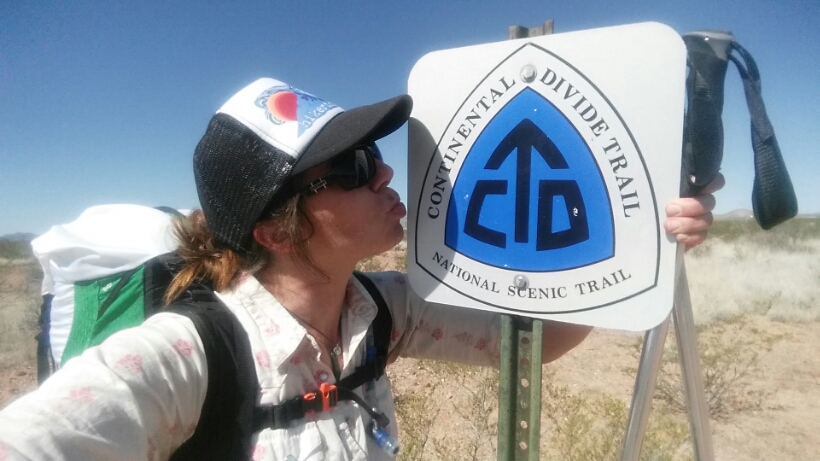


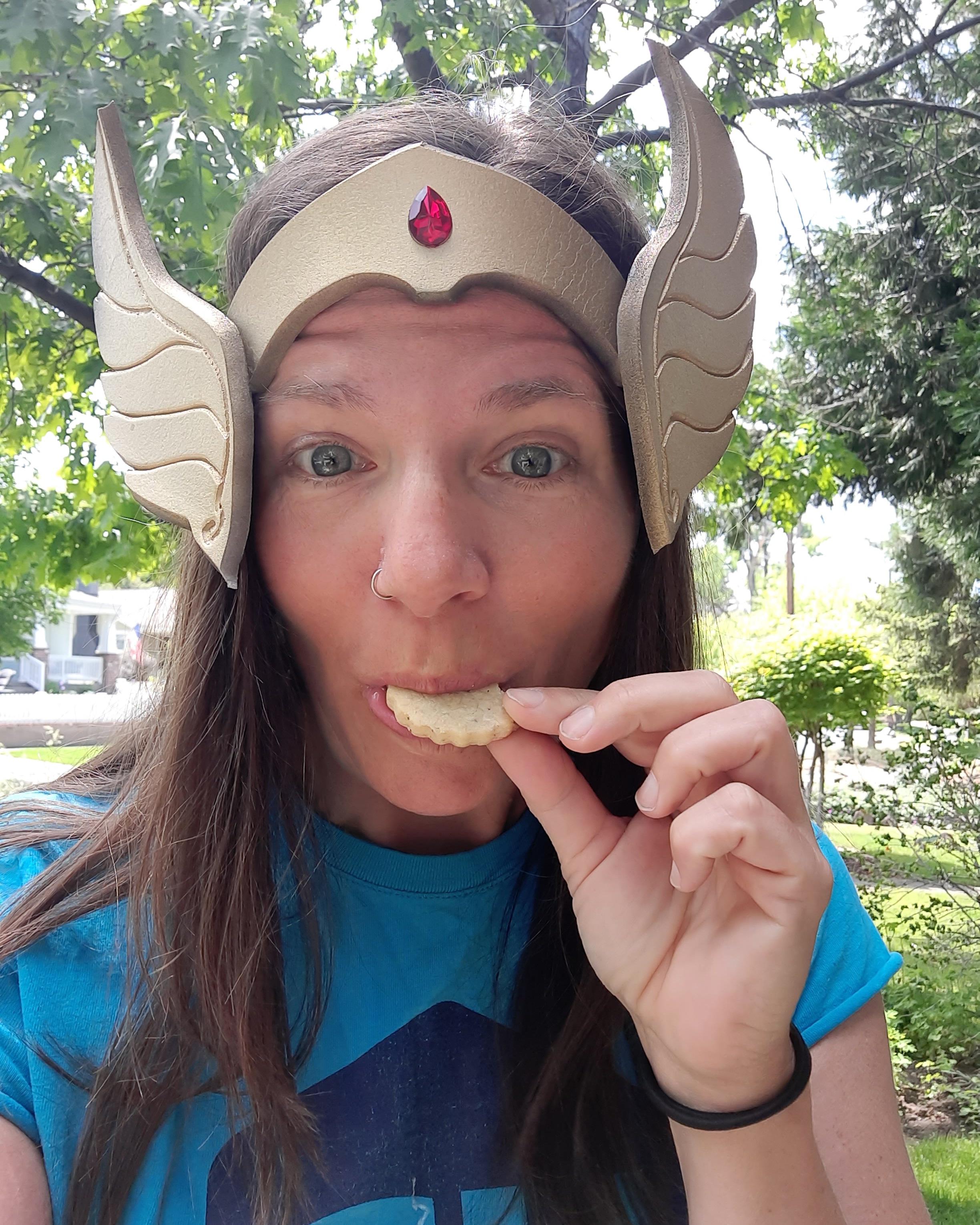
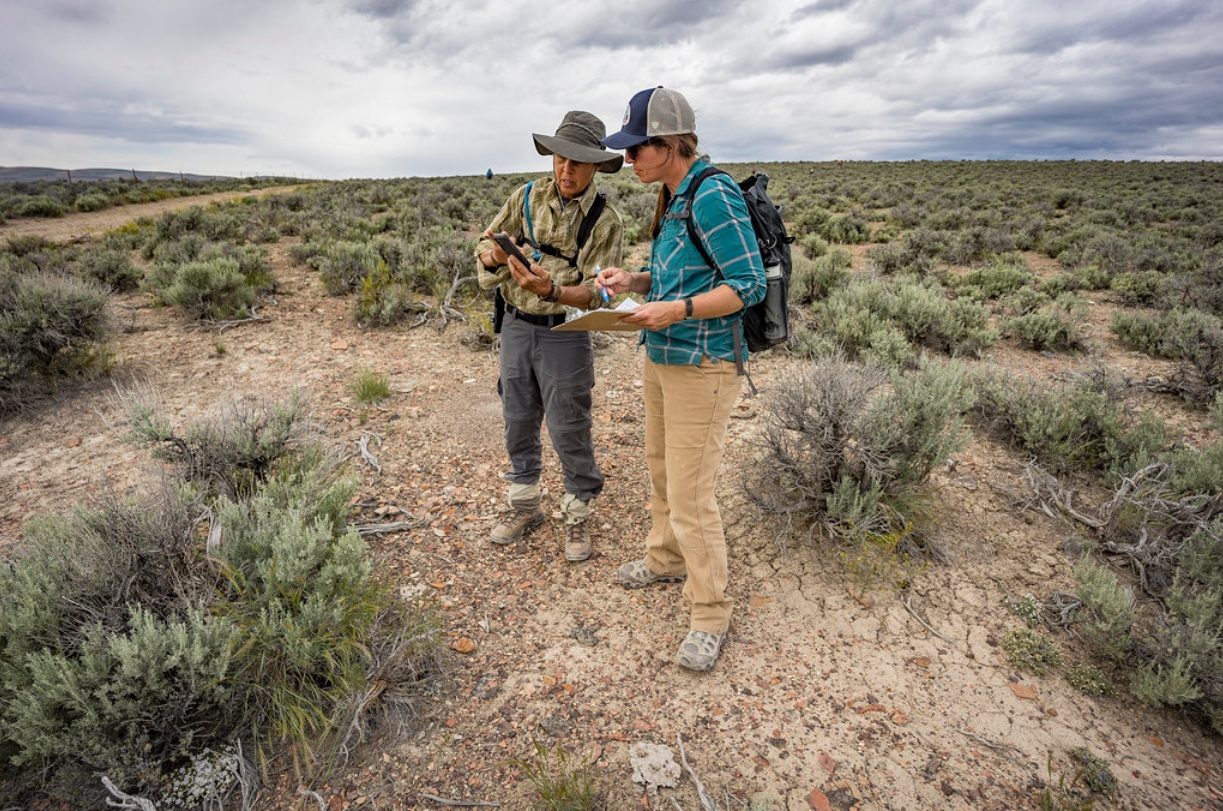


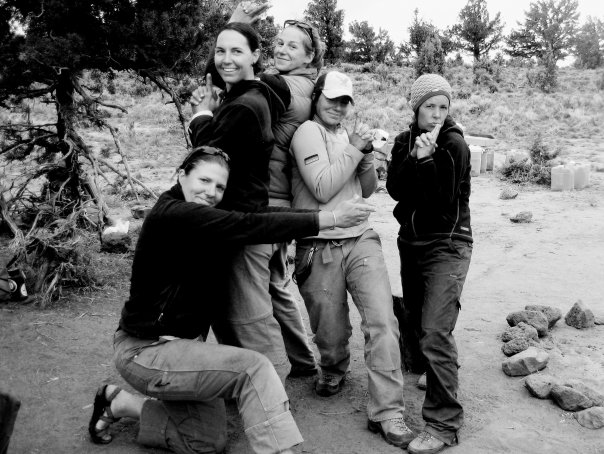

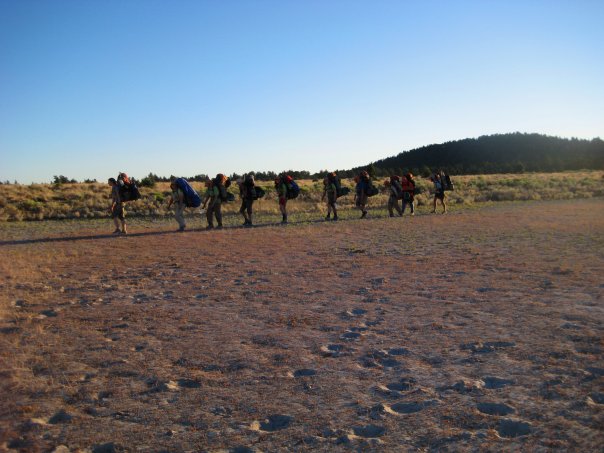
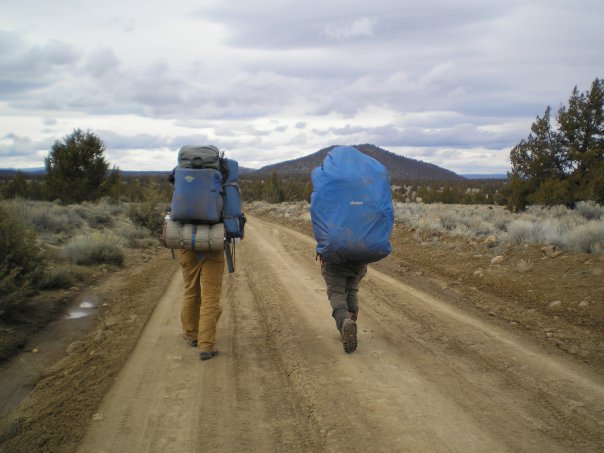

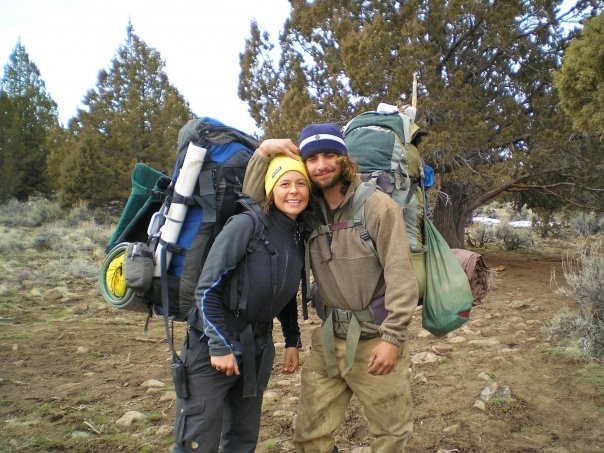


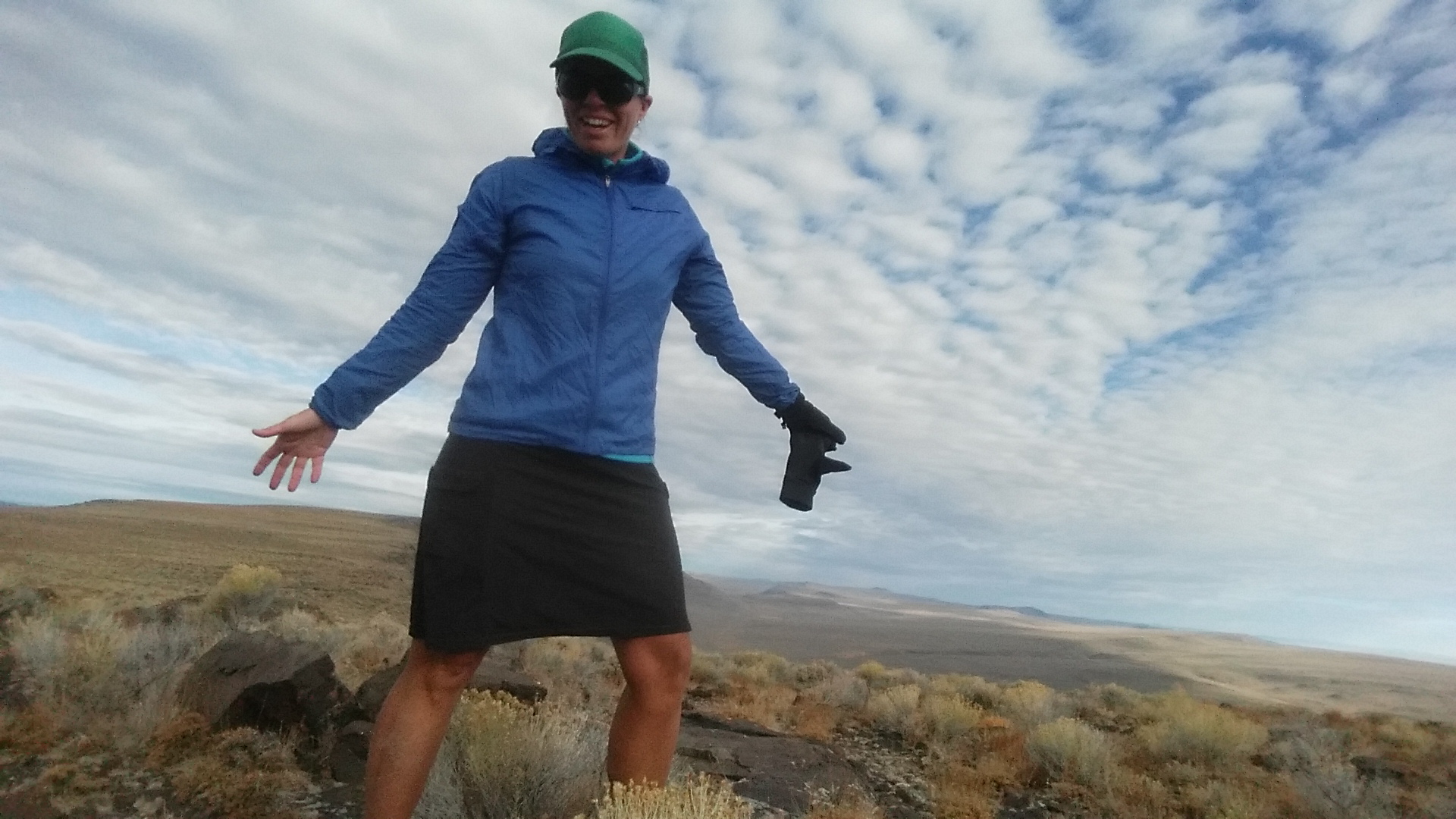

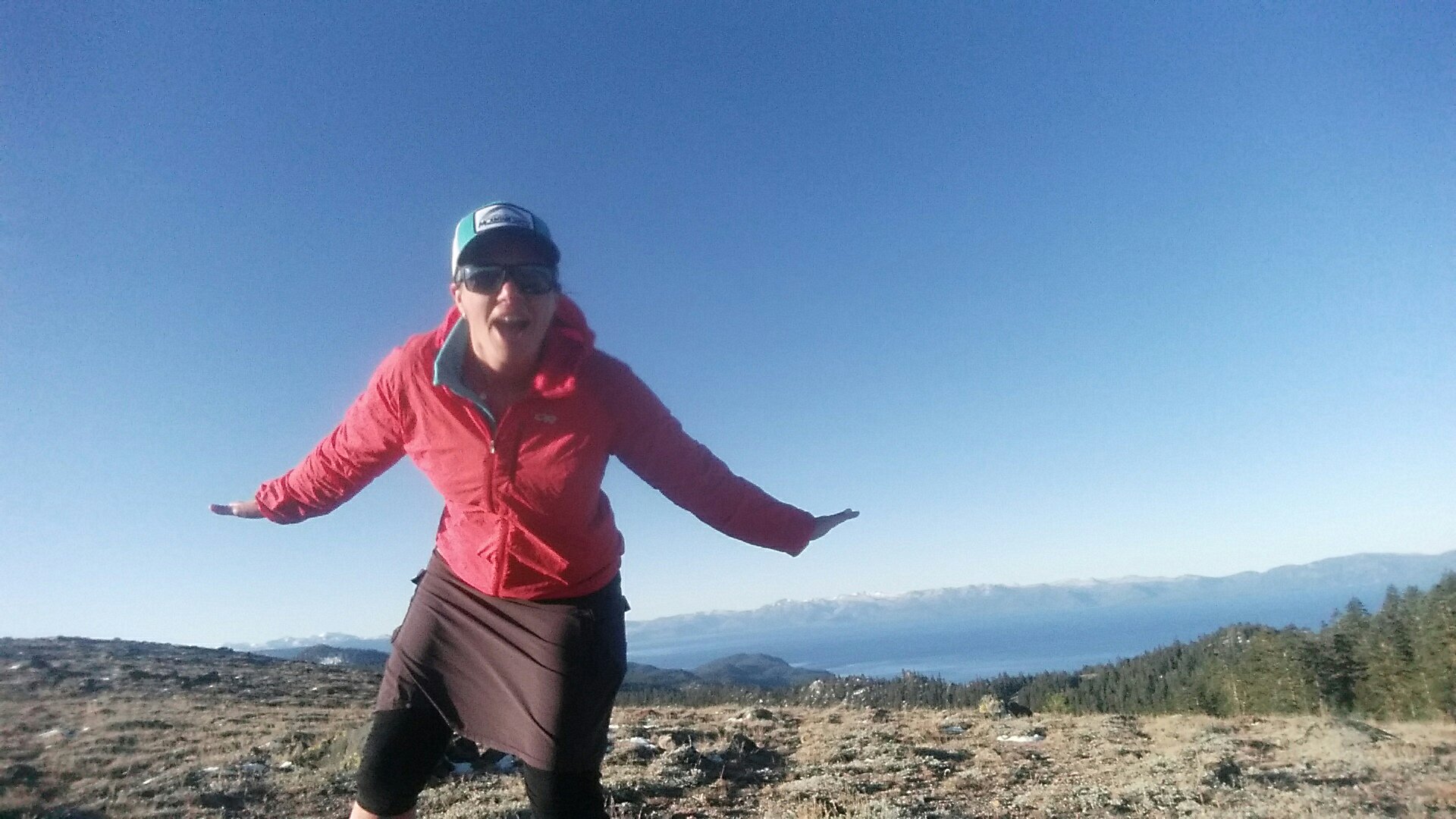

 She-ra Hikes