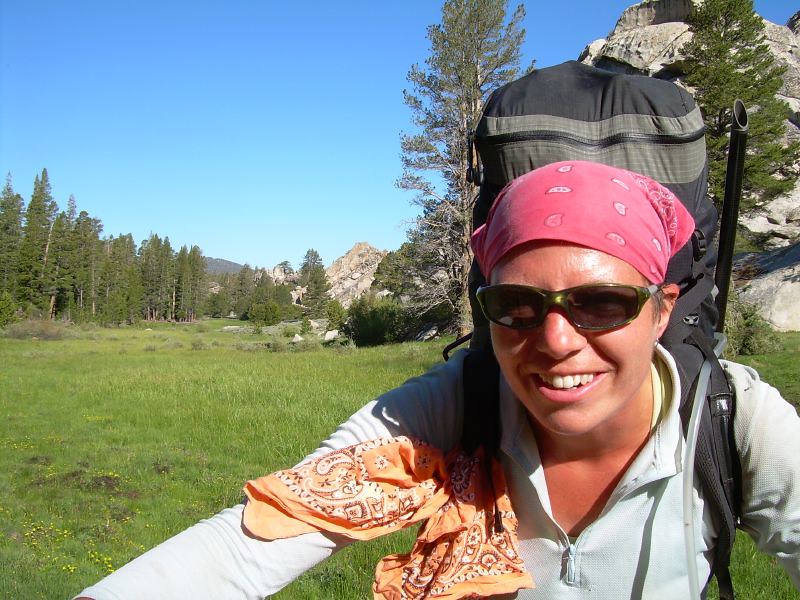
Survival of the Kindest

The most illuminating aspect of spending decades of my life walking across the world has been welcoming a shared experience with strangers in far-flung places.
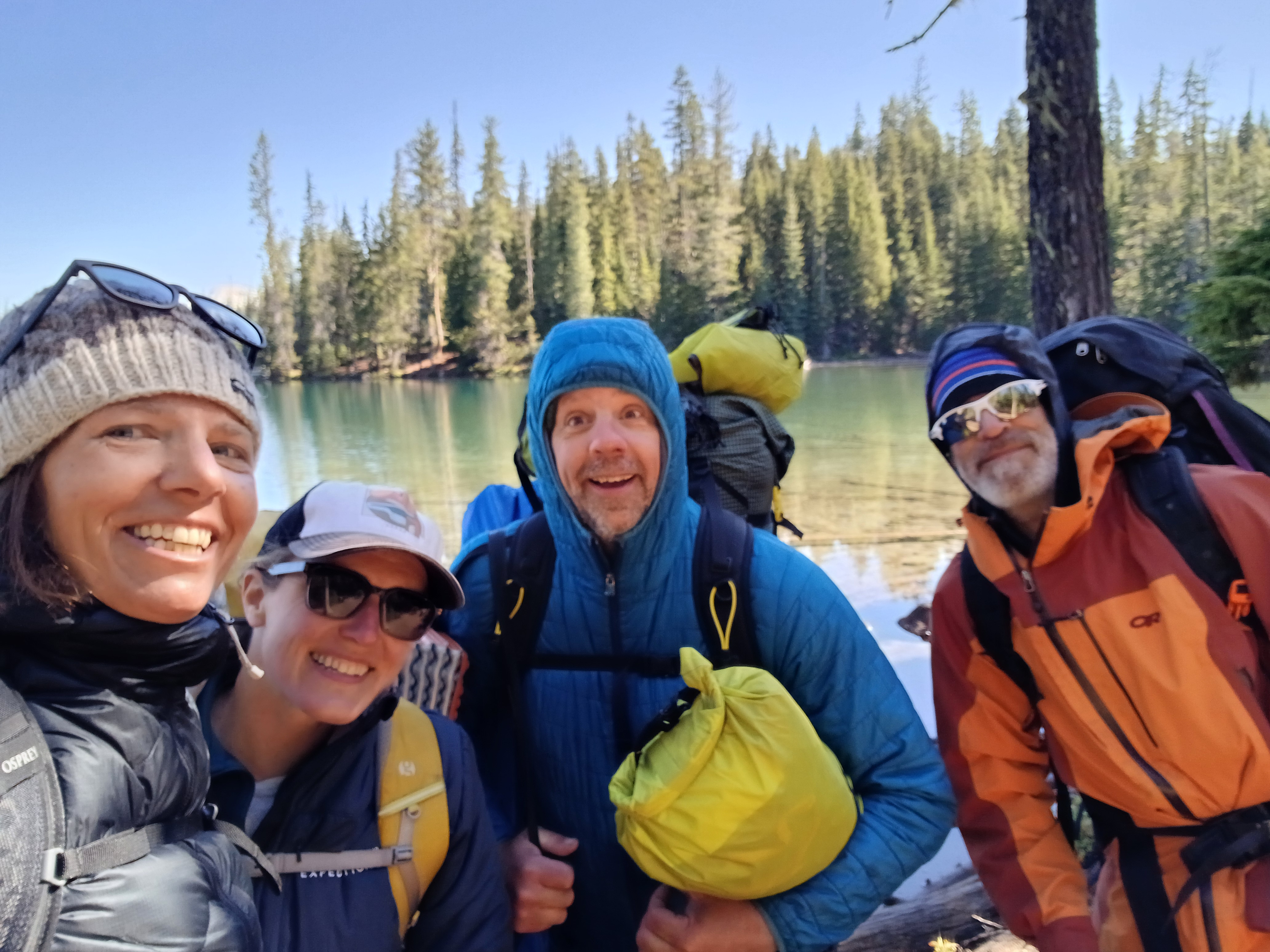
Kindness personified…in all these peeps!

When I met Jesse on the Oregon Desert Trail, I could only see an angry rancher with a gun on the front seat of his pick-up until we started talking about the wonders of nearby Orejana Canyon, and we both turned soft and pleasant. Sue and Don rolled up an impossibly rocky road in their ATV while I was deep in the Superstition Mountains on the Arizona Trail; I started my internal grumble at having my pleasant morning interrupted by a noisy gas engine when they offered me a cold drink and fawned over my efforts. And then there was the time I met another Renee – we were both curious about the other: one, a world traveling solo female hiker meeting another: a former nuclear engineer on the remote Lemhi Pass along the Continental Divide Trail.

It all comes down to curiosity and kindness.

I have been offered more cold water, cold beers, and cold sodas by strangers than by my closest friends and family, and that makes me very happy. That gives me hope. That with face-to-face interactions: my humanity looking at your humanity, me in my dirty pee-stained legs talking with you in your fabric-softened jeans, we can laugh together, trade stories together, and marvel at unexpected connections.

I love strangers. Especially strangers I meet when we both have something to give each other: respect.

I am happy to report that my reliance on the world to keep me buoyed in optimism and hope began long before the cancer started. It began when I started traveling.

Even back in my first days in Zogore when I was the first health education Peace Corps volunteer to live in the subsistence farming community, not to mention the first foreigner, the curious and friendly welcome of the villagers instantly broke the initial barriers of language and culture in that sub-Saharan African community. Sometimes that looked like bored teenagers sitting in the shade with me while I waited for the shuttered health clinic to reopen after lunch. The head nurse, Adama, was supposed to return in the afternoons to reopen the clinic, but sometimes he didn’t. I taught the boys UNO – they taught me how to cheat. We drank millet beer out of calabashes and swatted flies as we waited the long wait.

I believe in survival of the kindest. Not survival of the fittest, which has been misattributed to Darwin for many long years. In Darwin’s first book about humans, The Descent of Man, and Selection In Relation to Sex, Darwin argued for, “the greater strength of the social or maternal instincts than that of any other instinct or motive.”

Survival of the kindest.

Why is it that kindness and connection can be easier to find away from home, when you are raw and vulnerable, or bewildered and in need?

Is that why I was transfixed by the United airlines in-flight entertainment when I started watching the Pole to Pole TV show recently?

In the first episode, I became enthralled when I saw Will Smith find a sincere connection to another human. (You must be thinking here: “Is she really referencing Will Smith twice in recent blog posts? Yes. Yes I am.) Talking about depression will do that for you, especially when each and every one of us has experienced its heavy pull before. Will was talking to professional rugby player – turned polar explorer, Richard Parks, in a tent after they traveled on skis over Antarctic ice. The camera zoomed in when both men became teary-eyed. Richard was explaining how he broke his shoulder during a rugby game, and when he couldn’t play anymore, he floundered with an identity that didn’t apply anymore (sound familiar??). Will…well in his case, you probably know about the slap heard round the world and his accompanying fall from grace.

“When you are the center of the storm, the key is to keep moving through it,” Richard said. “We need to be willing to step into the unknown.”

And suddenly I sat up in my cramped airline seat. His words echoed how I’ve been thinking about living a life with cancer. Wait, even before then… even when I didn’t know how to deal with the countless cases of malaria, AIDS, and Guinea Worm in Burkina Faso, especially when the village nurse didn’t come back to work.

I pressed play on the next episode. The next leg of Will’s journey took him to the Amazon to meet snake expert Bryan Fry. Bryan and Will were trying to find a large Anaconda and learn about indigenous ways of life when something slid into place in my brain: If you add our assured mortality to the qualities of curiosity and kindness, meditations on death really rounded out my new way of understanding the world:

We are all curious. We all benefit from kindness. We all die.

Bryan had spinal meningitis as a kid, and when he didn’t die, he decided to devote his life to finding venomous animals that might provide new cures to diseases like his. His purpose and curiosity drove him into deep caves and jungles to find the elusive toxins. I watched as Will and Bryan’s eyes welled with tears in the conversation. Did this TV show mean to reveal what happens when people are vulnerable with each other?

In order to find the really big snake, the two visit Waorani elder Penti Baihua. The Waorani live very close to nature, with very little between their skin, the jungle, and their way of life. It turns out the snake, and in turn the tribe, is threatened by oil drilling. The drilling portends the death of an ecosystem, and Penti then says, “When I walk the jungle is when I feel most free.” Haven’t I said the very same thing? Just without the jungle part?

There are connections here that I’m just starting to pull on with this blog post. If I pull too hard, I’m going to have to write a book about it, so I’ll just outline some things that are jumping out at me.

Documenting this very scene in the TV show and discussing the Waorani’s fight to save their home, even highlighting the activism and political mobilization they are engaged in, is the essence of what I’ve begun to mull over…I call it creative activism. Creative activism is using our particular talents (like the expertise of the National Geographic storytellers and camera people) to help communicate dire social or environmental problems to the world in order to activate others’ curiosity and kindness when faced with death.

What is my part to play as a creative activist? Could it be writing this very blog? For another creative activist I admire, check out Jeremy Collins’ book Eventually a Sequoia.

Ok, before I get too meta about it, I’m going to rein it in and go back to what I learned on the airplane.

Will Smith goes to the Himalayas and meets some strangers to talk about finding happiness (turns out, happiness doesn’t necessarily involve going to this gorgeous mountain range, but, I mean, it doesn’t hurt, right?)

It immediately becomes apparent that in those experts’ eyes, happiness is closely tied to experiencing death. The guide narrowly escaped dying in a car crash. Another had a brother who got advanced cancer. Will? A death of ego.

These folks hiked up to a remote monastery to speak with a Buddhist monk who said, “When you turn your full attention to death, you understand what is important and what is not.”

Will went on to extrapolate, “Staring at death introduces you to freedom.”

Chills.

It’s as if everything I’ve been thinking and processing over this past 18 months now has been summed up in this show. In fact, almost everything I’ve been thinking and living is also outlined here.

The courage to follow curiosity.

How can I be happy versus how can we be happy?

Freedom through movement.

Who are we when we react to death?
I Didn’t Join the Peace Corps for Nothing

All the turmoil in the world and in my body has me asking again and again: What can I do? What in the world can I do to make it stop, or fix it, or support others who are hurt?

It’s probably no surprise that I’ve been spending more time on Substack lately since stepping away from other social media platforms, and this post caught my attention, so I had to add to it:

The uncertainty. 

It always comes back to the uncertainty. Can we be ok with it? Will accepting the uncertainty make everything more bearable?

I used to think so. I used to be sure that I could adapt to whatever came my way. One of my favorite bits from the poem The Waking by Theodore Roethke goes:

This shaking keeps me steady. I should know. 
What falls away is always. And is near. 
I wake to sleep and take my waking slow. 
I learn by going where I have to go.

I would repeat these lines to myself when in my village in West Africa, stunned by my decision to live in a country where my do-gooder desire to “change the world” met with reality. I repeated the lines after my first big heartbreak when the guy I had moved to London to be with broke up with me and I was left living in a massive city where I didn’t know anyone. I repeated the lines when I fell in love with thru-hiking and didn’t know how to make that transformative experience last.

But somehow, the shaking this past year has me reeling in a way that I haven’t experienced before. I’ve discovered that I can’t tough it out, muscle through it, or ignore it like I might have done in other situations. BUT I have experienced something this past week that helps: genuine human connection. 

My blog post last week was filled with uncertainty about my body, about what was going wrong, about trusting myself to understand the pain, and get to the root cause of it all. But when I uploaded the post and made doubts and fears public, what I did was let others see my vulnerability (scary!), and several of you responded in ways that helped me tremendously. I felt seen. I felt understood. I was taken seriously. 

And I think that is the answer.

For all the problems with the healthcare system (and the world), a simple fact remains that a small group of people who are willing to listen to you, hear you, and genuinely want to help, can have a profound effect. 

What happened? On Friday my physical therapist assured me that she would help me find the right kind of help. On Tuesday a former trail work volunteer of mine, who is also a retired physiatrist, took a look at my scan and assured me that help was possible. Throughout the week many of you responded with things that have helped you through similar situations of self-doubt and uncertainty. I feel seen, and know that care and connection is one of the most beautiful, human, and inspiring things you can do for another person. 

What is the point of this life if we don’t try to alleviate the suffering of those around us? Can helping to alleviate suffering be the answer to all of it? 

I think the real power is taking it one step further: what if we all actively worked to bring out the best in other people?

I’m a member of a creative freelancing group. We meet every other week on zoom and share struggles and tips for how to navigate the life of a creative freelancer. I’m still taking part even though I haven’t been working since my cancer diagnosis because the ladies are awesome. One of the items we’ve been designing for ourselves this year is a creativity bingo card (google it! you will find a ton of interesting results). I put one together with things on it like: buy myself flowers, go to coffee with someone new, and move at least 10 minutes every day. But the one that has blown everything out of the water so far has been: do acts of random kindness. 

I was getting a coffee from a local place this week, and noticed a lovely tattoo on the barista’s arm. I complimented her on it, and her response was a beautiful smile that literally beamed back at me. As I was waiting for the coffee, I turned to see a man at one of the tables wearing a shiny gold puffy coat. I told him I loved it, and that the sun filtering through the window on it brightened the place up. And he beamed! He started talking and couldn’t get the words out fast enough because I had shown interest in him. It was an amazing experience, and I walked away thinking this is it! We need to see people, acknowledge them, listen to them, recognize their humanity, and in doing so, we can start to bring out the best in people. 

On that vein, I have a show recommendation for all of you: Queer Eye. It will restore your faith in humanity. I promise. (Season 10 just dropped!) Every time I feel depressed, I put on an episode, usually cry a bit, and feel immensely better. The fab five really do bring the best out in people.

So I’m going continue with random acts of kindness, even when I fill my bingo card, and try to really see people, and try to bring the best out in those around me. 

I think that’s a way I can help change the world.

Choose Joy

Finding joy on the PCT was part of why I kept hiking and made it my career.

Maybe I’ve been going about this year all wrong. Ok, I’m going to backtrack a bit…I don’t think I’ve done it all wrong, there have been a lot of beautiful moments, like when Amber opened up her house to us to have an exuberant birthday party with about fifty wonderful souls who rallied around me even when I spent the day puking. Like when Kirk and I went snorkeling in warm Gulf waters this May, or when I finished the Camino in Spain with two new friends. Is it this book project that’s tethering me to the pain of the year? What if I let that thread go for a while? What if I let the scab grow, which might be faster to do if I’m not picking at it all the time by trying to write too soon?

I’m going to choose joy for a while and see where that leads me.

And yes, that still involves writing, surprise! 

Yesterday, I was working through an exercise from Ursula K. Le Guin’s Steering the Craft book, the one about reading your work aloud and having fun with the sound and play of words, and something blossomed inside. I was writing around a scene on one of my hikes, a day filled with laughter and play, and I kept returning to that story again and again over the day. I wanted to be in it. I wanted to keep that scene fresh in my mind because the feeling was so different than writing about how my radiation has made my lower back perpetually painful and tight, or how a different approach to the tumors that surrounded my brain could have left me with memory loss or cognition problems. I want to think about something else for a while.

The hangover from that joy has been growing. I decided shortly after writing that exercise that I wouldn’t feel guilty about having christmas cookies for breakfast. I did eat a few nuts so that I got the protein that I need while taking my morning medications, but I ate cookies. I ate cookies dipped in whipped cream and I didn’t feel guilty about it at all! I decided to take the rest of the year off from guilt as well. If life is indeed short, what would it feel like to search for and create joy while saying goodbye to guilt? 

Anyone want to give it a try with me? 

Let’s make this a fun experiment…because that’s what I like to do! Let me know how it goes for you: the seeking joy and forgetting guilt for a while part. Perhaps in this next phase of trying to figure out who I am now, I will write about how my experiment is going, and also tell some stories from some of your experiments. When I worked at the publishing company for four years, that time was primarily filled with writing profiles on artists and businesses around town. It wasn’t quite journalism; it was finding what was interesting, compelling, and unique about these community members and sharing that through my writing. What if we do some of that with these stories? 


I’m posting this over at Substack as well where commenting is easier. All my posts are FREE. Just click ‘none’ on the subscription options.

Write from the Scar

In happier times…just a few days ago in fact! At the ONDA Christmas party with Phyllis and Mary, two amazing women.

I’m so tired. Maybe it’s the ghost of the impending anniversaries from December 2024 and learning the truth about my injuries, but what’s my excuse this year? I’m discombobulated. I’m depressed. I’m in pain, and I’m grieving for something. I think it’s for who I used to be.

Yesterday I sunk into the depths of a dispair that I didn’t know existed, but today I woke up determined to have a better day. That looks like standing up without bracing for the rushing pain of low blood pressure in my head and shoulders, and instead slowly moving through it, anticipating the other side of the dizzyness, not getting derailed by the dizziness. That looks like leaving the house to write at a coffee shop where I can type these sentences with the accountability of being a human in public.

I don’t yet have the words to explain why I dip into these deep chasms of weeping, but when I try to understand, when I type out the sentiment behind the feeling, I can at least distance myself from it enough to see it a bit more objectively. That perspective takes on more weight as I circle around and around the idea of writing a book about my cancer experience. “Write from the scar, not the wound,” author Cheri Kephart said in her workshop, and that makes sense for a book. My book will be written from the scar, but this blog is written from the wound. From the bloody front lines of a life torn apart and knitting itself back together. At times I think I’m healing and toughing up, but yesterday reveals that I’m still raw and bleeding. The wound is tender and sore. 

Bits from this blog may end up in the book, but I imagine the book will look back on this experience from a larger scale (hello fractal, my old friend). It will be putting all the pieces back together as a work of art, with thought and craft and structure… but now I’m still discovering what the pieces are, and what shapes they take. Writing here is sometimes messy, unshaped, uneven, and scattered, but it’s helping me find the pieces far faster than if I were stewing in this malaise and pain without getting it out into the open and letting it breathe. Writing from the wound is completely appropriate to this phase where I’m trying to make sense of what it means to almost die, to get a second chance at life, to confront my limitations in this new body, all within the context of losing my Dad just a few months ago. 

Saw this on Substack and thought it appropriate, is depressed almost the same as stressed? In dessert speak, that is.

In a way, remission has been harder than treatment. At least during the treatment phase, I had a reason for being tired all the time, I had an excuse for staying in bed and not answering my emails. But after? Maybe it’s the scanxiety (the anxiety of the cancer coming back…all to be revealed in my next scans in early January, and every three months after…for the rest of my life) or it could be PTSD from my close brush with death a year ago. Or maybe there is no reason, and it’s just one big pile of shit that threatens to suffocate me each day.

Some days I don’t feel better, and wonder, is this the new normal? Now I’m starting to understand why people give up, why they don’t want to be alive with cancer anymore. But just thinking that thought scares me into thinking that thought will invite it back. If our minds are that powerful, can thinking about it coming back open the door? (proceeds to tear hair out)

Writing here has been such a lifeline; that’s a reason not to tear my hair out. Fun fact: my hair was thinning during the chemo process, but now it’s growing back, and in certain mirrors I catch a glimpse of myself with 2 inch hairs standing up from my part line; it does make me giggle (actually, you can see it in the photo above!). Through writing, I’ve been in conversation with myself and with you, and these connections have been everything. I’m sending out holiday cards this year, and it’s truly overwhelming. I look at the list of people who donated to my go fund me, who sent cards and care packages, who dropped off meals and stopped by for a visit, and there is not enough stationery or stamps to write enough cards. Hundreds of you came through for me this year, and even if you don’t get a card in the mail, please know how important you were and are to me. I’m so rich in friendship, true connection, and love that I know none of this has to be faced alone, even when I feel alone.

So let’s end this blog post on a high note. Thank you for listening. Even if it feels like I am screaming into the void, I know you are listening and care. That helps so much.

The Hard Truth

All of this will end.

As I have experienced the destruction and reconstruction of my body this year, I’ve had to face the hard truth: I will die. My dad died this year. We are all going to die, some sooner than others. 

Writing through my illness has helped me focus on what is left: life. I am still alive, my mom is alive, many of my friends are alive, and even though the world looks different through that lens now, I am still alive, so how am I going to live with the knowledge of death? 

We all have to face this, no matter how much we ignore the simple fact that humans don’t live forever. Add in some other truths: like many other systems around us are on the brink of collapse as well, and the futility of it all easily opens the door to despair. I struggle with it, and I know many of my friends struggle with it too, so when I saw a link to this video, I clicked on it more out of curiosity than out of the expectation of an answer.

I came away electrified. Sarah Wilson had come to the same conclusion that I had with my cancer.

As Sarah said, “I feel more alive and connected than ever before. The urgency of what is going on has forced me into living fully and living fully now.”

Yes. This.

Conveniently, on my “living fully now” list, is the desire to create my own TED talk. I don’t love public speaking, but over the ten years I spent developing the Oregon Desert Trail, I gave at least 100 presentations about the trail and faced my fear of forgetting how to talk in front of crowds of people. I still get sweaty palms, but by speaking in front of strangers, I have been able to build connections and foster curiosity in others, something that compels me to keep going. A TED talk is on another level than speaking at a small library… it could get filmed and posted like Sarah’s was (if I’m lucky), but I’m not going to let that stop me. 

There is something here I want to say, and I’m still figuring out how to say it. The workshops, conferences, and books I’ve immersed myself in the last month are helping me pull memories and insights from the fog of my experiences and throw them into the soupy mess that will become my memoir. I think creating a TED talk will help me solidify my intent while putting pen to paper.

Luckily, the Bend TEDx conference is coming back next year. I will apply, and if chosen, will try out some of the content I’ve been working on for this book project. Deadlines can cause panic, but they can also force action, especially when I’m in the formless shape of an unstructured life. I definitely strive to bring structure to my days, but sometimes that all falls apart and I’m left a puddle on the couch, staring at the wall. 

So if you find yourself staring at the wall too, overwhelmed by the impending collapse of everything we know, it is helpful to ask yourself: 

If this was my last day, last week, last month, what would I want to do? 

And then do one of those things. And write them all down on a list, and do more of those things, and so on and so forth. Before long you may be living fully in the present or maybe you will discover you have already been doing that. What I’m trying to say is, please do those things now instead of waiting to act until the day when everything is perfect…that day may never come. It’s cancer; it’s a climate catastrophe in your city; it’s an authoritarian government that takes your rights away. It almost doesn’t matter what it is. 

Live now. It’s all we have.


Since the commenting has been so buggy lately on this website and an upgrade would be very expensive, I’ve decided to share these posts on my new Substack where commenting will be much easier. So head over there if you want to leave me a message. Note: My substack is free, I am not accepting payments at this time, so feel free to choose “no pledge”.