Cancer Update 2/21

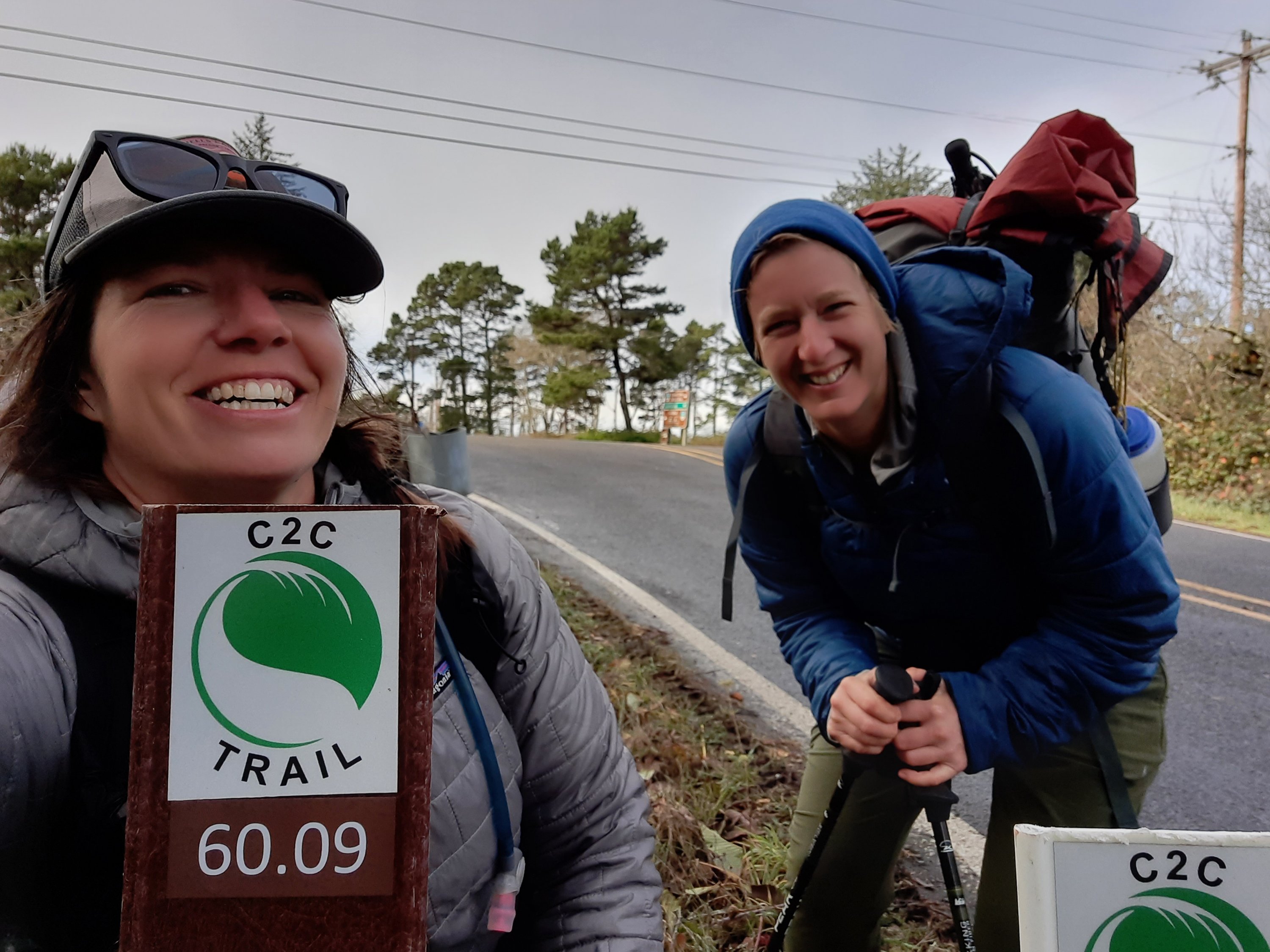
Amber and I hiked the Corvallis to Sea Trail in 2021 when it opened.

I’ve been focusing on sleep for the past few days. Well, my focus is on getting more sleep – whether that is actually happening is debatable. My routine: At about 7 or 8pm I take my evening meds (some of which include sleep aids….much more on medication today, I’ve decided to go into a deep dive on the pills. What am I even taking??). 

I put on my Husco wrist and ankle bands, my over-the-ear-headphones, plug them into my phone, and choose a sound/vibration sequence to fall asleep to. My options include (Wow, I had no idea there were this many until I typed them all out):

  • Stillness – Helps you quiet unwanted noise in your head
  • Relief – Aids inthe  alleviation of pain and discomfort on a physical level
  • Ancestral – Awakens Ancestral memories held in your DNA
  • Integrate – Balances and harmonizes body, mind and spirit
  • Expand – Opens up the mind gate to higher consciousness and meditative states
  • Safety – Allows for comfort and release of fear
  • Calm – Deeply relaxes you so that you sleep soundly and wake up rested
  • Heal – Relaxes your energy centers and releases built-up anxiety
  • Serenity – Quiets the mind so that you remain completely awake and sharply aware
  • Regulate – Helps bring body systems back into balance after trauma, shock or stress
  • Vitality – Revitalizes what has been depleted in body mind or spirit
  • Peace – Creates calm in the midst of chaos and agitation
  • Ground – Brings you back into your body and anchors your energy to the earth
  • Tranquility – Soothes jangled nerves, transforming anger and frustration into inner stillness
  • Focus – Allows for easier access to problem-solving and synthesis of new material
  • Comfort – Gently washes away worry and soothes emotional grief states
  • Mystica – Reawakens magic and reconnects to primal memory
  • Release – Facilitates access to memories and resolution of deep-rooted issues
  • Harmonize – Synchronizes what is out of sync in body, mind or spirit
  • Clarity – Uncluttered the mind, quiets random thoughts and opens the door to inspiration
  • Free – Transcends feelings of entrapment and helplessness
  • Renew – Resources what is out of balance due to illness, stress or trauma
  • Oceana – Facilitates connection to life’s mystery and your fluid nature
  • Elevate – Frees your mind and spirit to soar
  • Opening – Increases mental perception and expands the body’s energy centers
  • Create – Stimulates and expands the creative flow 
  • Rejuvenate – Stimulates the life force to enable cell repair and regeneration
  • Soothe – Reduces fear and anxious thoughts
  • Bliss – Opens the heart and mind to love and well-being
  • Awake – Brings body and mind back to a state of alertness
  • Transcend – Opens the mind to realities beyond the collective consciousness
  • Balance – Harmonizes yin (feminine) and yang (masculine) energies to create a sense of equilibrium
  • Nurture – Connects you to feelings of safety and warmth, generating a sense of support and well-being
  • Relax – Alleviates extreme stress and anxiety while deeply relaxing mind and body

It has become a ritual to get ready for bed this way:

  • I get all snug under the covers, 
  • sometimes put my bed into zero-gravity mode (feet above head – I play with the sleep settings quite a bit, but I do like my legs elevated most nights), 
  • take my neck brace off, 
  • fluff a down pillow behind my head, 
  • lay back, 
  • put on the earphones, 
  • Cover my eyes with a lavender-sented eye pillow that Carrie made for me years ago, 
  • turn off the lights, 
  • And pick one of the vibration experiences to start with. I usually choose a 30-minute sequence and often fall asleep before it finishes. Everyone once in a while I stay away through the full session and will pick another. 

About two hours later my bladder wakes me up. I have a new pee-device that I can use when I wake up! This is a new addition to my cart this week. It fairs much better with my middle-of-the-night aim than the psytle did.

About this time I tend to hop on a device and scroll for a while (I know, I know…big that’s a big no-no for sleep interruption), then I’ll queue up a podcast or two, swap my over-the-ear headphones for some earbuds and sink back into the bed to have someone talk at me for the next hour or two. Often I’ll fall asleep, but sometimes I hang in there and listen to the episodes. 

That might take me to midnight or 1am. After talking with one of my docs last week I decided to play with sleep meds this week. I’ve been deferring my 10mg of melatonin for a few hours, and instead of taking it at 7pm will take it one of the first few times I wake up. So far I haven’t noticed that helps much. 

Sometimes I take a THC/CBD gummy. I’ve been trying the Bend Mission Farms Rest CBD Gummies with Nano CBD, but tonight as I was looking at the sugar content (I’ve really been trying to avoid sugars…they make me bloat up and I have been feeling better if I avoid too much of the stuff) I ordered the Full Spectrum Max Rest CBD Oil – 2000mg CBD, 1 fl oz, Orange Lavender Spice to try out. So we’ll see if that makes a difference.

I know my meds are messing with my natural rhythms quite a bit, that’s why I want to do a deep dive into all of them tonight. But to be honest, I wasn’t sleeping well for MONTHS before my diagnosis. I was quite haggard, and my neck was a real problem.

Well, my ribs were too. Laying myself down and then sitting up last fall was a major chore. When I needed to set up I would roll over to my left shoulder and brace my arms on the wall (my bed was close enough to the wall that I could get some traction on it), I would brace my legs off the left side of the bed, and squeeze my abs enough so that I could evenly transfer the weight between my arms/shoulders, abs, and legs to lift myself to a sitting position. It didn’t always work out well and I might get a spasm out of the movements. Then I would scoot myself to the end of the bed to brace my legs again and hang onto the wall to stand up. I’m glad it’s not that much of a production anymore. The pain in my neck and back prevented me from getting good sleep pretty much up until my surgery in December. 

And I haven’t even told you about my pillow fiascos! As you may remember, part of my thinking this past fall was that I was sleeping on my neck wrong, and perhaps everything could be solved if I could just find the right pillow to make things write. I started with a TEMPUR-Cloud Adjustable Pillow. It had removal filling so I could try and move the material around to find just the right scoop of the neck so that the meat of my head would rest a little lower than my neck…I spent alot of time looking into the placement of the neck and shoulders into alignment when I was sleeping. I am usually a side sleeper too (both sides please)! But with my intercostal injuries, I couldn’t lay on my left side; and on infrequent occasions, I would be able to find comfort sleeping on my right shoulder for a few hours before inevitably returning to my back position. 

The problem with the Tempur pillow was that I was the one doing the adjusting and scooping out of filling. I had Kirk take a tape measure to my back to see if I could work on getting that alignment right, but I just didn’t trust that my efforts were working, and my neck still hurt, so I quickly abandoned that. 

I had been seeing a Physical Therapist during this time, so I talked about pillow placement with them and ended up buying a version they sold at the clinic to try out. I figured they knew, right? 

It ended up looking something like this:

I slept ok on it for a while, but by the middle of the night/morning, my shoulders would ache so bad that it would take hours of a heating pad in the morning to ease the pain so that I could feel an inkling of normality. And normality was in short supply this fall. I also think the bed we were sleeping on was too soft, and I was sinking into the mattress a bit too much, which was janking up my neck height too. 

We needed a new bed for a long time before this, but putting an investment of a $5,000-$8,000 bed into the budget last fall just wasn’t going to happen. So I continued to suck it up and sleep poorly.

That’s about it for the pillow antics. Again, everything changed when I got to Louisiana and had surgery. My reasons for not sleeping now are less neck pain, than awareness and letting my brain turn on instead of keeping it dark and sluggish in the early morning hours. And maybe some pain.

Back to this week:

The big news is that I have started walking! Soooo, the next phase of cancer-independence has begun! I didn’t rush into it this week. Wednesday was the day, but I started like most of the others with my 6am med cycle.  Kirk made me a coffee, and I putzed around on the computer for a while before deciding to get up. The only thing we had on our agenda that day was a 2:30 blood draw for my genetic testing (finally! I got the blood drawn, and will have another full biopsy next week). 

Mid-morning I asked Kirk to get the walker out. His work buddy Greg gave us a walker to use along with a lot of other medical items that he had on hand for his Mom when she needed them. The walker was brand new, cherry red, and featured a platform where I could carry stuff or sit on should I get to the middle of the room and suddenly get tired.

Walking didn’t feel as weird as I might have thought; I lost count of the weeks I hadn’t been walking, but standing up next to those handlebars felt natural, and the steps came easily. I walked around the house and immediately started tidying things up. Ha, it’s hard not to! 

I toured the house, inspected the fridge, and took a seat in the living room. Very satisfying. Using the walker is key because of its carrying capacity, but I did also take a few short walks without it. I’ll play around with movement for the rest of this week and my PT will come to the house next week and give me some proper exercises to work on. 

So I didn’t really sew my walking oats until yesterday morning (or steam my oat milk). 

I woke shortly after midnight and decided to get up. I loaded up my walker with a few books and headed out into the living room.

Tucked under one of my delicious new wool and cashmere blankets, I finished one of the books my friend Phyllis had loaned me. 

Then I figured it was coffee time, so made my way to the kitchen to make myself an areopress. Mr. President had gifted us with a bunch of different types of dark roast, and my lovely friends Cookie Monster and Purple Rain sent me a big bag of the CDT blend of Triple Crown Coffee too. 

I scooped some coffee into the areopress with a bit of decaf (seems like the right thing to do…. cut down a little bit on my caffeine intake), and put some oat milk into the frother. 

Taking my latte back to my chair I felt that I was returning to a little bit of the life I once led prior to all of this. I’ve always been an early bird…really early. A typical morning last year BEFORE all the sickness would have me waking up at about 4am, I would make a cup of coffee and read/scroll until about 5:30 when I would either get ready for a 6am yoga class down the street at Namaspa, or get ready for a sunrise walk. I would do one or the other every day, and have for years. 

6am yoga is about the best and only time I’ll make my way to the studio. The classes are small, the teachers are friendly familiar faces, and the baptist power flow at 90 degrees is just about the perfect way to wake up. I’ve been going to the 6am class 2-3 times a week since 2011. (I can be a creature of habit, and I credit my yoga habit with a lot of my general fitness.)

My sunrise walks have also been a source of great joy over the years. During the winter I would sometimes turn them into a sunrise ski, and often would meet my friend Marina at the Virgina Meissner snow park for a quick tour around the Tangent Loop. Other times I would head to Swampy snow park by myself and follow the blue diamonds into the woods with my headlamp until enough light would glow around me and I could fully immerse myself in the white world. My morning skis are one of the great joys of life. And they will be again, I know it!

Oh mornings, I love you.

This morning I got out of bed about 2am, went ahead and made myself a coffee, and finished one of my new Atlantic magazines. 

So lets talk meds!

Here is my schedule: 

  • 4am
    • dexamethasone x 2 4mg tablets (steroid)
      • take with food (usually some nuts that I keep in the snack tray on my cart)
  • 6am
    • levETIRAcetam x1 500 mg tablet (anti-seziure med)
    • gabapentin x1 300 mg capsule (nerve and bone paid med)
    • folic acid x1 mg tablet
    • ondansetron x1 8 mg tablet (anti-nausea, usually only days 4-8 after chemo as needed)
      • For days 0-3 after chemo I take a prochlorperazine x 10 mg tablet three times a day as a preventative nausea measure.
    • methadone x1 tablet (long-acting pain reliever)
      • Just last week I started methadone to replace the oxyCODONE I had been taking for months. I could take oxy anywhere from 2-8 hours apart depending on the pain levels I was feeling, but it was all over the place and now I feel much more even by taking methadone twice a day…it evens it all out, and I can always take an oxy for break-out pain as needed.
      • Methadone usually comes with a prescription to Naloxone which can quickly reverse an opioid overdose. 
  • 10am
    • Some kind of laxative like Miralax and/or smooth move tea
  • 12pm
    • gabapentin x1 300 mg capsule (nerve and bone pain med)
    • ondansetron x1 8 mg tablet (anti-nausea, usually only days 4-8 after chemo as needed)
  • 6pm
    • methadone x1 tablet (long-acting pain reliever) 
  • 7pm
    • gabapentin x1 300 mg capsule (nerve and bone pain med)
    • sennosides-docusate sodium x2 (laxative)
    • levETIRAcetam x1 500 mg tablet (anti-seziure med)
    • LORazepam x1 1 mg tablet
    • ondansetron x1 8 mg tablet (anti-nausea, usually only days 4-8 after chemo as needed)
  • middle of night
    • X1 10mg Melatonin or x1 mg Lorazepam (If I don’t take it at 7pm – or THC)
    • this is my new attempt at altering my sleep schedule this week, to take one of the above when I wake up the first or second time.

I set alarms for the above times and have a spreadsheet for each day and time so Kirk and I can check off that I actually took the med. Don’t worry, it’s color-coded.

Alright, lets learn more about these meds!

  • Lorazepam 
    • What is it?
      • Lorazepam belongs to a class of medications called benzodiazepines. It is thought that benzodiazepines work by enhancing the activity of certain neurotransmitters in the brain.
      • Lorazepam is used in adults and children at least 12 years old to treat anxiety disorders.
      • Lorazepam is also used to treat insomnia caused by anxiety or temporary situational stress.
      • Lorazepam is sometimes used to treat nausea and vomiting from cancer treatment and to control agitation caused by alcohol withdrawal.
    • Warning:
      • Lorazepam can slow or stop your breathing, especially if you have recently used an opioid medication, alcohol, or other drugs that can slow your breathing. These effects can be fatal.
    • Things to avoid while taking this med:
      • Do not drink alcohol. Dangerous side effects or death could occur.
      • Avoid driving or hazardous activity until you know how lorazepam will affect you. Dizziness or drowsiness can cause falls, accidents, or severe injuries.
    • Common side effects:
      • dizziness
      • Sedation
      • drowsiness
      • weakness
      • feeling unsteady
  • Dexamethasone 
    • What is it?
      • Dexamethasone is a corticosteroid that prevents the release of substances in the body that cause inflammation.
      • Dexamethasone is used to treat many different inflammatory conditions such as allergic disorders and skin conditions.
    • Warning:
      • You should not use dexamethasone if you have a fungal infection anywhere in your body.
      • Dexamethasone can weaken your immune system, making it easier for you to get an infection or worsening an infection you already have or have recently had.
      • All vaccines may not work as well while you are taking a steroid. Do not receive a “live” vaccine while you are taking this medicine.
      • There are many other diseases that can be affected by steroid use, and many other medicines that can interact with steroids.
    • Things to avoid while taking this med:
      • Avoid being near people who are sick or have infections.
      • Avoid drinking alcohol while you are taking dexamethasone.
      • Do not receive a “live” vaccine while using dexamethasone. The vaccine may not work as well during this time, and may not fully protect you from disease. Live vaccines include measles, mumps, rubella (MMR), polio, rotavirus, typhoid, yellow fever, varicella (chickenpox), and zoster (shingles).
    • Common side effects:
      • fluid retention (swelling in your hands or ankles);
      • increased appetite;
      • mood changes, trouble sleeping;
      • skin rash, bruising or discoloration;
      • acne, increased sweating, increased hair growth;
      • headache, dizziness;
      • nausea, vomiting, upset stomach;
      • changes in your menstrual periods; or
      • changes in the shape or location of body fat (especially in your arms, legs, face, neck, breasts, and waist).
  • LevETIRAcetam 
    • What is it?
      • It is used to treat seizures.
      • I had a few seizures after getting chemo the first time. Could be because of my brain tumors? 
    • Warning:
      • Tell all of your health care providers that you take this medicine (levetiracetam tablets). This includes your doctors, nurses, pharmacists, and dentists.
      • Have blood work checked as you have been told by the doctor. Talk with the doctor.
      • Do not stop taking this medicine (levetiracetam tablets) all of a sudden without calling your doctor. You may have a greater risk of seizures. If you need to stop this drug, you will want to slowly stop it as ordered by your doctor.
      • A very bad reaction called angioedema has happened with this medicine (levetiracetam tablets). Sometimes, this may be life-threatening. Signs may include swelling of the hands, face, lips, eyes, tongue, or throat; trouble breathing; trouble swallowing; or unusual hoarseness. Get medical help right away if you have any of these signs.
      • Tell your doctor if you are pregnant, plan on getting pregnant, or are breast-feeding. You will need to talk about the benefits and risks to you and the baby.
      • This medicine may not work as well during pregnancy. Talk with the doctor.
    • Things to avoid while taking this med:
      • Avoid driving and doing other tasks or actions that call for you to be alert until you see how this medicine (levetiracetam tablets) affects you.
      • Talk with your doctor before you drink alcohol or use other drugs and natural products that slow your actions.
    • Common side effects:
      • Stomach pain or diarrhea.
      • Feeling dizzy, sleepy, tired, or weak.
      • Nose or throat irritation.
      • Trouble sleeping.
      • Headache.
      • Upset stomach or throwing up.
      • Not hungry.
      • Flu-like signs.
  • Gabapentin 
    • What is it?
      • Gabapentin (Neurontin, Gralise, Horizant) is a medicine used to treat partial seizures, nerve pain from shingles and restless leg syndrome. It works on the chemical messengers in your brain and nerves.  Gabapentin is from a group of medicines called anticonvulsants. 
      • Neurontin (gabapentin) is used to treat pain you may have from shingles (postherpetic nerve pain). It is also used with other seizure medicines for partial onset seizures in patients 3 years and older.
    • Warning:
      • Gabapentin can cause life-threatening breathing problems, especially if you already have a breathing disorder or if you use other medicines that can make you drowsy or slow your breathing. Seek emergency medical attention if you have very slow breathing.
      • Some people have thoughts about suicide while taking seizure medicine. Stay alert to changes in your mood or symptoms. Tell your doctor right away if you have any sudden changes in mood or behavior, or thoughts about suicide.
      • Seizures may increase if you stop using gabapentin suddenly. Ask your doctor before stopping the medicine.
      • Do not stop using gabapentin suddenly, even if you feel fine.
    • Things to avoid while taking this med:
      • Avoid driving or hazardous activity until you know how gabapentin will affect you. Dizziness or drowsiness can cause falls, accidents, or severe injuries.
    • Common side effects:
      • fever, chills, sore throat, body aches, tiredness;
      • headache;
      • swelling of your legs and feet;
      • trouble speaking;
      • vision problems, dizziness, drowsiness;
      • tremors, problems with balance or muscle movement; or
      • nausea, vomiting.
  • Folic acid
    • What is it?
      • Folic acid (vitamin B9) is a B vitamin supplement that may be used to prevent and treat folate deficiency (low blood levels of folate) that can cause megaloblastic anemia. Folic acid may also be used to control high levels of homocysteine, prevent serious birth defects in pregnant women or women who think they may be pregnant, and prevent methotrexate-induced folate deficiency in people prescribed methotrexate.
      • Research is ongoing, but folic acid may have other benefits, such as reducing the risk of certain cancers, supporting mood and cognitive function, and possibly reducing the risk of dementia and the development of autism spectrum disorder (ASD).
    • Warning:
      • May increase the risk of seizures in some people with epilepsy receiving phenobarbital, primidone, or diphenylhydantoin.
    • Common side effects:
      • nausea
      • loss of appetite
      • bloating or gas
      • stomach pain
      • bitter or unpleasant taste in your mouth
      • confusion or trouble concentrating
      • sleep problems
      • mood changes, such as depression or excitement
      • impaired judgment.
  • Ondansetron 
    • What is it?
      • Ondansetron blocks the actions of chemicals in the body that can trigger nausea and vomiting.
      • Ondansetron is used to prevent nausea and vomiting that may be caused by surgery, cancer chemotherapy, or radiation treatment.
      • Ondansetron may be used for purposes not listed in this medication guide.
    • Warning:
      • You should not use ondansetron if you are also using apomorphine (Apokyn).
      • You should not use ondansetron if you are allergic to it or to similar medicines such as dolasetron (Anzemet), granisetron (Kytril), or palonosetron (Aloxi).
      • Before taking ondansetron, tell your doctor if you have liver disease, or a personal or family history of Long QT syndrome.
    • Things to avoid while taking this med:
      • Ondansetron may impair your thinking or reactions. Be careful if you drive or do anything that requires you to be alert.
    • Common side effects:
      • diarrhea or constipation;
      • headache;
      • drowsiness; or
      • tired feeling.
  • Prochlorperazine 
    • What is it?
      • It is used to treat anxiety.
      • It is used to treat upset stomach and throwing up.
      • It is used to treat schizophrenia.
      • It may be given to you for other reasons. Talk with the doctor.
    • Warning:
      • Tell your doctor and pharmacist about all of your drugs (prescription or OTC, natural products, vitamins) and health problems. You must check to make sure that it is safe for you to take this medicine (prochlorperazine tablets) with all of your drugs and health problems. Do not start, stop, or change the dose of any drug without checking with your doctor.
      • Have blood work checked as you have been told by the doctor. Talk with the doctor.
      • This medicine may affect certain lab tests. Tell all of your health care providers and lab workers that you take this medicine (prochlorperazine tablets).
      • Dizziness, sleepiness, and feeling less stable may happen with this medicine (prochlorperazine tablets). These may lead to falling, which can cause broken bones or other health problems.
      • Call your doctor right away if you have signs of liver problems like dark urine, feeling tired, not hungry, upset stomach or stomach pain, light-colored stools, throwing up, or yellow skin or eyes.
      • This medicine may cause the results of some pregnancy tests to be wrong. Talk with the doctor.
    • Things to avoid while taking this med:
      • Avoid driving and doing other tasks or actions that call for you to be alert until you see how this medicine (prochlorperazine tablets) affects you.
      • To lower the chance of feeling dizzy or passing out, rise slowly if you have been sitting or lying down. Be careful going up and down stairs.
      • Low blood pressure has happened with drugs like this one. Sometimes, this has been deadly. Talk with the doctor.
      • Talk with your doctor before you drink alcohol or use other drugs and natural products that slow your actions.
      • Be careful in hot weather or while being active. Drink lots of fluids to stop fluid loss.
      • Low white blood cell counts have happened with drugs like this one. This may lead to a higher chance of infection. Rarely, infections have been deadly. Tell your doctor if you have ever had a low white blood cell count. Call your doctor right away if you have signs of infection like fever, chills, or sore throat.
    • Common side effects:
      • Dizziness.
      • Feeling nervous and excitable.
      • Constipation.
      • Dry mouth.
      • Feeling sleepy.
  • Methadone
    • What is it?
      • Methadone is a long-acting opioid medication that is used to reduce withdrawal symptoms in people addicted to heroin or other narcotic drugs, and it can also used as a pain reliever. Methadone is highly regulated medication (Schedule 2 Controlled Substances Act) and when used for OUD is only available through approved opioid treatment programs (OTP) that involves regular monitoring, counseling, and drug testing to make sure that patients are making progress in their recovery.
      • When methadone is used for pain it should only be used for pain that is severe enough to require daily, around-the-clock, long-term opioid treatment when no other treatment options have helped adequately. This medicine is not for use on an as-needed basis for pain.
      • Methadone works by activating the opioid receptors in the brain and nervous system, it is usually taken orally as a liquid or tablet.
    • Warning:
      • You should not use this medicine if you have severe asthma or breathing problems, or a blockage in your stomach or intestines.
      • MISUSE OF METHADONE CAN CAUSE ADDICTION, OVERDOSE, OR DEATH, especially in a child or other person using the medicine without a prescription. Keep the medication in a place where others cannot get to it.
      • Taking opioid medicine during pregnancy may cause life-threatening withdrawal symptoms in the newborn. See below for more information on using this medicine in pregnancy.
      • Fatal side effects can occur if you use opioid medicine with alcohol, or with other drugs that cause drowsiness or slow your breathing.
      • I had to take and EKG test before I was prescribed this med because Methadone may cause a life-threatening heart rhythm disorder. 
    • Things to avoid while taking this med:
      • Do not drink alcohol. Dangerous side effects or death could occur.
      • Avoid driving or hazardous activity until you know how this medicine will affect you. Dizziness or drowsiness can cause falls, accidents, or severe injuries.
      • Grapefruit may interact with this medicine and cause side effects. Avoid consuming grapefruit products.
      • There are many dangerous drug interactions with methadone. Tell your prescribing doctor about all medications that you take. 
    • Common side effects:
      • dizziness, drowsiness;
      • nausea, vomiting;
      • increased sweating; or
      • pain, redness, or swelling where the medicine was injected.
  • OxyCODONE
    • What is it?
      • Oxycodone is an opioid analgesic used to treat moderate to severe pain, it changes how you feel pain by blocking pain signals in your body. Oxycodone works by activating opioid receptors in the nervous system, as it is an opioid agonist. Oxycodone is a prescription medicine used for moderate to severe pain when other pain medicines when do not work well enough, or are not tolerated.
      • Oxycodone can be used as a single-ingredient pain reliever (Oxycontin, Roxicodone) and is also available in combination preparations with acetaminophen (Percocet).
      • Oxycodone is a controlled substance Schedule II, which means it has an accepted medical use but may lead to severe psychological or physical dependence and has a high potential for abuse.
      • This medicine should only be used for an extended period of time if the pain remains severe enough to require an opioid analgesic and other treatment options continue to be inadequate.
    • Warning:
      • You should not stop using this medicine suddenly. Follow your doctor’s instructions about gradually decreasing your dose.
      • Your doctor may recommend you get naloxone (a medicine to reverse an opioid overdose) and keep it with you at all times. A person caring for you can give the naloxone if you stop breathing or don’t wake up. Your caregiver must still get emergency medical help and may need to perform CPR (cardiopulmonary resuscitation) on you while waiting for help to arrive.
    • Things to avoid while taking this med:
      • Do not drink alcohol. Dangerous side effects or death could occur.
      • Avoid driving or operating machinery until you know how this medicine will affect you. Dizziness or severe drowsiness can cause falls or other accidents.
      • Avoid medication errors. Always check the brand and strength of oxycodone you get from the pharmacy.
    • Common side effects:
      • headache, 
      • constipation, 
      • feeling sick (nausea), 
      • feeling sleepy (drowsiness), 
      • dizziness, 
      • tiredness, 
      • stomach pain, 
      • vomiting, 
      • itching, red eyes, or flushing.
  • Sennosides-docusate sodium (over the counter med)
    • What is it?
      • Docusate is a stool softener. Senna is a laxative.
      • Docusate and senna is a combination medicine used to treat occasional constipation.
      • Docusate and senna may also be used for purposes not listed in this medication guide.
    • Common side effects:
      • gas, bloating;
      • diarrhea; or
      • mild nausea.
  • Melatonin (over the counter med)
    • What is it?
      • It is often used to help with jet lag or trouble sleeping and comes as tablets, capsules, an oral liquid and chewable gummies.
      • Melatonin is also a natural hormone your body secretes in response to darkness to help maintain your wake-sleep cycle (also called “biological clock”). The wake-sleep cycle is the process of sleep and wakefulness; in humans this averages 8 hours of nighttime sleep and 16 hours of daytime activity.
      • Natural melatonin levels usually peak between 11PM and 3AM. Nighttime levels are roughly 10 times higher than in the daytime. Levels fall sharply before daylight, and are barely detectable in the daylight hours. The rise and fall in natural levels signal wake and sleep times, known as our circadian rhythm.
      • Shorter periods of natural melatonin production occur in the summer with longer days, and longer periods of production occur in the winter. Light at night (such as from smartphones or the TV) blocks production and can lead to sleep disturbances. Age also lowers nighttime melatonin release, which may contribute to the problem of insomnia and early awakening often seen in older adults.
    • Things to avoid while taking this med:
      • Avoid driving or operating machinery for at least 4 hours after taking melatonin, or until the drowsy effects are no longer present.
      • Avoid using this medication with other prescription medications, over-the-counter drugs, or dietary supplements without asking your doctor, pharmacist or other healthcare provider.
      • Avoid alcohol while taking this medication.
      • Avoid coffee, tea, cola, energy drinks, or other products that contain caffeine, as it may counteract the effects of the melatonin.

That’s it! Well, that’s it for now. My meds have been changing almost weekly, and once we figure out this darn mutation I’m sure the drugs will all change again. We are still probably weeks out from knowing the results, especially since I won’t get my new biopsy until next week, so I stay patient. Or try to.

Today is a good day though! I’m meeting with my Radiation Oncologist to discuss further treating my ribs. I would say 75% of my pain is in the ribs, front, back, top,and  bottom, so any relief I can get there will be amazing.

So that about wraps it up for the day, but friends, I like hearing from you when I post these diatribes.

Would you mind sharing something with me today?

How about one thing you are looking forward to today. That’s today, Friday, February 21. Give me something good. Give me something hopeful. It can be a snuggle with your cat, it can be the first sip of your tea, it can be your morning walk or whatever!